
You unzip your bag at the hotel, reach for the necklace you planned to wear to dinner, and find it knotted into a tight little snarl with two other chains you packed beside it. One earring back has vanished into the lining. A ring you love has a fresh scratch across its band. None of it is catastrophic. All of it is the kind of small, avoidable frustration that makes you wish you had spent five more minutes packing.
Jewelry is among the easiest things to pack badly. It is small, it moves, and the parts that make it beautiful — fine chains, delicate clasps, polished stones — are exactly the parts that suffer in transit. The good news is that almost every problem has a simple, repeatable solution. What follows is the full repertoire: the methods a well-traveled friend would walk you through if you asked her how she keeps her pieces in order.
Why Jewelry Tangles in the First Place
A tangle is not bad luck. It is physics. A necklace chain has two free ends and a great deal of flexibility along its length. Put it in a bag, add the motion of a car, a conveyor belt, and an overhead bin, and the chain folds back on itself again and again. Each fold becomes a loop, each loop catches the clasp or another chain, and by the time you arrive you have a knot that takes a sewing needle and ten minutes of patience to undo.
Two principles solve most of it. First, remove the slack: a chain that cannot move cannot tangle. Second, separate the pieces: jewelry that never touches other jewelry cannot snag on it. Nearly every technique below is a variation on one of these two ideas.
Methods for Necklaces
Here are four ways to keep your necklaces and other jewelry protected and organized using everyday household items.
The Drinking-Straw Method

This is the most reliable trick for a single fine chain, and it costs nothing. Take a plastic drinking straw, thread one end of an unclasped necklace through it, then fasten the clasp around the straw so the chain is held taut along its length. The chain now has no slack to fold into, and it arrives exactly as you packed it. For a longer necklace that runs past the end of the straw, fasten the clasp partway down so the chain doubles back along the outside, or step up to a wider, longer straw of the kind used for smoothies. Paper straws work in a pinch but soften if they get damp, so plastic is the safer choice for travel.
Plastic Wrap and Press-and-Seal Sheets

A sheet of cling film or press-and-seal wrap does the same job for several pieces at once. Lay your necklaces flat on the sheet, spaced apart so they do not overlap, then press a second layer over the top. The wrap grips each chain in place and keeps the pieces from migrating into one another. Once everything is sealed flat, you can fold or roll the sheet down into a compact bundle, which makes it a tidy way to handle a small collection in one pass — useful when you are traveling with more than one or two chains.
Clasp Everything Closed

Whatever else you do, fasten every clasp before packing. A closed clasp turns an open-ended chain into a continuous loop, and a loop has far fewer ways to knot than a length with two loose ends. It takes a few extra seconds per piece and prevents a surprising share of tangles on its own. Pair it with one of the methods above for the best result.
One Piece, One Pouch

The simplest separation strategy is to give each piece its own small soft pouch or bag, so no two items share a space. This keeps chains from finding each other and keeps harder pieces from scratching softer ones. The guiding rule is that pieces should not touch. A ring set with a stone will scratch a gold chain given enough motion; a stiff cuff will dent a thin bangle. Even a layer of tissue between items inside a single compartment helps when you do not have individual pouches to hand.
Earrings, Rings, and the Small Things That Disappear
Earrings lose their backs. It happens in transit and it happens in hotel drawers, and a stud without its back is useless for the trip. The fix is to keep the pair together as a unit. Push both posts through a small piece of card, a felt square, or a spare button, then secure the backs on the other side. The pair travels as one object, nothing comes loose, and you can see at a glance that both halves are present.
Rings need containment and cushioning rather than separation, since they do not tangle but do scratch and roll. A small box, a section of a pill organizer, or a soft roll of fabric keeps them from knocking against harder pieces. If you stack rings, slip a thin layer of tissue between them. The goal is to stop metal from grinding against metal and stones from chipping against anything at all.

For studs, small hoops, and other tiny pieces, a single contained space you can close — a small zip pouch, a tin, a sectioned case — is worth more than any clever folding trick. Loose in a larger bag, small pieces drift to the bottom, slip into linings, and turn up missing; a closed compartment keeps them in one place where you can find them.
Carry-On or Checked: Where Valuable Jewelry Belongs
This one has a firm answer. Fine and expensive jewelry belongs in your carry-on, on your person, never in checked luggage. Checked bags are handled out of your sight, occasionally delayed, and very occasionally lost, and most travel insurance and airline liability policies sharply limit or entirely exclude reimbursement for jewelry in checked baggage. The risk is not worth the saved space.
Keep your valued pieces in a small case within your personal item or carry-on, where they stay with you from check-in to arrival. Costume pieces and everyday items can travel more loosely, but anything you would be genuinely sorry to lose stays close. If you are reviewing what else should and should not go below deck, our guide to what can't go in checked luggage covers the wider list.
Protecting Fine Pieces from Each Other
Scratching is the quiet damage. It does not announce itself the way a tangle does, but a season of careless packing leaves fine pieces dull and marked. The principle is the same one that prevents tangling: keep pieces apart. Hard against soft is the pairing to avoid — a faceted stone against a polished band, a clasp against a smooth chain. Individual pouches solve this completely. Where you cannot separate everything, sort by hardness, keep stones away from soft metals, and let tissue or felt do the buffering. A few minutes of sorting protects the finish that makes a piece worth packing carefully in the first place.
The Care a Small Object Deserves
There is something quietly telling in how a person packs their jewelry. These are not the largest things we carry, nor the most expensive by weight, but they are often the most meaningful: the necklace from a particular person, the ring worn every day, the earrings kept for the trips that matter. To wrap each one with a little attention is to acknowledge that small objects can hold large significance, and that the way we treat what we carry reflects the way we move through the world.
It is a sensibility the Japanese tradition understands well — that care is not fuss but respect, and that protecting a treasured thing is part of valuing it. A few minutes of thought before a trip is rarely about the object alone. It is about arriving with everything intact, ready, and exactly as you intended.
The Artisan Upgrade
Every method here works. The straw, the wrap, the closed clasps, the individual pouches — all of them prevent tangles and damage, and all of them ask you to improvise the same setup before every single trip. There is a simpler path for the things you reach for again and again.

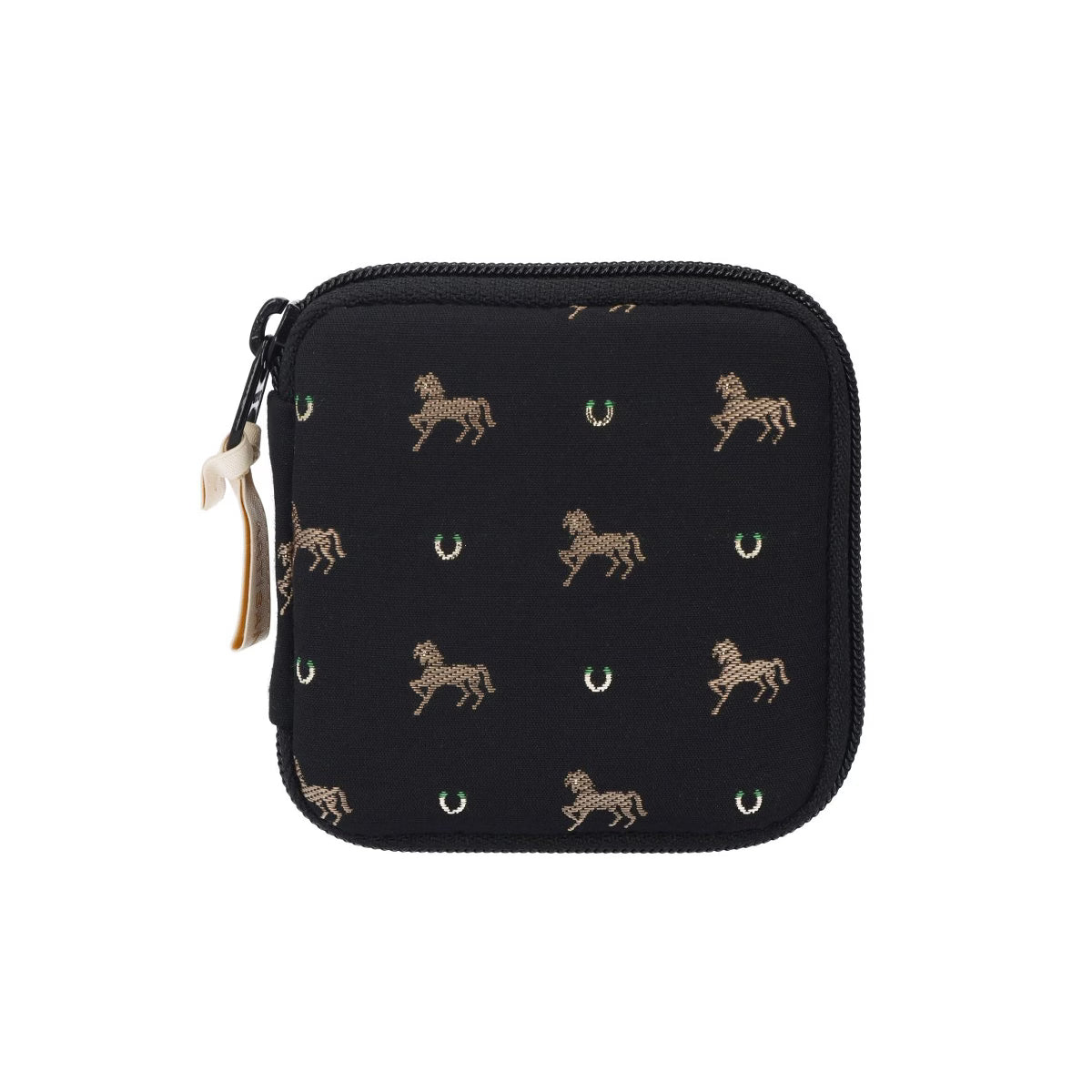
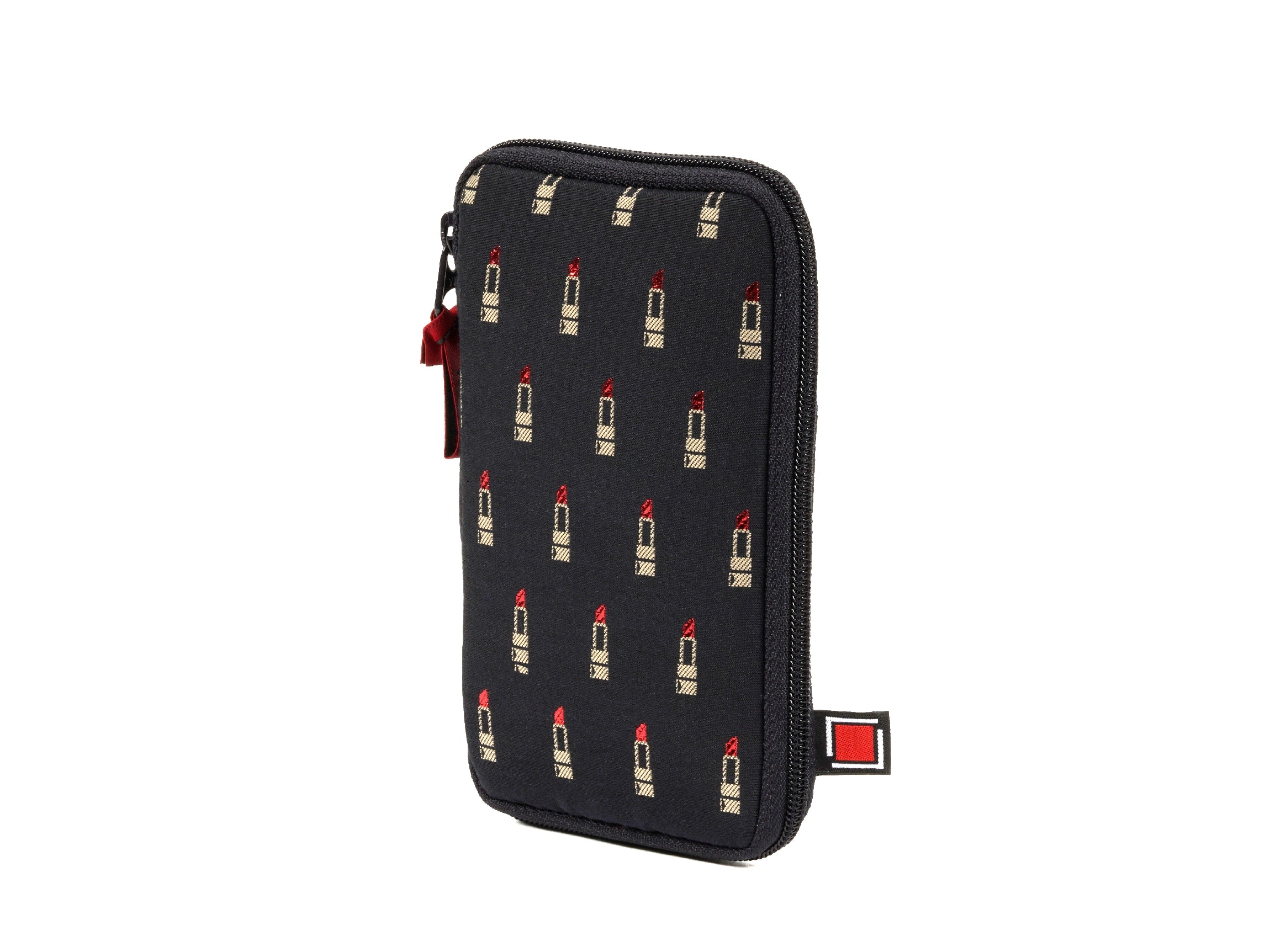
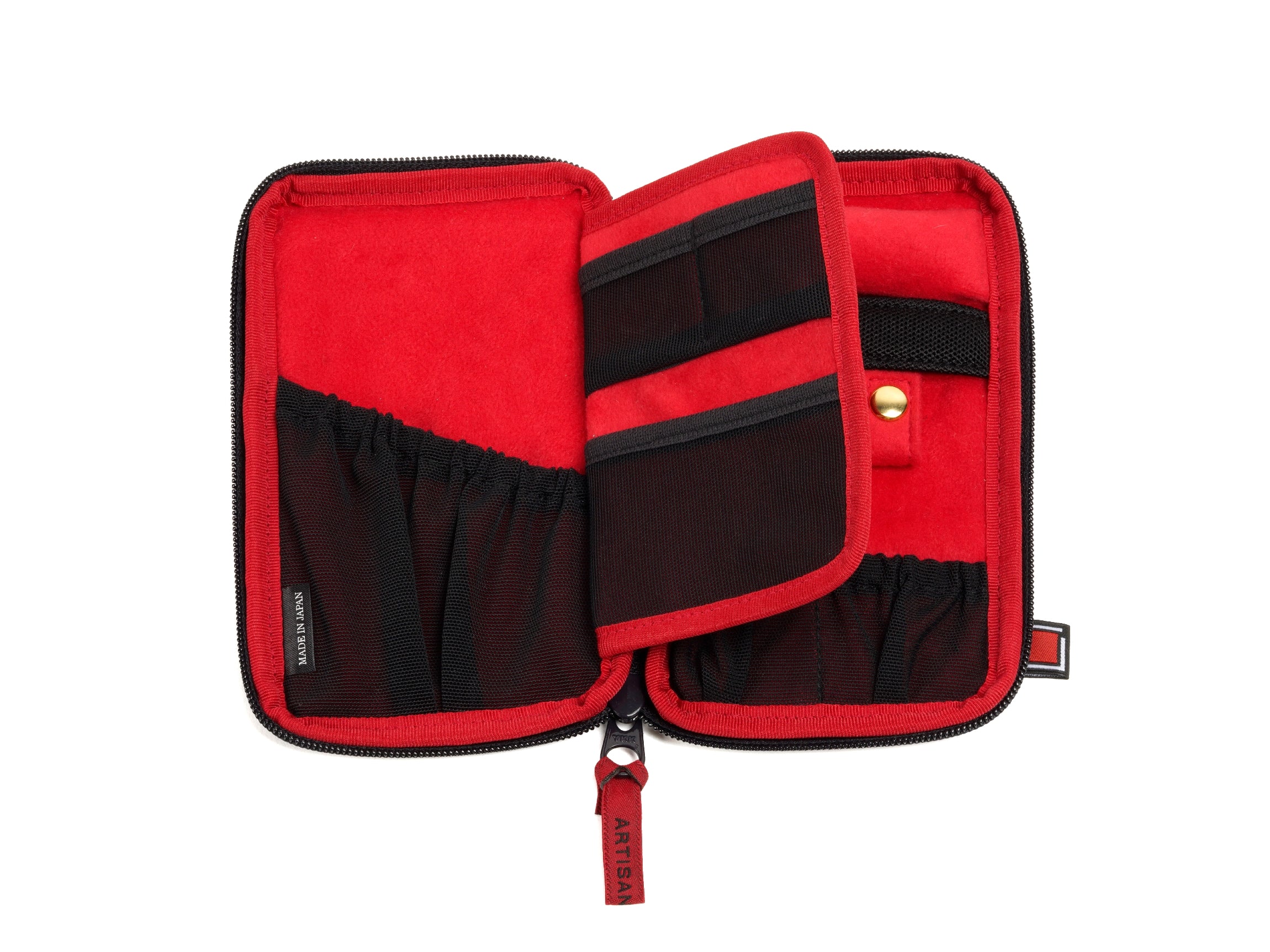
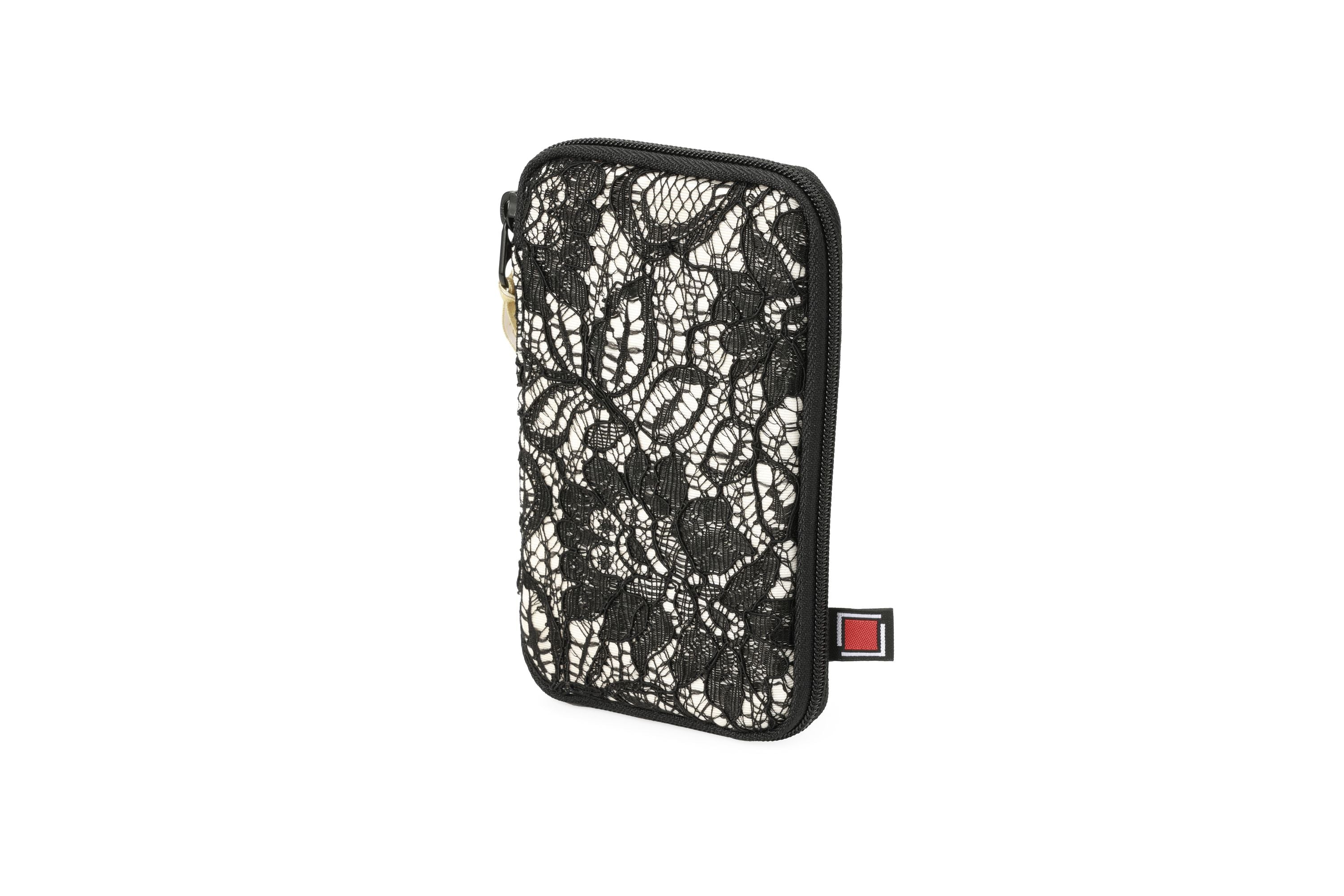
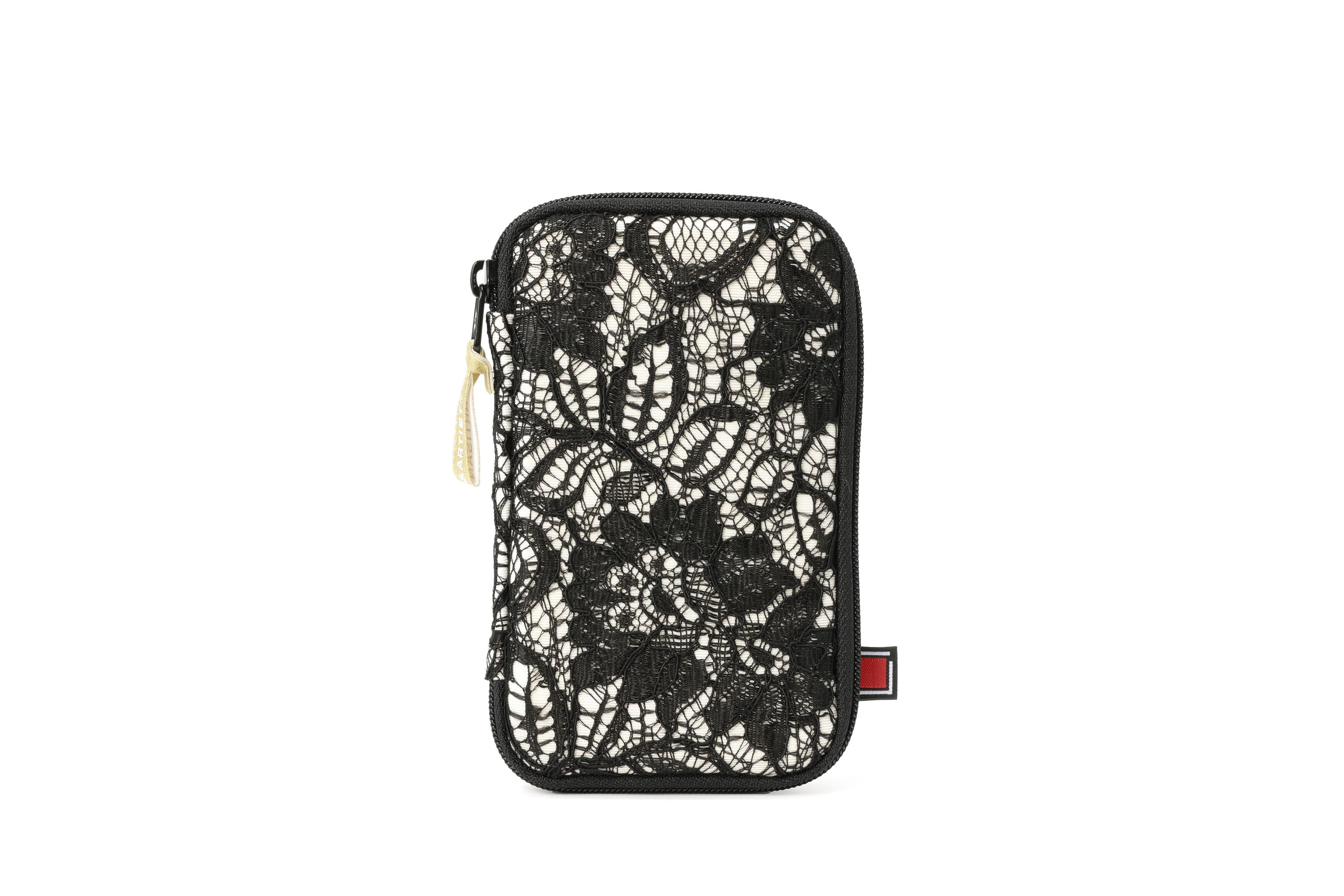
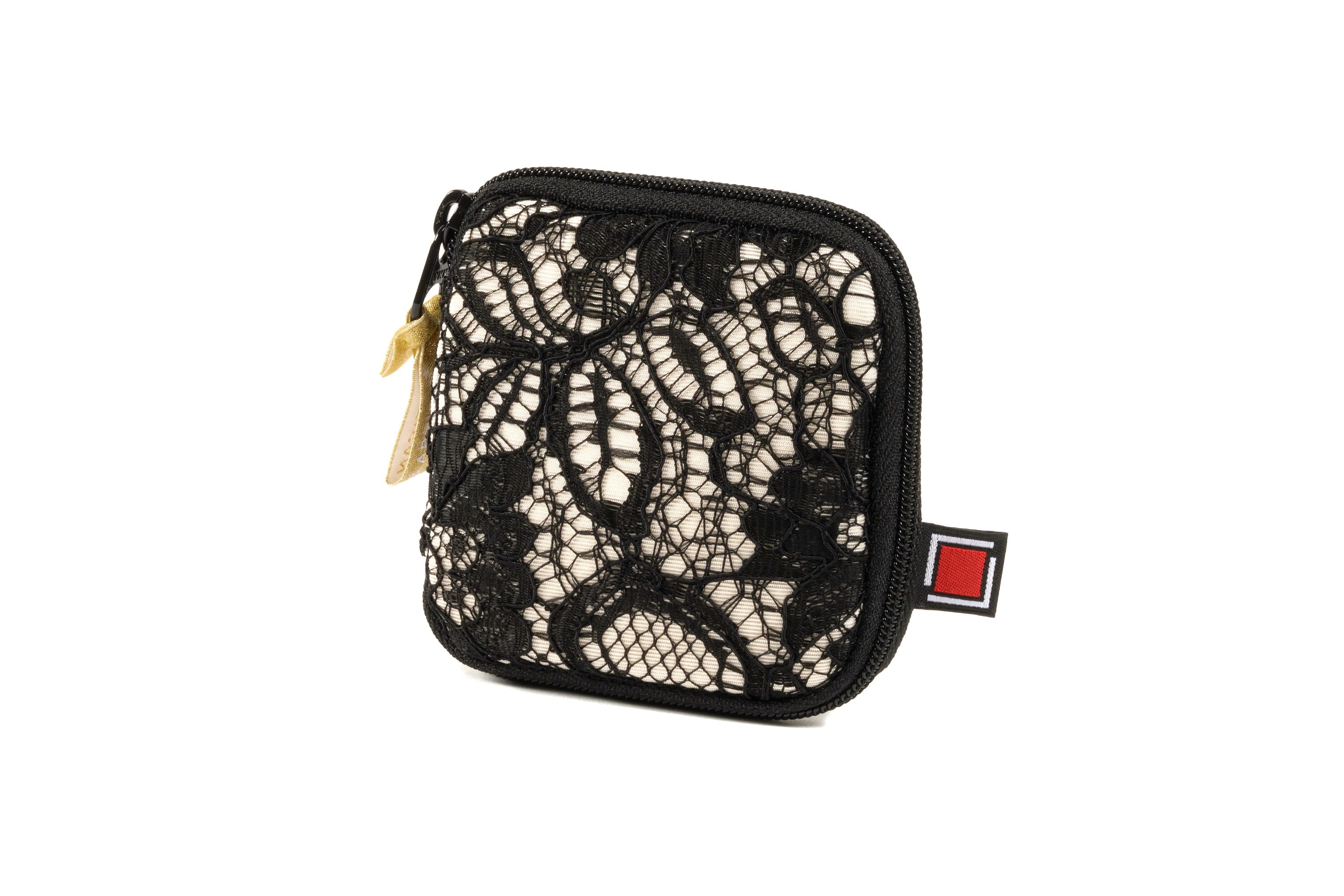
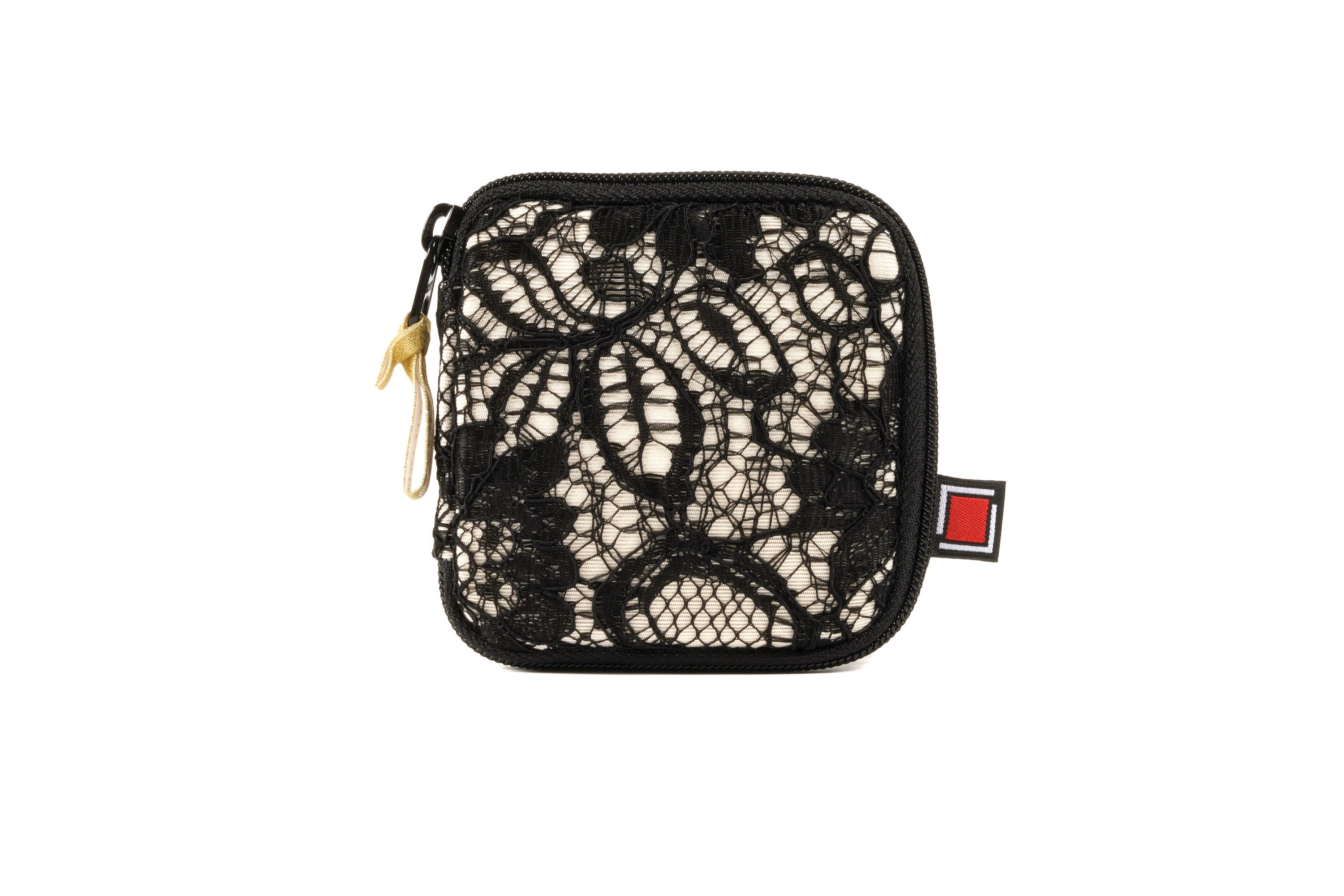
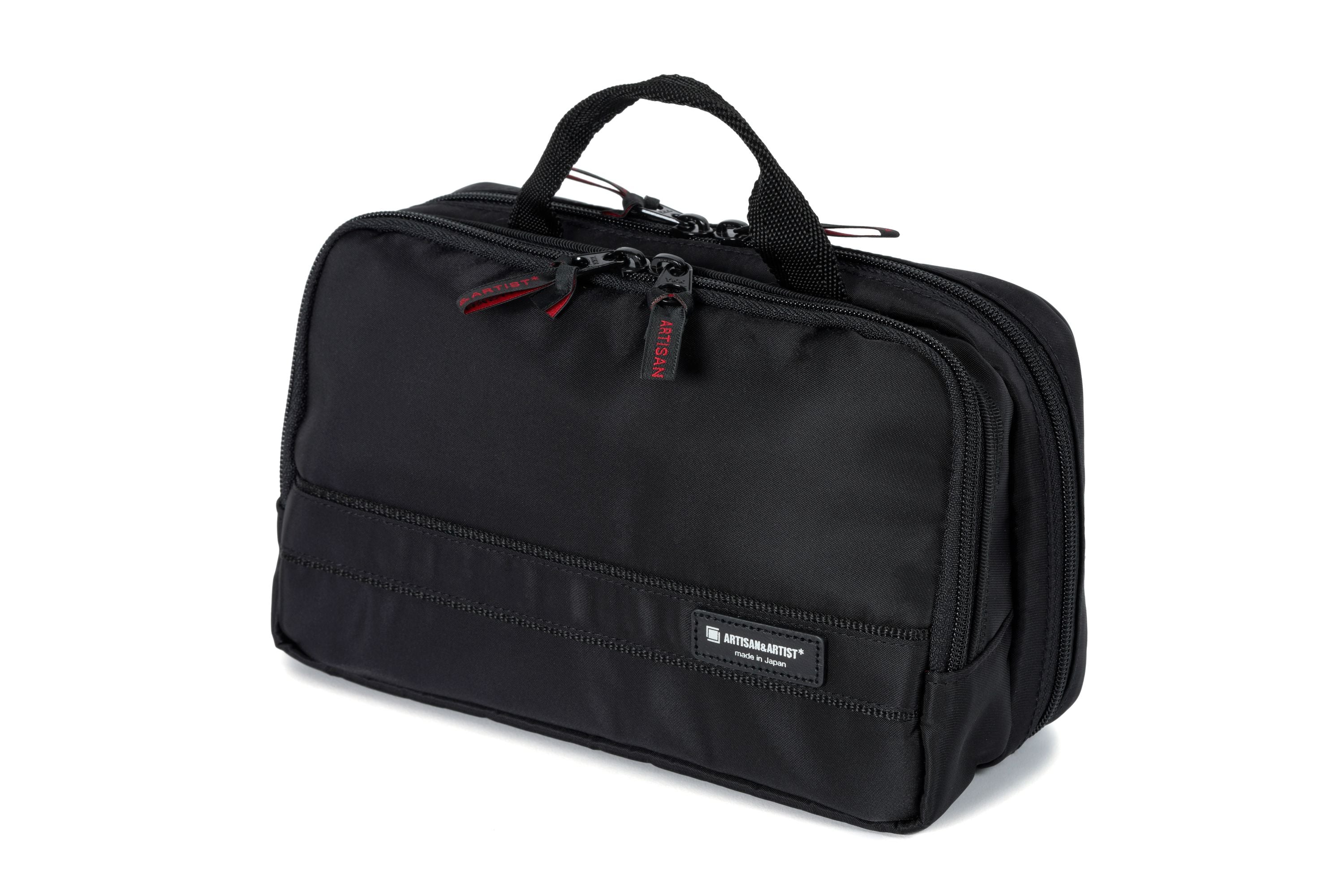
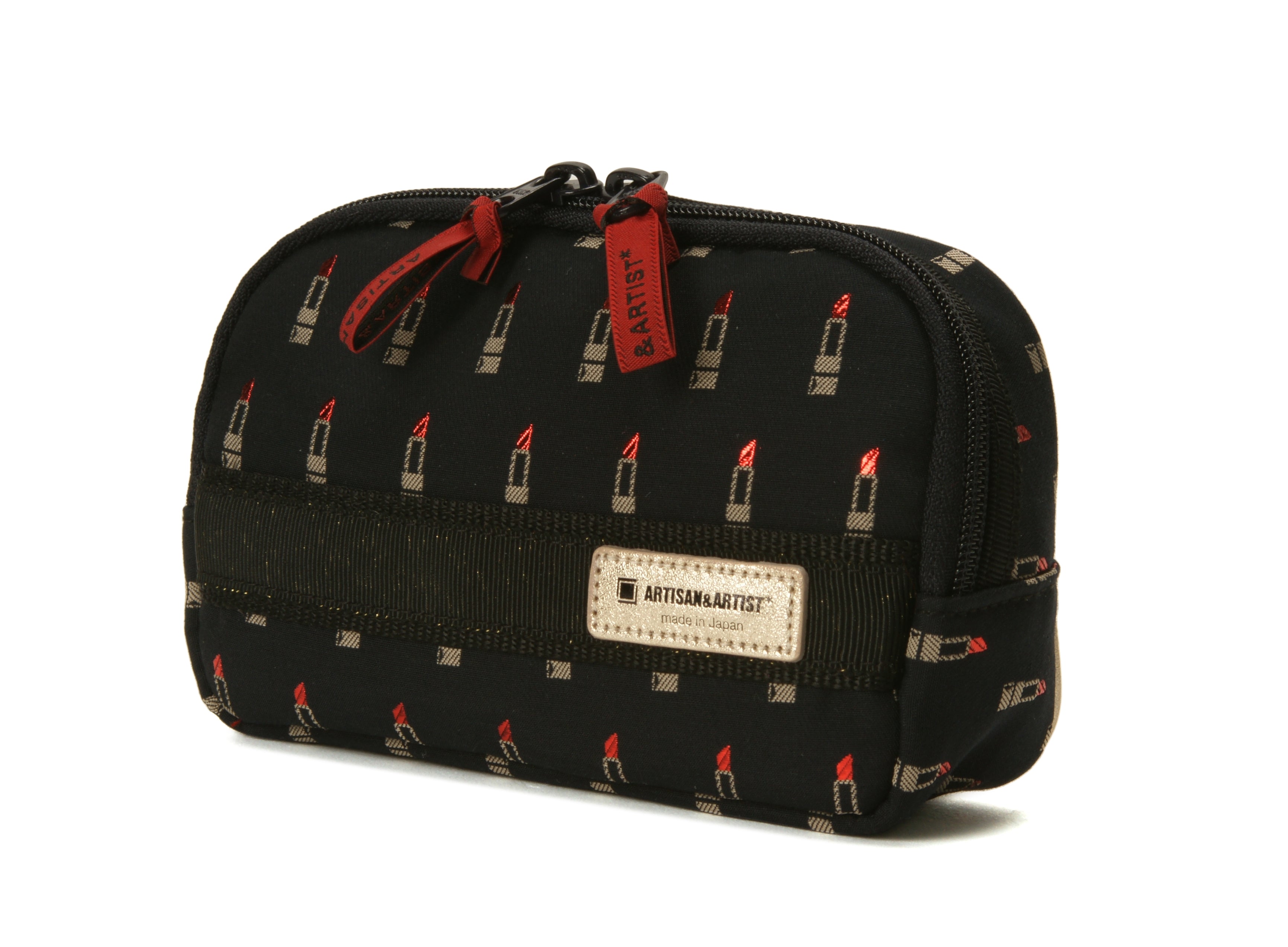
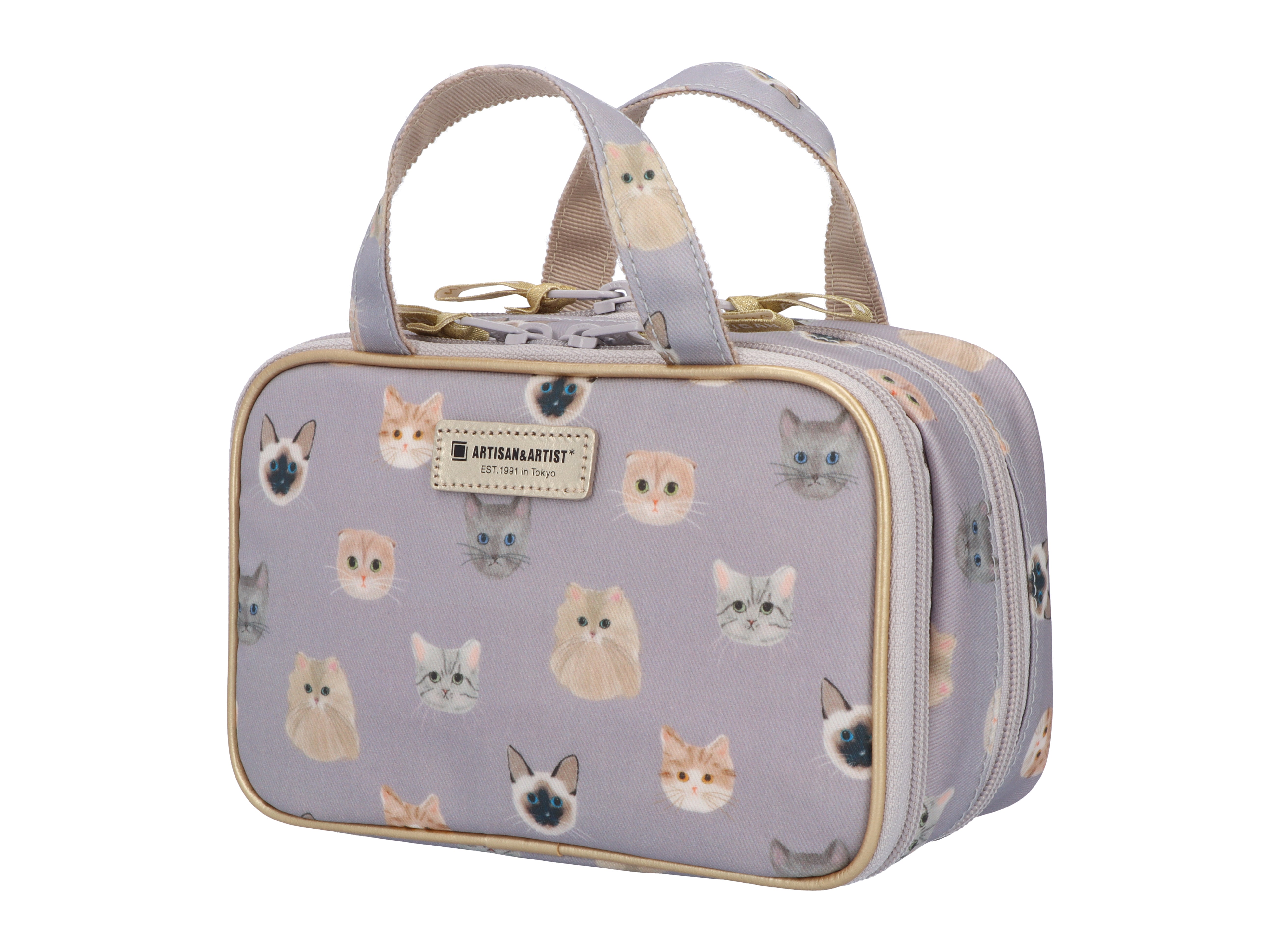
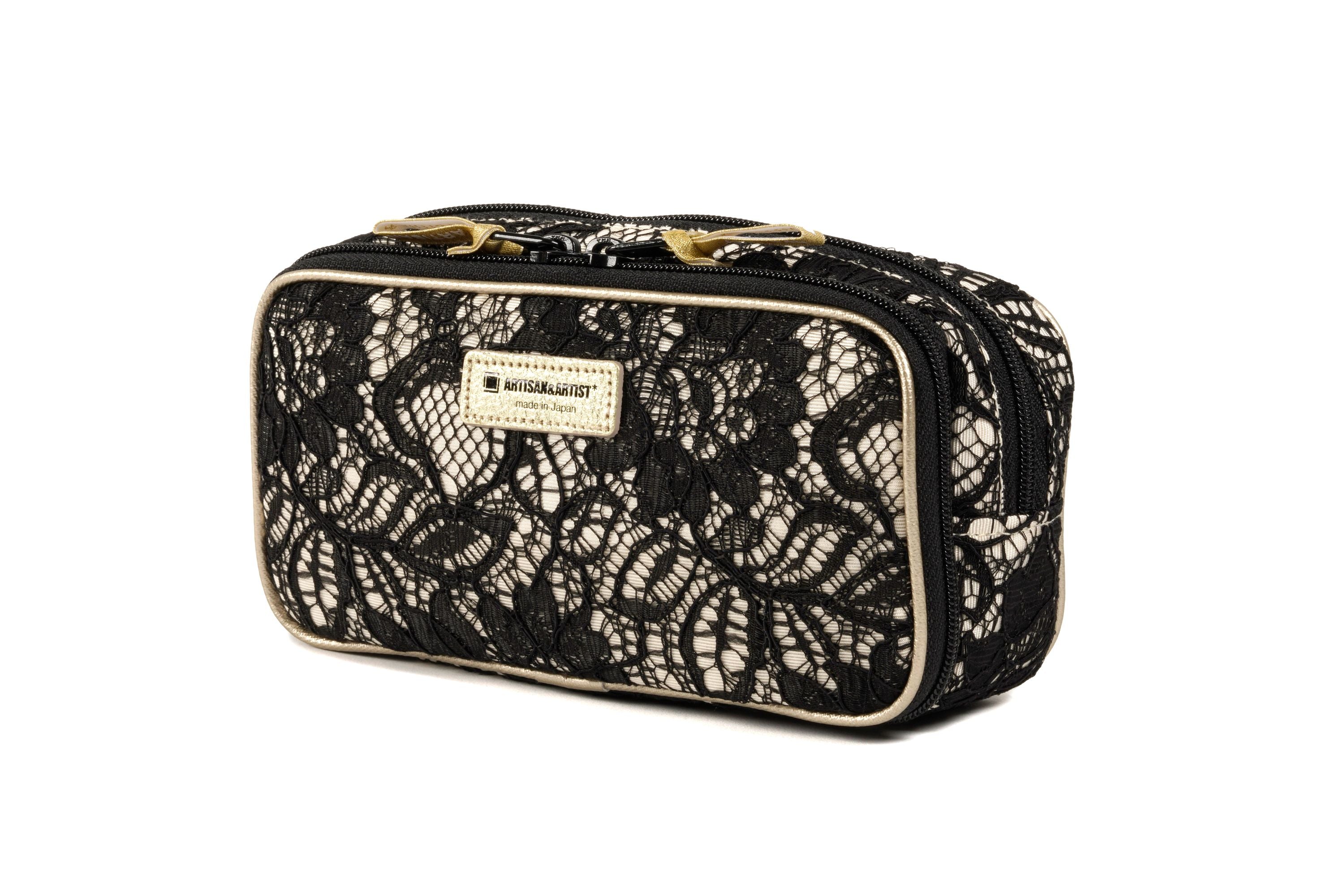
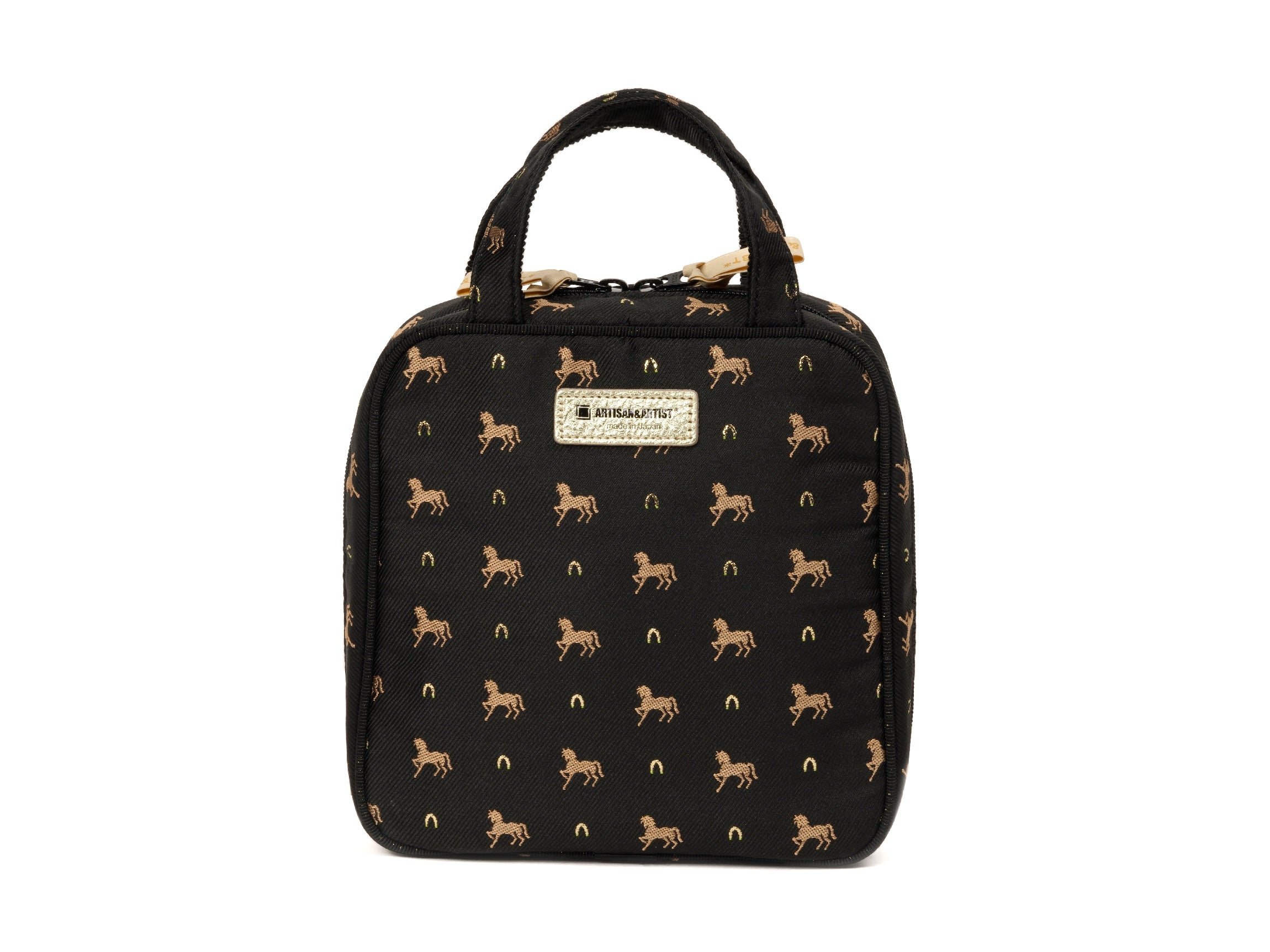
A dedicated pouch with fixed holders removes the problem permanently, so there is nothing to rig up each time you pack. If you would rather not improvise every trip, see our guide to the Jewelry Pouch with Ring Holder, which covers the Model 735 and, for those traveling with more, the Large Size Model 736. It is the considered alternative to a drawer full of straws and cling film — your pieces arrive in order because order is built in.
Frequently Asked Questions
Can you wear jewelry through airport security? In most cases, yes. The TSA does not require you to remove jewelry, and small pieces like rings, stud earrings, and thin chains rarely set off the metal detector. Bulky or heavily metallic pieces are more likely to trigger additional screening, so for those it is often easier to slip them into your carry-on before the checkpoint and put them back on once you are through. If you are carrying something especially valuable, you can ask to be screened privately.
What is the best way to pack a necklace without a jewelry box? You do not need a box. Thread a fine chain through a drinking straw and fasten the clasp around it to hold the chain taut, or lay several necklaces flat between two sheets of press-and-seal wrap and fold the sheet down into a compact bundle. Clasping every necklace closed before packing also prevents a surprising share of tangles on its own.
How do you pack a watch for travel? Keep a watch separate from your other jewelry so its case and crystal are not scratched by rings or chains. A small soft pouch or a folded cloth is enough; for an automatic watch, lay it flat rather than coiling the strap tightly. As with any valuable piece, a watch belongs in your carry-on, not in checked luggage.
Is it better to wear your jewelry on the plane or pack it? For your most valuable pieces, wearing them or keeping them in your carry-on is safer than packing them in a checked bag, which can be delayed or lost. The exception is anything bulky enough to slow you down at security or uncomfortable to wear for a long flight, which is better stored in a small case within your carry-on where it stays with you the whole way.
For more on packing the rest of your kit for a flight, see our guide to flying with makeup and getting through TSA.