
You know the clutter that builds up on a bathroom shelf without anyone deciding to let it happen. There's a mascara you can't quite remember buying, a foundation that's separated slightly at the top, a lipstick worn down to an odd angle. None of it looks wrong exactly. But there's a small question underneath all of it ("is this still okay to use?") that most people answer by guessing, or by not asking at all.
Knowing how to store makeup properly answers that question before it needs to be asked. It isn't complicated, and it has almost nothing to do with which bag or organizer you use. It's about understanding what makeup is: a mix of oils, water, pigment, and preservatives; and giving it the conditions it needs to stay stable, clean, and safe for your skin.
Does Makeup Expire? How to Read the PAO Symbol

Yes. Every cosmetic product has a usable lifespan, even the ones that don't carry a printed expiration date. Most makeup packaging instead carries a PAO symbol: a small open-jar icon with a number and the letter "M" inside, such as "12M" or "24M." That number tells you how many months a product remains safe to use after it's been opened, which is a different measure than an unopened shelf-life date, and the more useful one for anything already sitting in your collection.
The PAO symbol isn't a legal requirement in the United States the way it is in the European Union, so not every U.S. product carries one. When it's missing, the general shelf-life guide below is the next best reference, and your own senses, covered further down, are the final check.
How Long Does Makeup Last? A Shelf-Life Guide by Product Type

Shelf life varies more than most people expect, mostly based on how much water a formula contains; water-based products spoil faster than oil- or wax-based ones.
Mascara has the shortest life of anything in a makeup bag, generally three to six months after opening. It's used closest to a sensitive area (the eyes) and its tube is repeatedly exposed to air and bacteria from the wand, so the more conservative end of that range is the safer one to follow.
Liquid foundation typically lasts six to twelve months, depending on the formula. Water-based foundations sit at the shorter end; oil-based formulas can stretch slightly longer, sometimes toward eighteen months.
Powder products like pressed powder, powder foundation, powder blush and eyeshadow, last the longest, generally one to two years, since their low moisture content makes them far less hospitable to bacteria.
Lipstick and lip products fall in the middle, usually good for twelve to eighteen months, occasionally up to two years for very wax-heavy formulas. Liquid lip products with a doe-foot applicator behave more like liquid foundation and should be treated with the shorter timeline.
When in doubt, the rule that matters most is simple: for anything used near the eyes, err toward the shorter end of these windows.
Where to Store Makeup and Why the Bathroom Is the Worst Spot

The place most people store their makeup collection is, unfortunately, the place least suited to it. A bathroom runs through repeated cycles of heat and humidity every time someone showers, and that combination is exactly what accelerates the breakdown of oils, separates emulsions, and gives bacteria the warm, damp environment it needs to multiply. Direct sunlight adds a second problem; UV exposure fades pigments and degrades certain preservatives faster than time alone would.
The better approach is to store the bulk of a collection somewhere cool, dark, and dry, like a bedroom drawer or a closet shelf, away from a window. It's perfectly fine to keep a small, current edit of daily-use products in the bathroom for convenience; the issue is long-term storage of a full collection in a room that's actively working against it.
Makeup Hygiene: The Small Habits That Protect Your Products (and Your Skin)

Storage conditions are half the equation. The other half is hygiene; the small daily habits that keep bacteria from getting into a product in the first place.
Wash makeup brushes and sponges regularly; they carry oil, dead skin, and product residue back into every jar and compact they touch. Always apply products with clean hands or a clean tool rather than fingers straight from a shower or a commute. Resist the urge to pump a mascara wand in and out of the tube. It pushes air in and speeds up drying, which is exactly what shortens mascara's already-short life. Never add water or saliva to revive a dried-out product; it introduces bacteria rather than removing the problem. And avoid sharing eye and lip products altogether — these are the items most likely to transfer infection, given how close they sit to mucous membranes.
Caring for Your Brushes Between Uses

Brushes deserve the same care as the products they apply. Wash them on a regular schedule, dry them flat rather than standing upright, and give them a dedicated, covered place to live between uses so a clean brush stays that way. For the full method, from washing frequency by brush type through drying and when to finally replace one, see our guide on How to Clean Makeup Brushes.
When to Let Makeup Go: The Signs It's Turned

Beyond the general timelines above, a product is telling you something the moment it changes. A sour or off smell, a change in texture: clumping, separating, or turning grainy; a shift in color, or a formula that no longer applies smoothly are all signs it's time to toss it, regardless of how long it's technically been. This applies doubly to anything used near the eyes: when in doubt, the safer choice is always to replace it.
Caring for What You Own

There's a version of a makeup collection that just accumulates; products added over years, rarely reviewed, rarely thought about until something goes wrong. And there's another version: a collection someone actually tends to, the way a craftsperson tends to their tools. Checking a PAO symbol, washing a brush before it's needed again, giving a product somewhere cool and dark to live. None of this is about being precious. It's about being intentional in small, private moments nobody else sees.
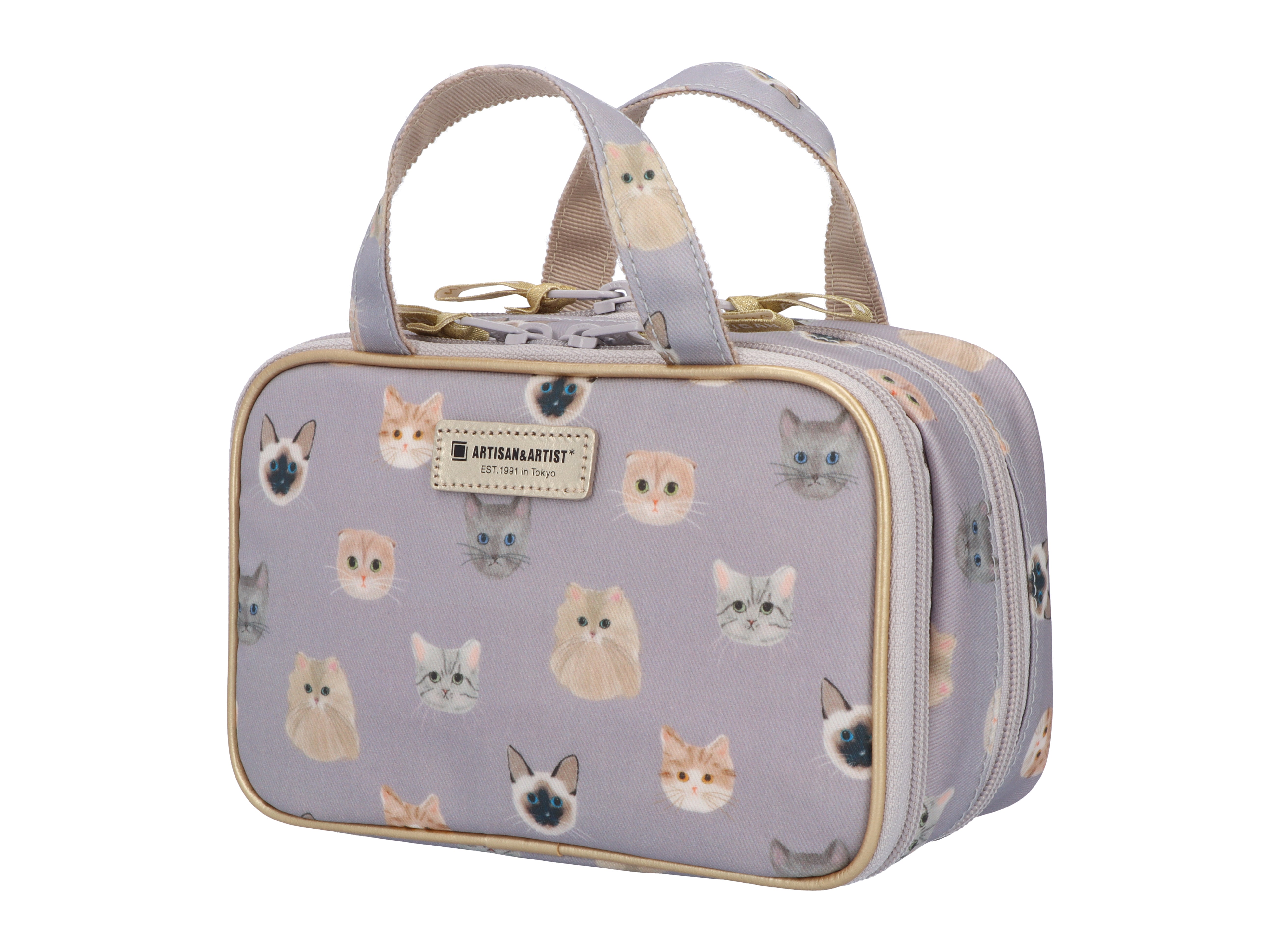
That mindset extends naturally to how you carry what you use daily. A pouch, chosen well and cared for in turn, becomes part of the same practice because keeping your tools in good order, all the way down to the smallest ones, is its own quiet form of craftsmanship.
Frequently Asked Questions
Does makeup really expire?
Yes. Even without a printed expiration date, cosmetics degrade over time and with exposure to air, light, and bacteria. Most carry a PAO symbol showing how long they remain safe to use once opened.
How long does mascara / foundation / lipstick last after opening?
Mascara: three to six months.
Liquid foundation: six to twelve months.
Powder products: one to two years.
Lipstick: twelve to eighteen months, occasionally longer for wax-based formulas.
Is it bad to store makeup in the bathroom?
For long-term storage, yes. Heat and humidity from showers accelerate breakdown and bacterial growth. Keeping a small daily-use edit there is fine; store the bulk of a collection somewhere cool, dark, and dry instead.
How often should I wash my makeup brushes?
Weekly for brushes used around the eyes; every one to two weeks for foundation and powder brushes, which accumulate more product buildup.
Should I store makeup brushes upright or lying down?
Lying flat while drying, bristles slightly overhanging the edge, so water doesn't seep into the ferrule. Once fully dry, brushes can be stored upright or flat in a clean pouch or holder.
How do I know when to throw makeup away?
Trust your senses over the calendar: a sour smell, a change in texture or color, or a formula that no longer applies smoothly all mean it's time to replace it; especially for anything used near the eyes.
The Artisan Upgrade

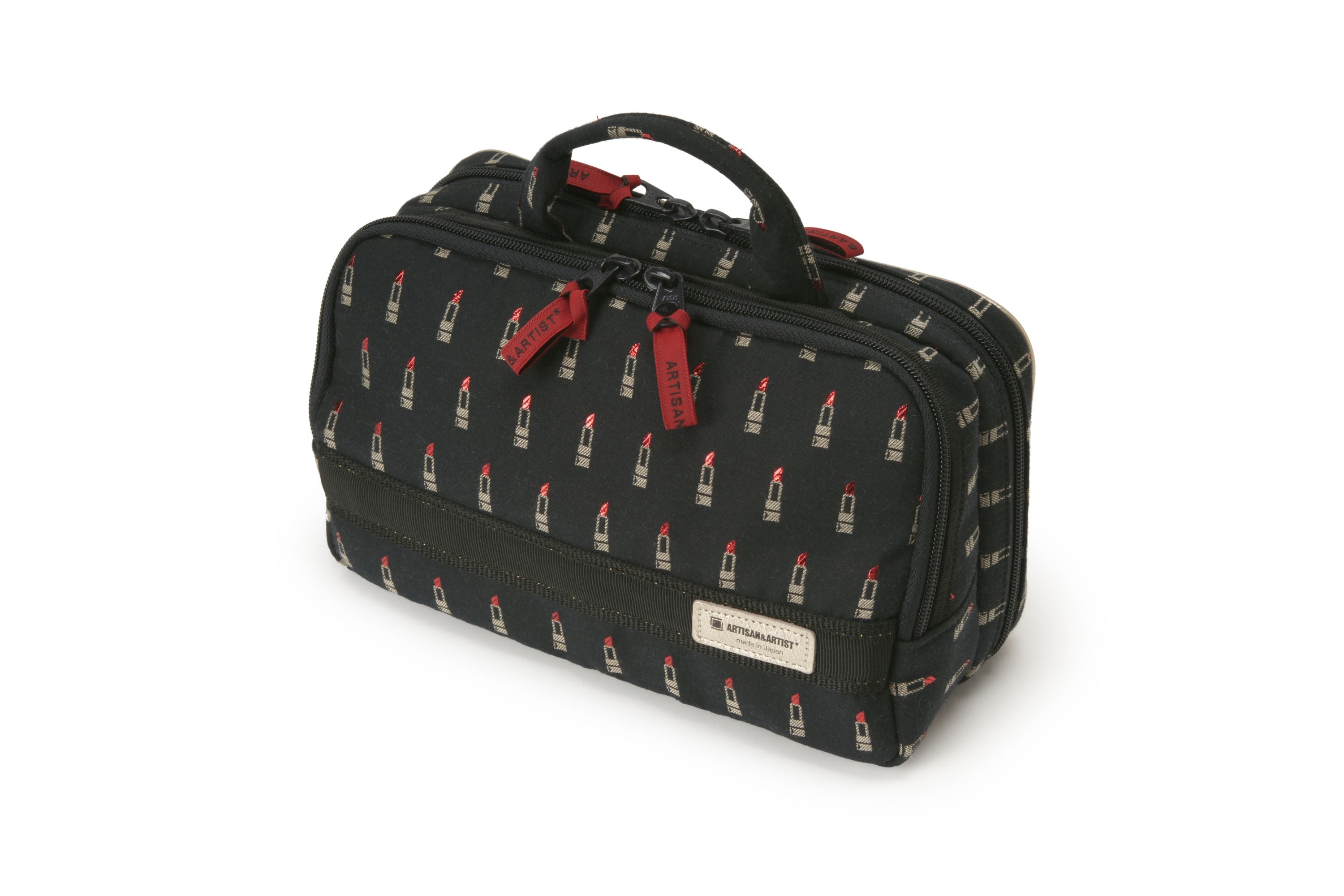
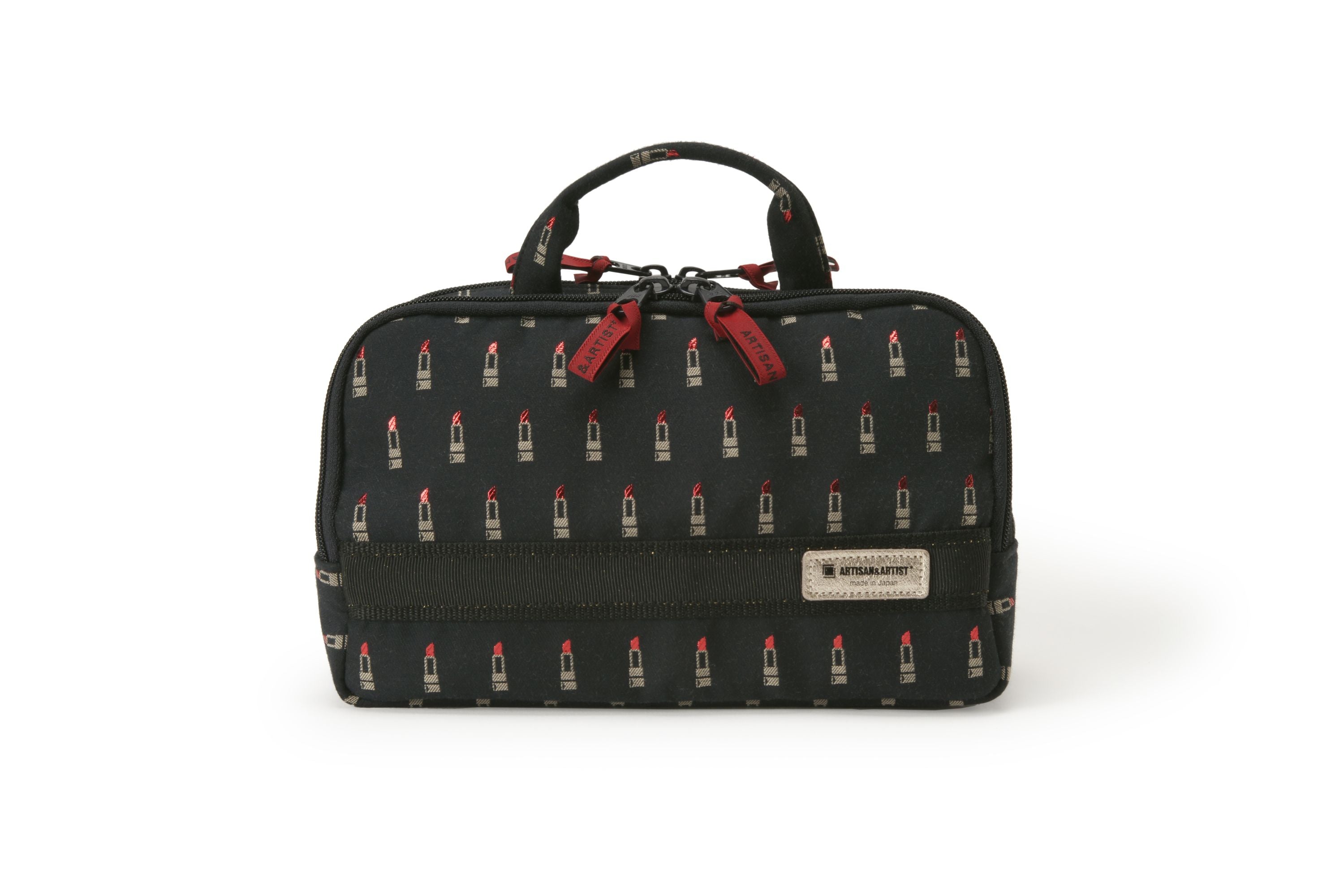
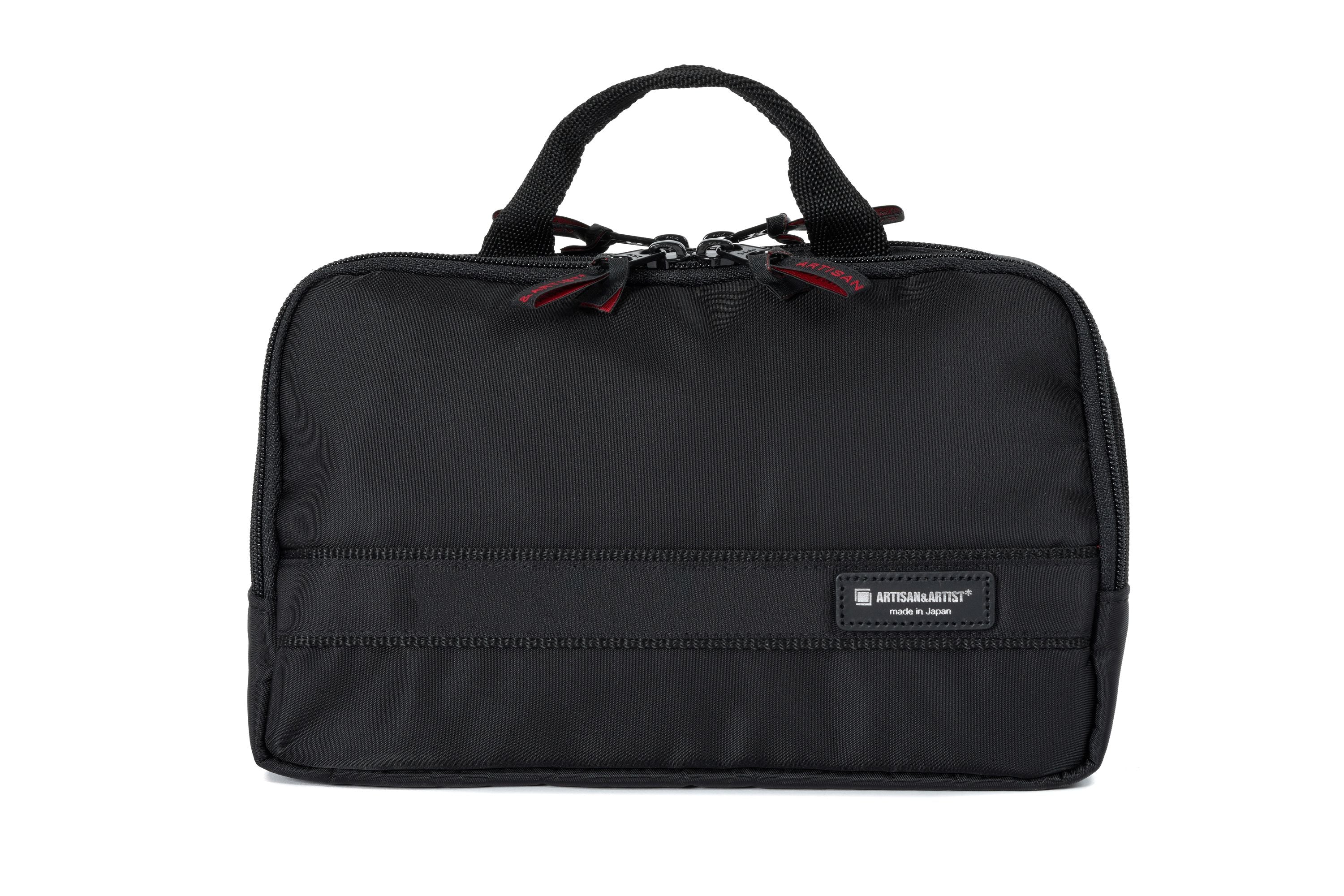
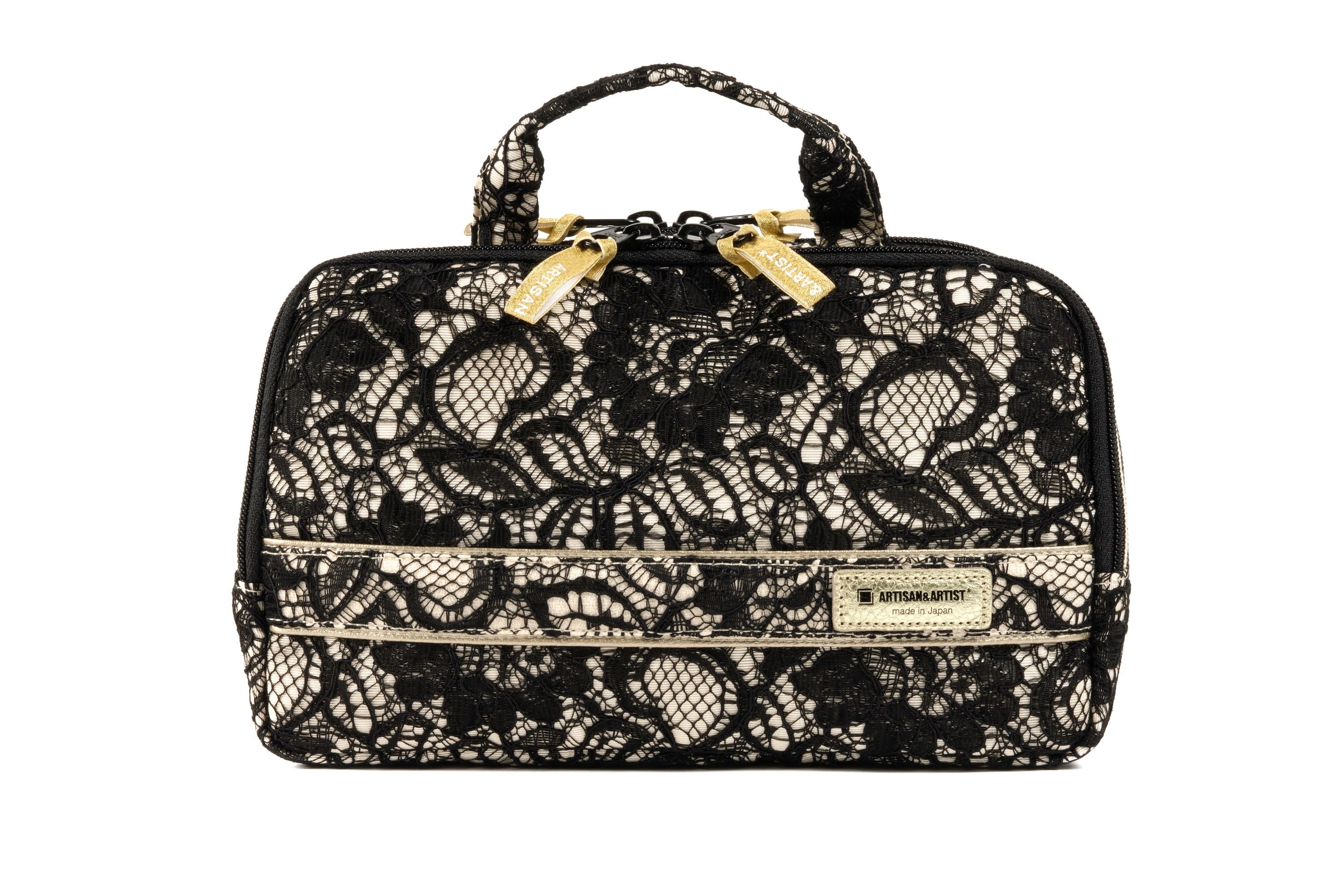
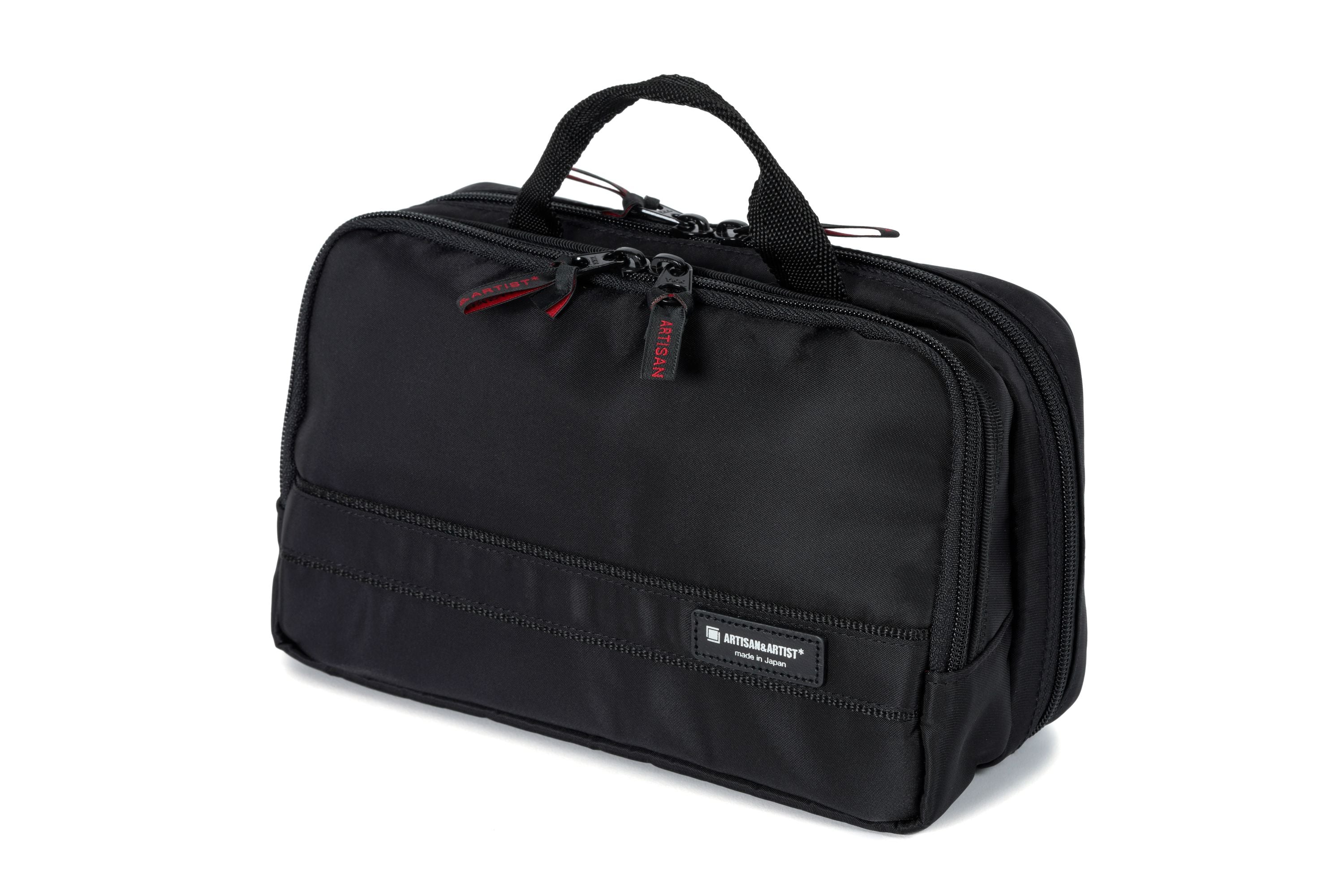
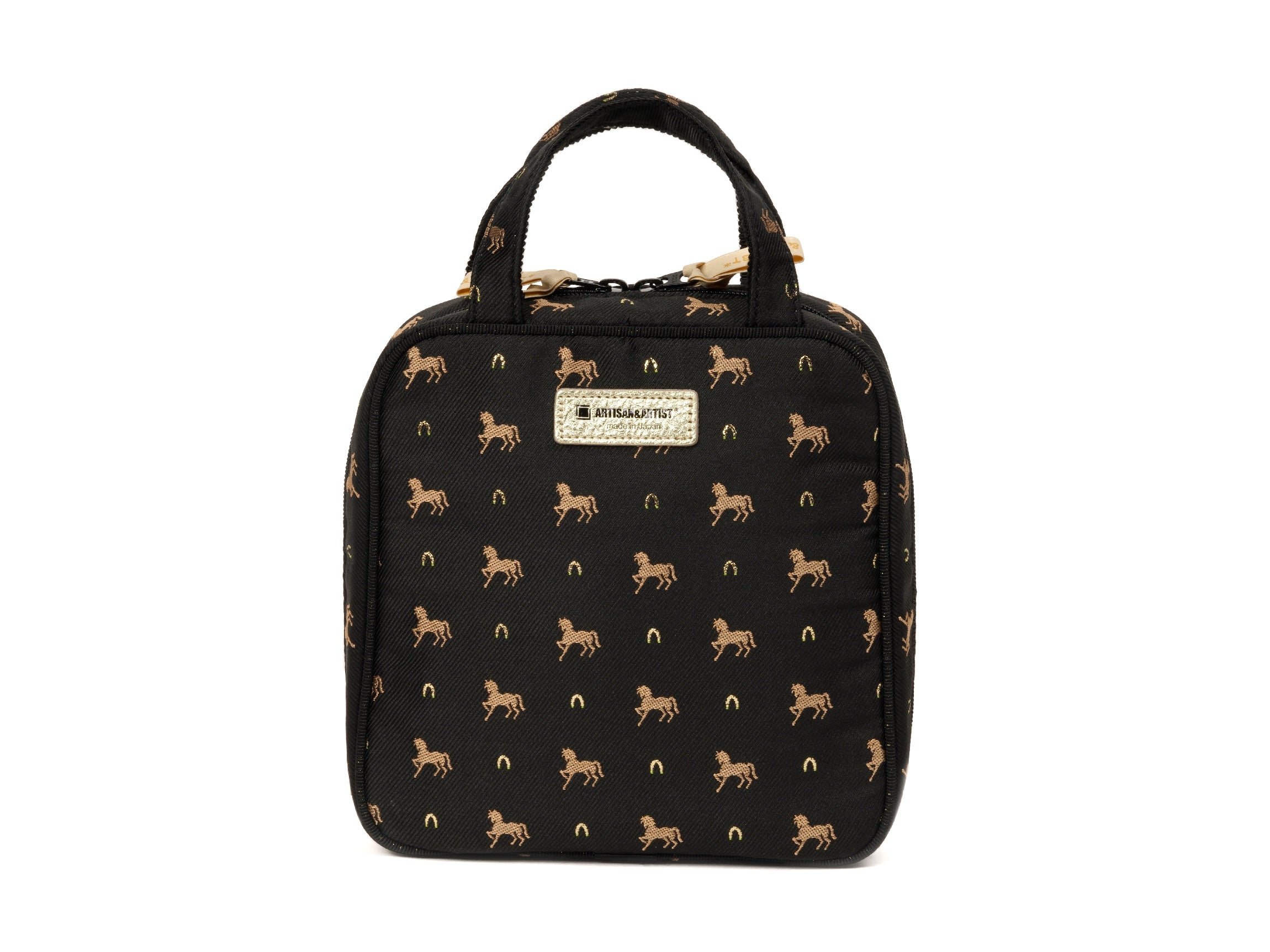
Good storage habits deserve a good home for the products you reach for daily. The Classic Large Slope Shape Makeup Bag (BS120) makes an ideal everyday edit. Its bag-in-bag structure keeps what you're actively using organized and close at hand, while the rest of your collection stays properly stored, cool and dry, elsewhere.

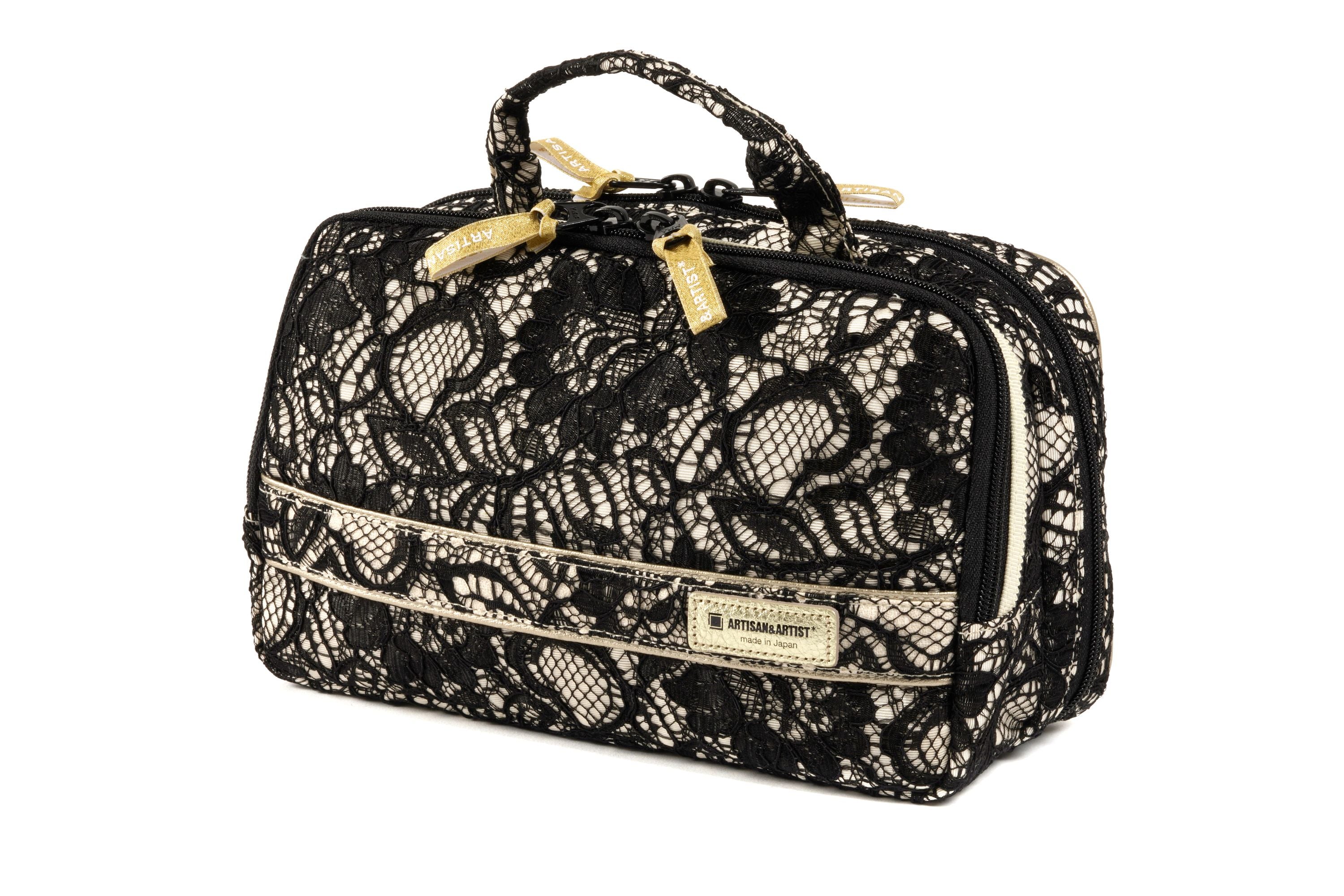
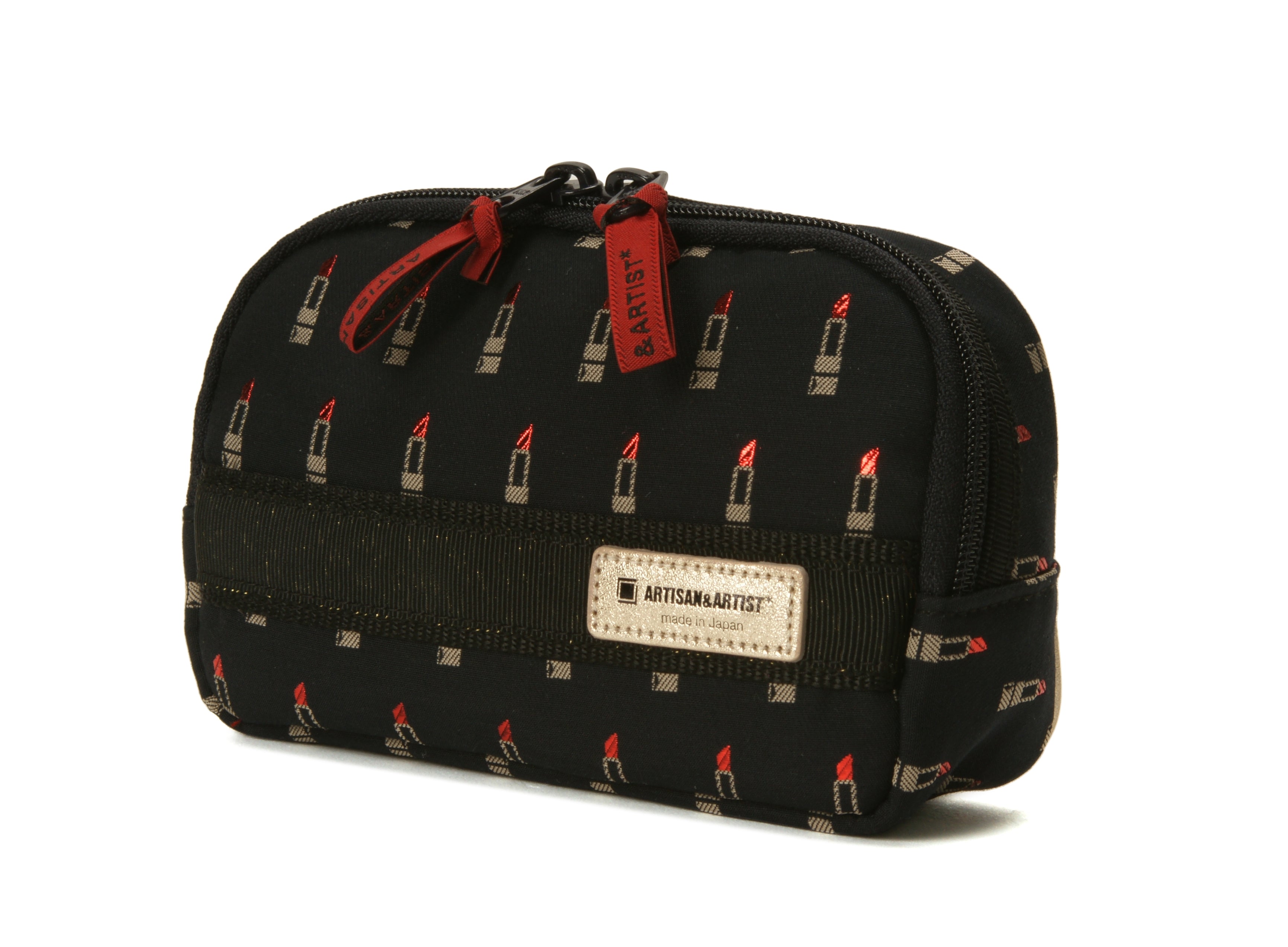
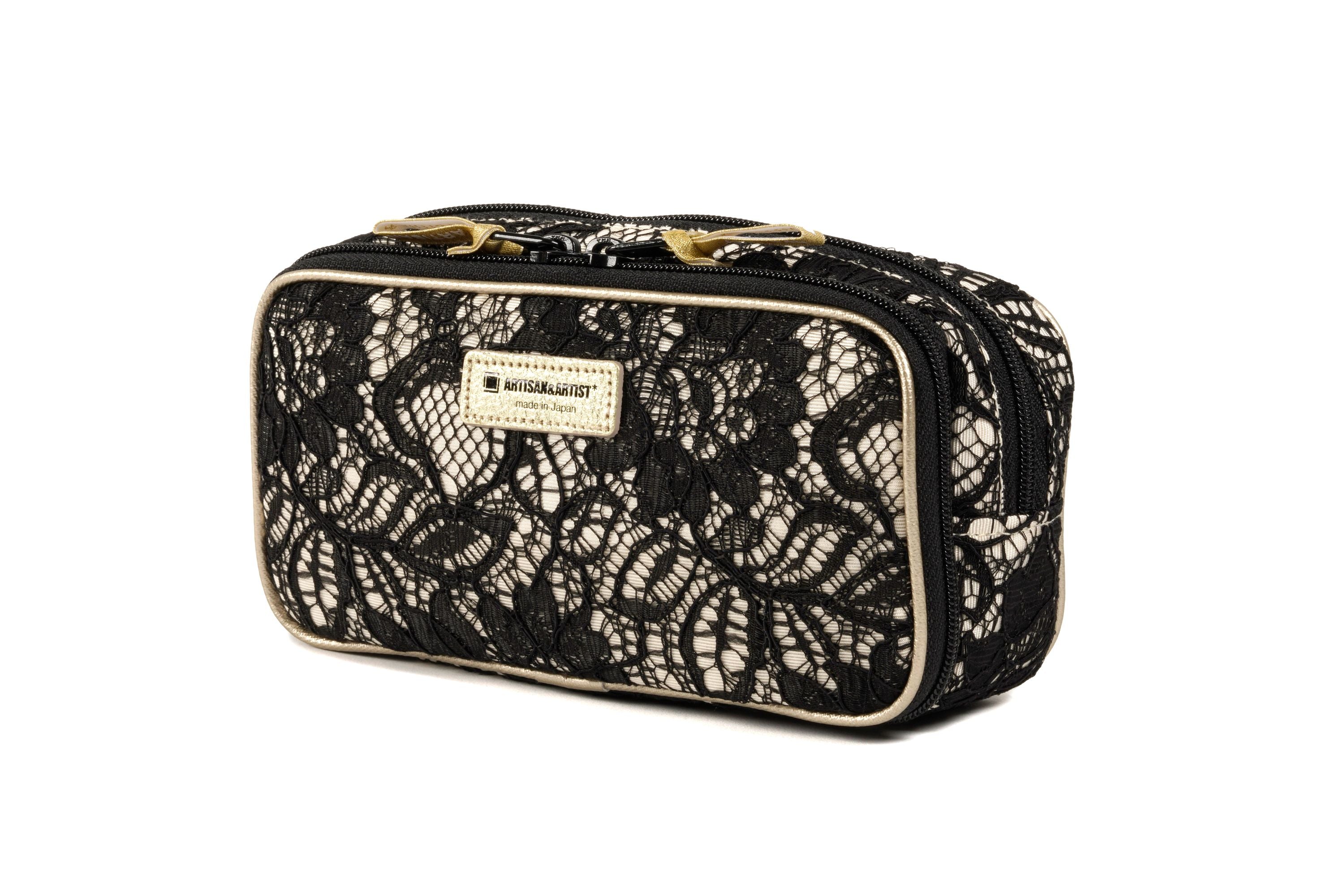
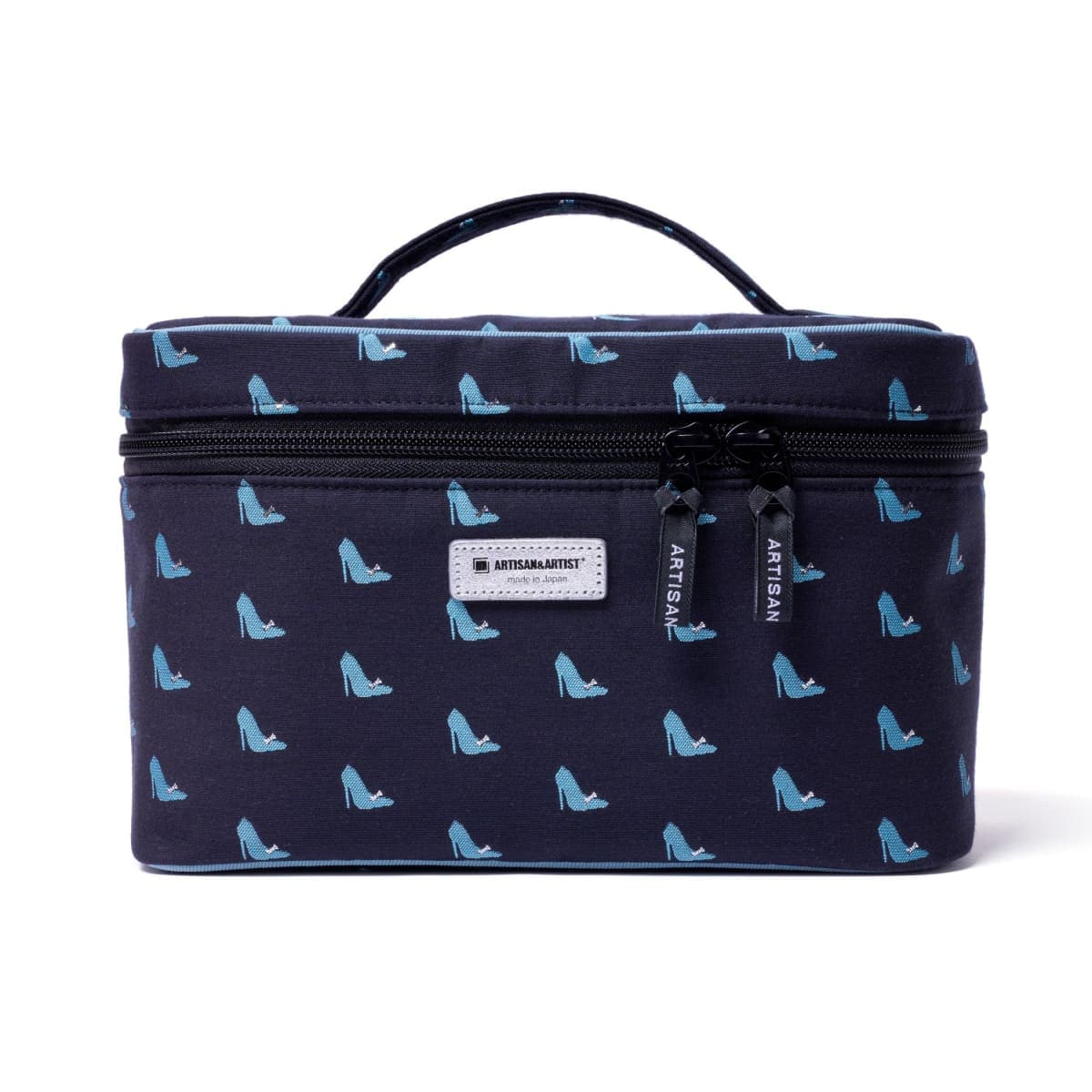
For brushes specifically, the Valiant Rouge Large Slope Shape Makeup Bag (LI120) has a brush holder that folds forward when the front zipper opens, keeping clean, dry brushes separated and visible rather than loose at the bottom of a bag. To be clear: a well-made pouch keeps your routine organized and your tools protected from dust and damage — it doesn't extend a product's shelf life. That part is still up to the storage habits above.
For the full range, browse the makeup pouch collection and makeup brushes. If you're building out a complete kit, see why the right makeup bag organizer changes everything. Traveling with your routine? Flying With Makeup covers TSA rules and packing.