
Most travelers planning a first trip to Japan assume the packing list needs to look different from any other international trip: a separate set of rules, a separate mindset, maybe a separate suitcase entirely. It mostly doesn't. The bulk of what belongs in the bag is identical to packing for London or Lisbon. What actually changes is a short, specific list of things, and nobody tends to name them clearly before the trip starts.
That list is worth naming, because getting it wrong in either direction has a real cost: overpacking for conditions that don't apply, or landing without the two or three things that do.
What's Actually Different About Packing for Japan

Four things separate a Japan trip from a generic international one, and all four are concrete rather than cultural impressions.
The first is seasonal extremity. Japan runs hotter and more humid in summer than most US travelers expect, and colder and drier in winter, with indoor heating turned up aggressively enough that layering matters indoors as well as out. The second is footwear etiquette: shoes come off at the entrance to many homes, ryokans, and some restaurants and temples, which means slip-on shoes and presentable socks earn their place in the bag in a way they wouldn't on a typical city trip. The third is the country's continued reliance on cash. Many smaller restaurants, shrines, and rural shops still don't take cards, and a traveler used to tapping a phone everywhere in the United States will notice the gap quickly. The fourth is logistical: once in Japan, carrying less and buying more is often the better strategy, because the country's drugstores and department stores are excellent, inexpensive, and everywhere.
None of these require a different suitcase. They require packing a few specific things on purpose, instead of by habit.
What to Pack by Season

Japan's four seasons are distinct enough that a packing list written for one does not transfer cleanly to another.
Summer (June through August). Humidity is the defining condition, not just heat. Lightweight, breathable fabrics matter more than warmth layers, and a change of shirt for the afternoon is a reasonable thing to plan for on a day that includes walking. Sweat-resistant or quick-drying fabrics hold up better than cotton on long days outdoors.
Winter (December through February). Outdoor cold is real, particularly north of Tokyo, but indoor heating runs warm enough that a single heavy coat becomes a burden the moment you step inside a train, a shop, or a restaurant. Layering, rather than one heavy outer piece, is the better approach: a thin base layer, a mid layer that can come off, and a coat that handles the walk between them.
Spring and fall (March through May, September through November). These are the trickiest seasons to pack for precisely because they're pleasant, and pleasant weather still swings ten to fifteen degrees between morning and midday. A light jacket that can be removed and carried, rather than left at the hotel, earns its place more than almost anything else on the list.
Across all three windows, the constant is this: Japan rewards layers you can add and remove through the day far more than it rewards a single outfit built for one temperature.
What to Bring From Home Versus Buy Once You Land

This is the question a generic packing list never answers, and it's the one worth getting right.
Bring from home: any medication you take regularly, since finding an equivalent in Japan can mean working through a pharmacy in a language you don't read; SPF formulated the way you prefer, since Japanese sunscreens lean toward chemical formulas that differ from what some US travelers are used to; and any electronics adapter you need, since Japan runs on a different voltage and plug type than much of Europe and parts of Asia.
Buy once you land: nearly everything else in a daily toiletries or skincare routine. Japanese drugstores and department stores, from the ubiquitous Matsumoto Kiyoshi chains to department store basement floors, carry skincare and cosmetics that are well regarded internationally and often less expensive than the US equivalent. A traveler who overpacks a full skincare routine for a ten-day trip is carrying weight that could just as easily be picked up on day two, and Japan happens to be a genuinely good place to do exactly that kind of shopping along the way.
The practical rule: pack for the first forty-eight hours as though nothing will be available, and plan to restock after that.
Carrying Cash, and the Small Things That Go With It

Japan's cash culture surprises US travelers more than almost anything else on this list, because it runs against an assumption built over years of tapping a card everywhere at home. Convenience stores, vending machines, and larger retailers take cards without issue. Many temples, smaller family-run restaurants, traditional inns, and rural shops do not.
In practice, that means carrying more physical currency on this trip than on almost any other: yen for small purchases, a prepaid transit card like Suica or Pasmo for trains and buses, and a phone you need constantly for maps and schedules. Toss all three into a bag with one big main compartment, and they behave the way loose things always do in a bag like that. The transit card works its way to the bottom under a water bottle. The yen scatters between receipts and a hotel key. And you end up holding up the ticket gate, patting down every pocket for the one thing you need right now.
A bigger bag doesn't fix that. What helps is somewhere small, flat, and dedicated: a place for yen, the transit card, and the phone that sits apart from everything else and comes out in one motion.
Tokyo Versus Rural Japan

The packing calculation also shifts depending on where the trip spends most of its time. Tokyo, Kyoto, and Osaka are dense with convenience stores, pharmacies, and English-language signage, which means a forgotten item is usually a five-minute errand away. Rural Japan, from the Japanese Alps to smaller coastal towns, offers none of that convenience. A missing adapter or an empty prescription becomes a genuine inconvenience rather than a quick fix.
The practical takeaway: pack lighter and plan to shop in the cities, but carry a fuller buffer of essentials for any stretch of the trip spent outside them.
What This Doesn't Replace
This list covers what changes specifically because the destination is Japan. It doesn't replace the fundamentals. For the general carry-on checklist that applies to any international trip, The Only Travel Packing List 2026 covers the baseline. For the specific method of packing cosmetics and liquids into a carry-on without the bag turning into a mess by day three, How to Pack a Makeup Bag in a Carry-On walks through that separately. This article is the Japan-specific layer on top of both, not a substitute for either.
Frequently Asked Questions
What should I pack for Japan that I can't easily buy there?
Regular medications, your preferred SPF formula, and the correct electronics adapter for Japan's voltage and plug type. Nearly everything else, from skincare to daily toiletries, is easy to find and often less expensive once you land.
Do I need to pack differently for Tokyo versus rural Japan?
Yes. Cities carry a dense network of convenience stores and pharmacies, so a forgotten item is a short errand away. Rural areas don't offer that safety net, so it's worth carrying a fuller buffer of essentials outside the major cities.
What's different about packing for Japan in each season?
Summer calls for breathable, quick-drying fabrics to handle humidity. Winter calls for removable layers rather than one heavy coat, since indoor heating runs warm. Spring and fall require a light jacket that can come off, since the temperature often swings significantly between morning and midday.
What's the easiest way to keep yen, a transit card, and your phone organized while you're out in Japan?
Keep them somewhere separate from the rest of your bag, in one spot you check first. A flat, dedicated place works better than a wallet already crowded with cards you'll use less often here, since you can pull out exactly what you need at a register or a ticket gate without searching for it.
The Artisan Upgrade

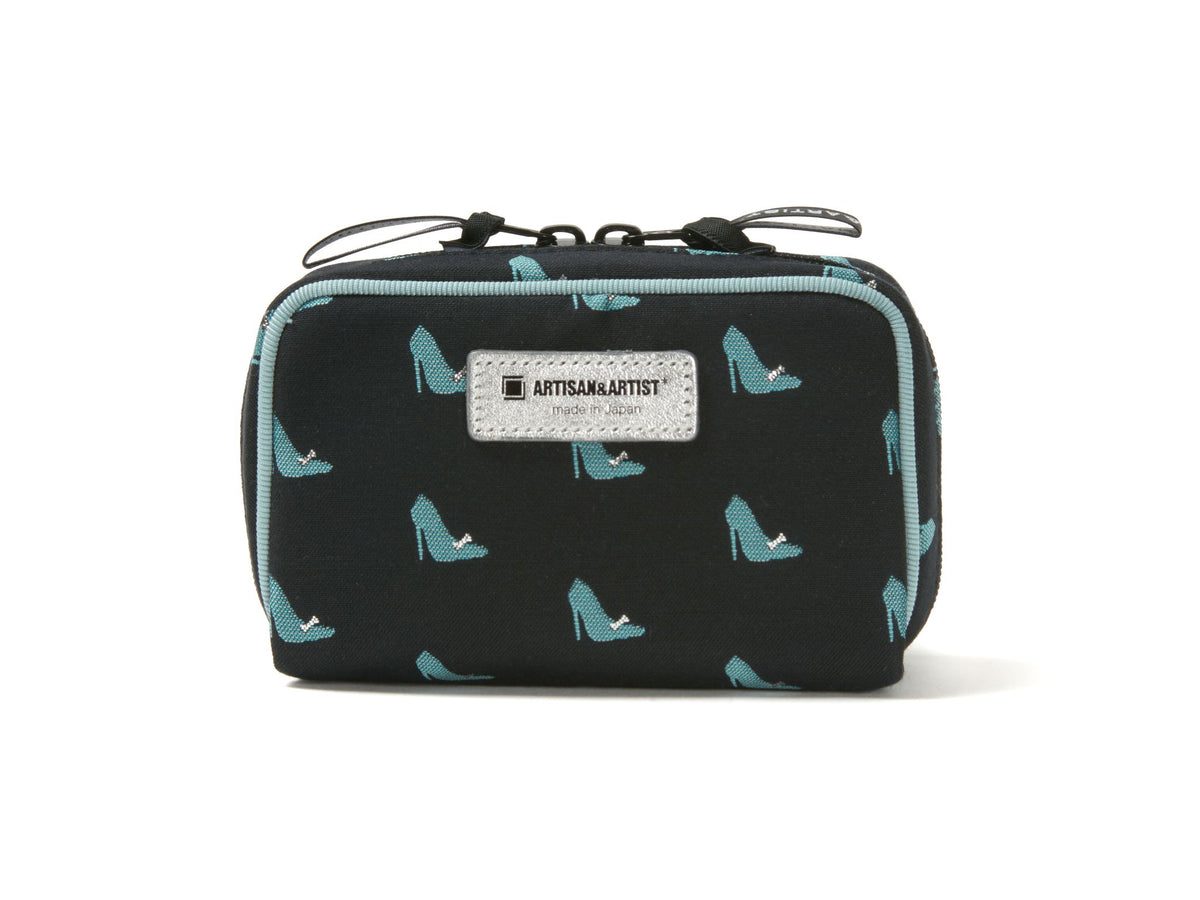
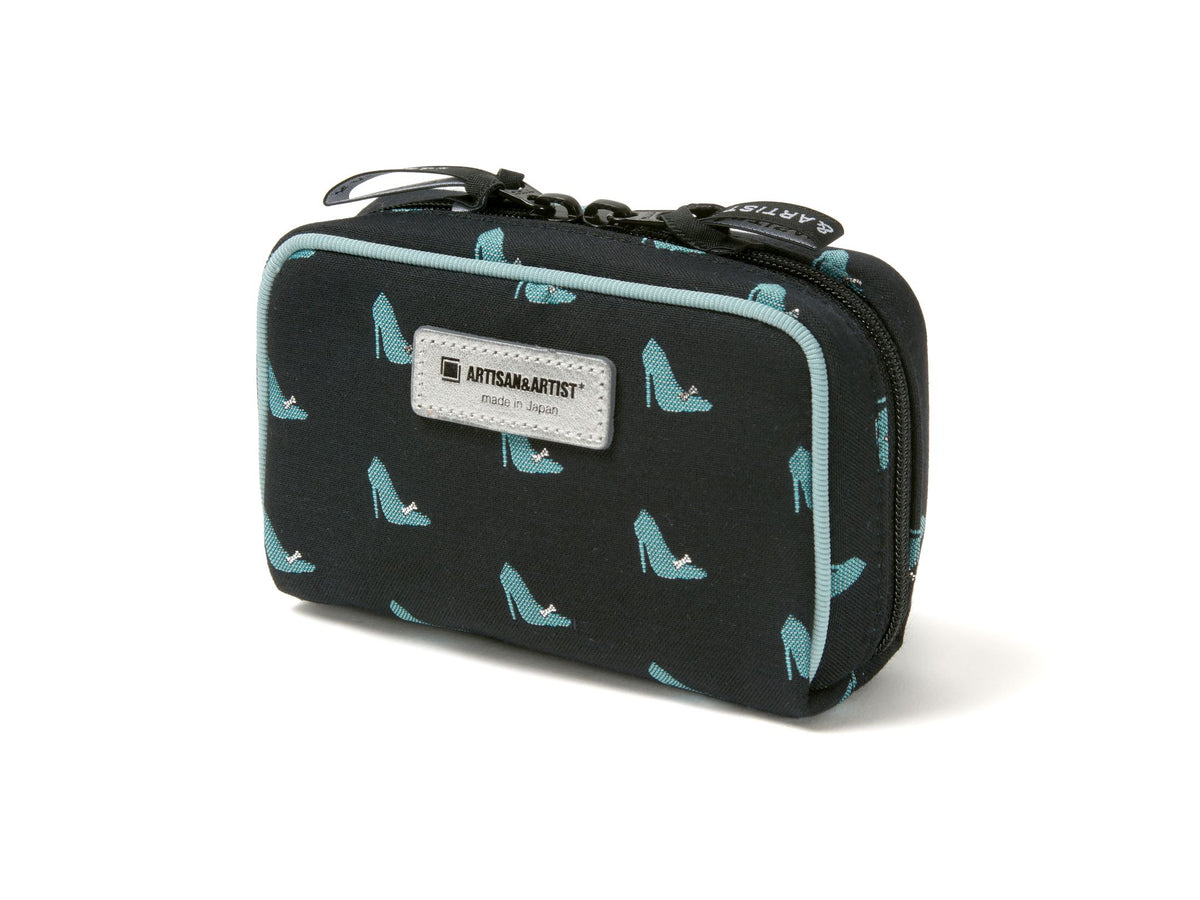
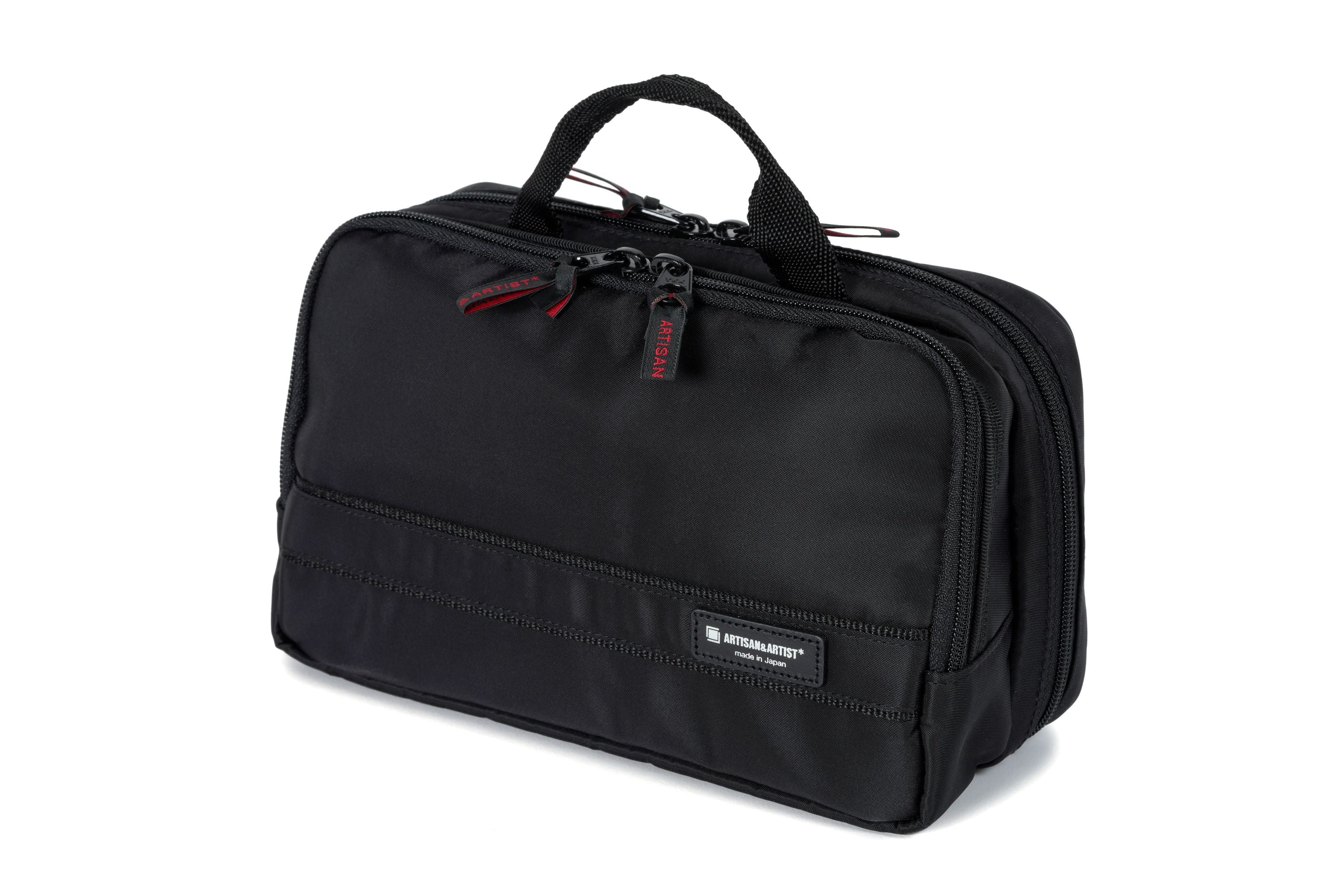
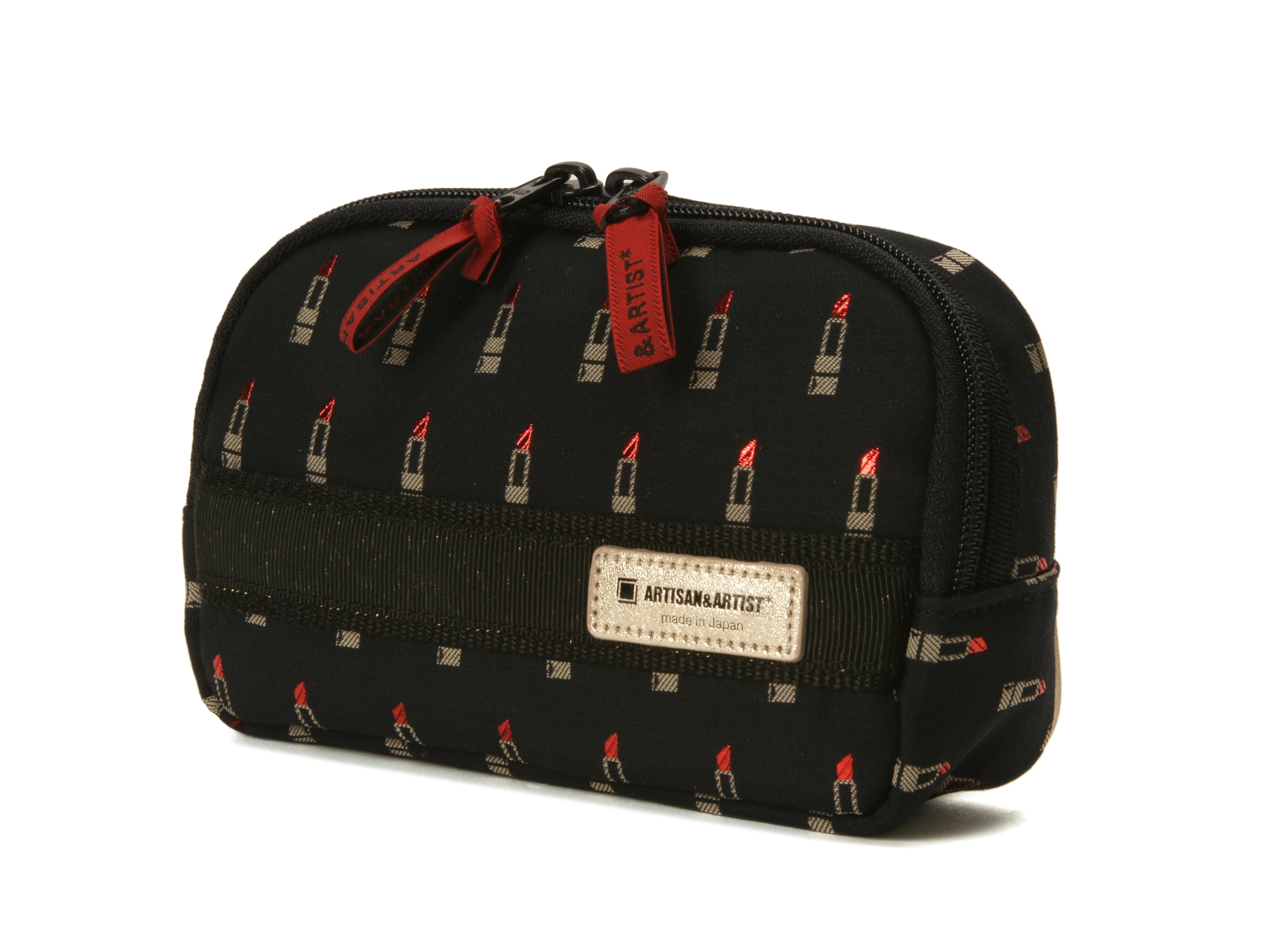
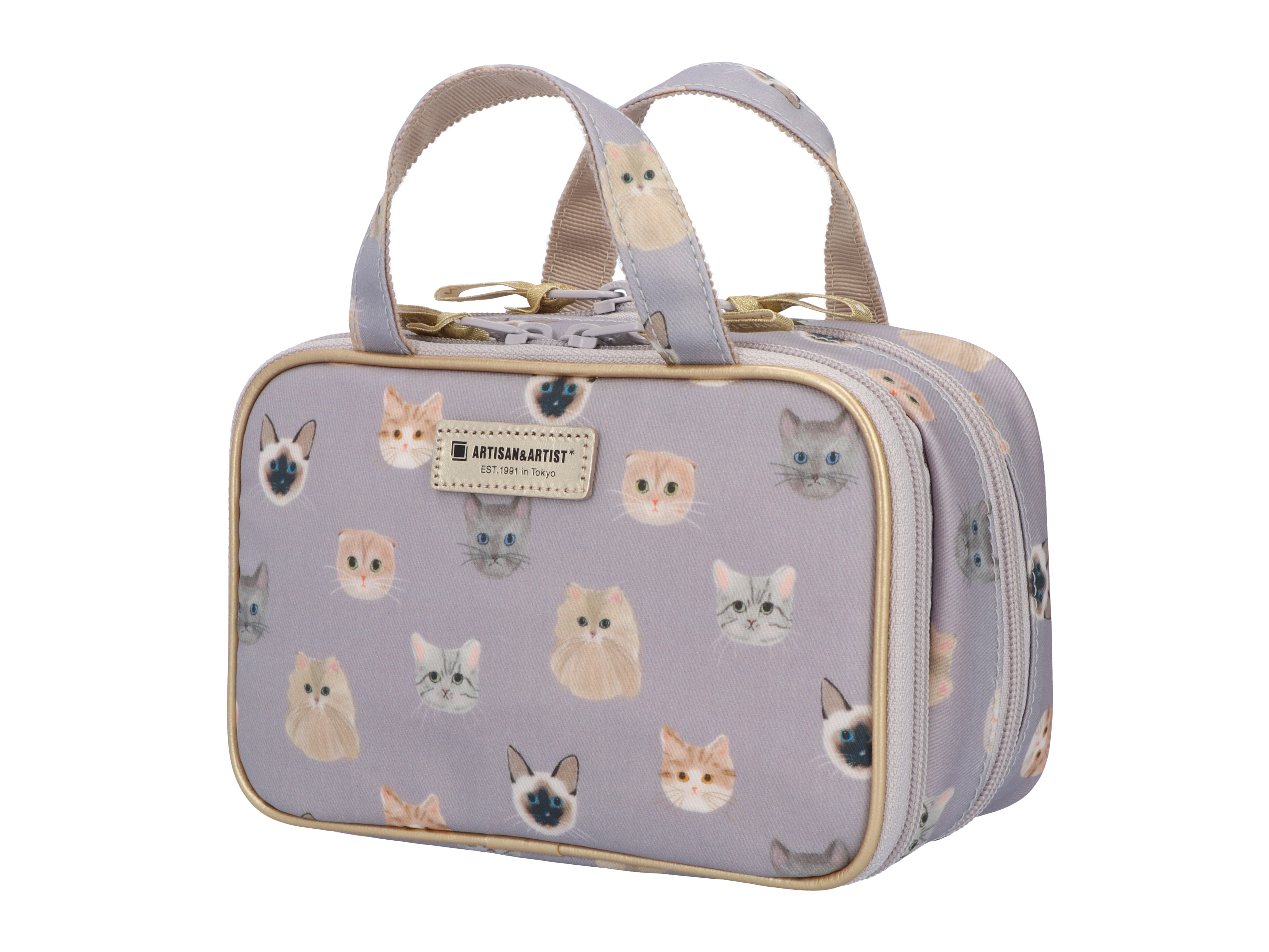
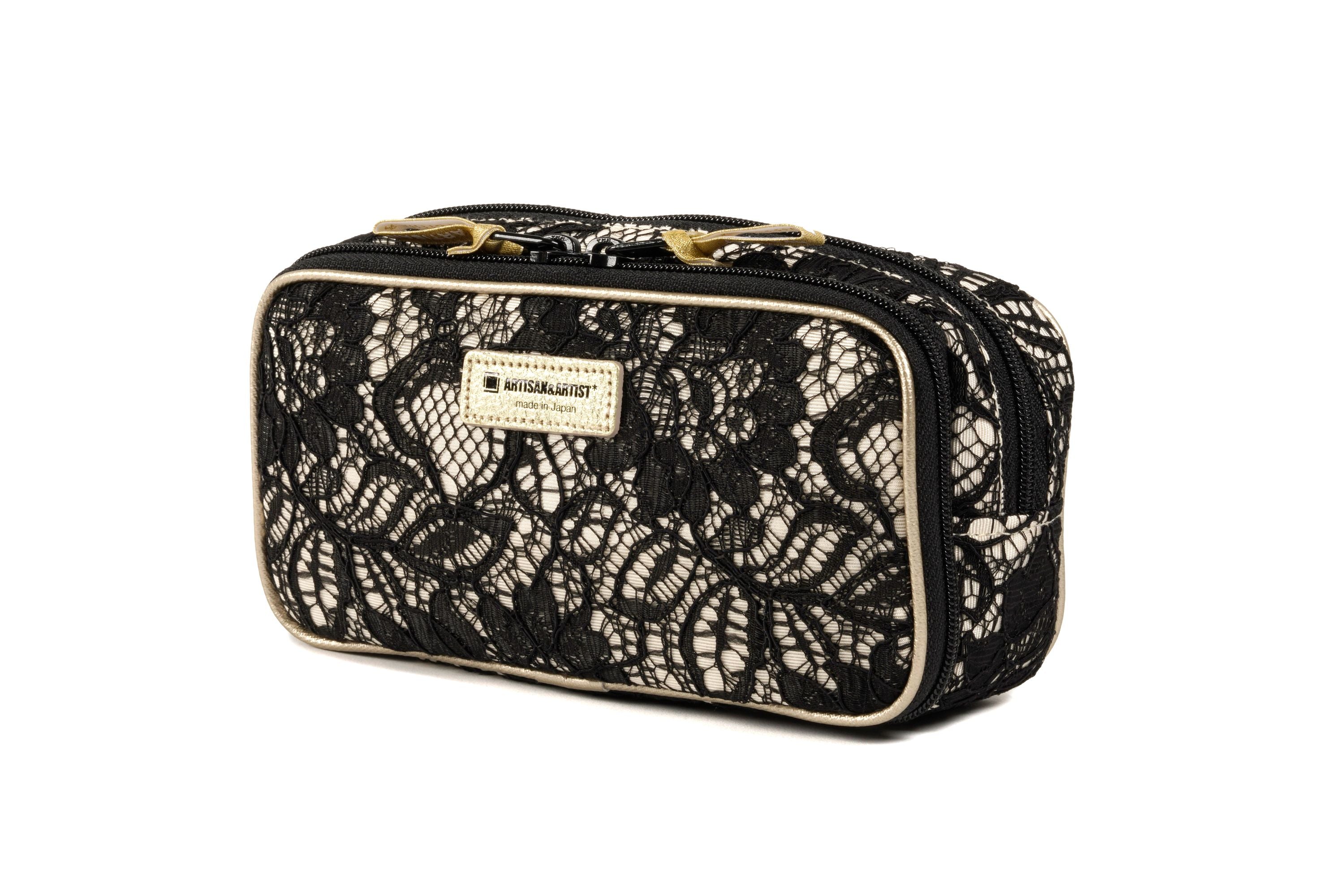
A traveler who has just been told that Japan still runs largely on cash needs somewhere specific to keep it, separate from a wallet that's already full of cards she won't use as often here. The Classic Monotone Slim Multi-Use Pouch (CM908) is built around a twenty-millimeter slim profile that still holds two to three small items, keys, and cards, with an outer pocket sized for a smartphone and an L-shaped zipper that opens across three sides for quick retrieval. That's the practical answer to the problem this list has just raised: a flat, dedicated place for yen, a transit card, and a phone, pulled out at a register without unpacking the rest of the bag.