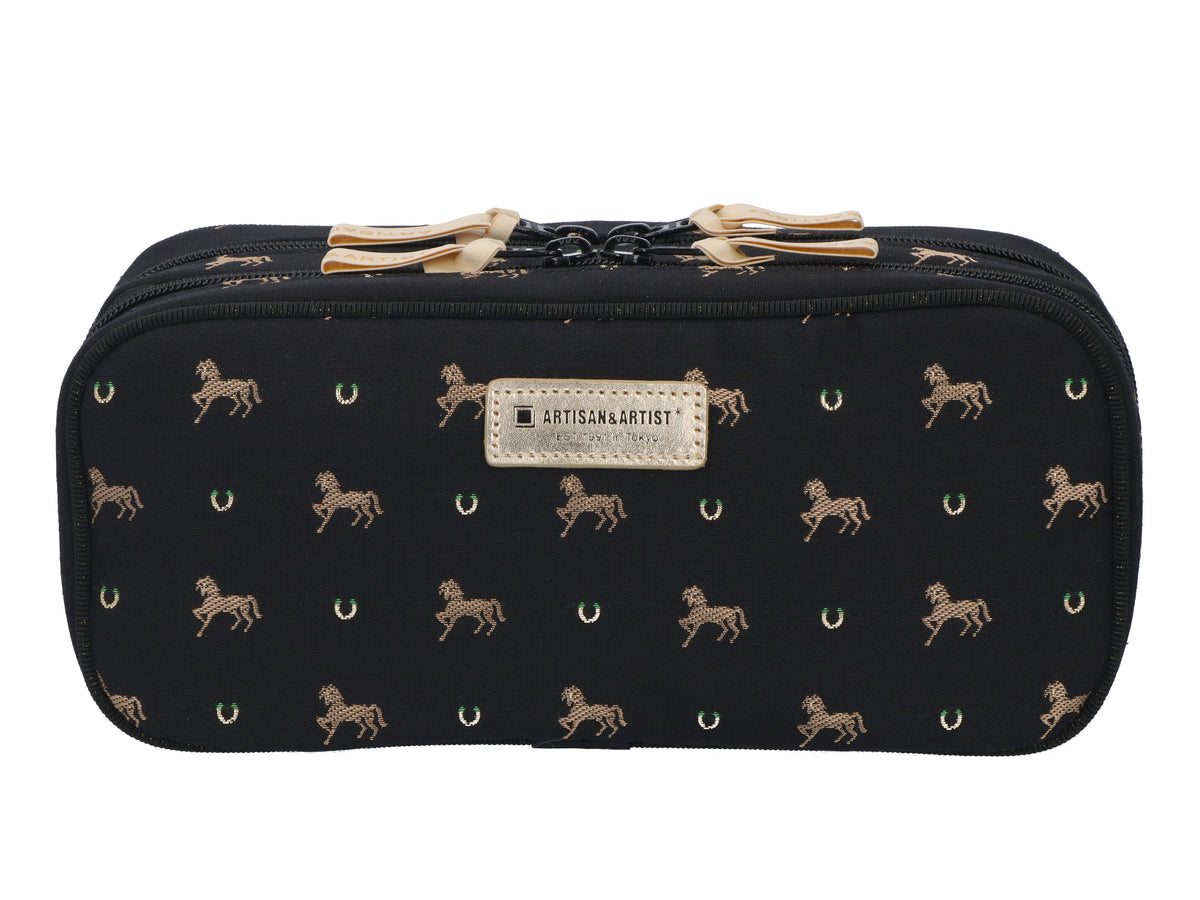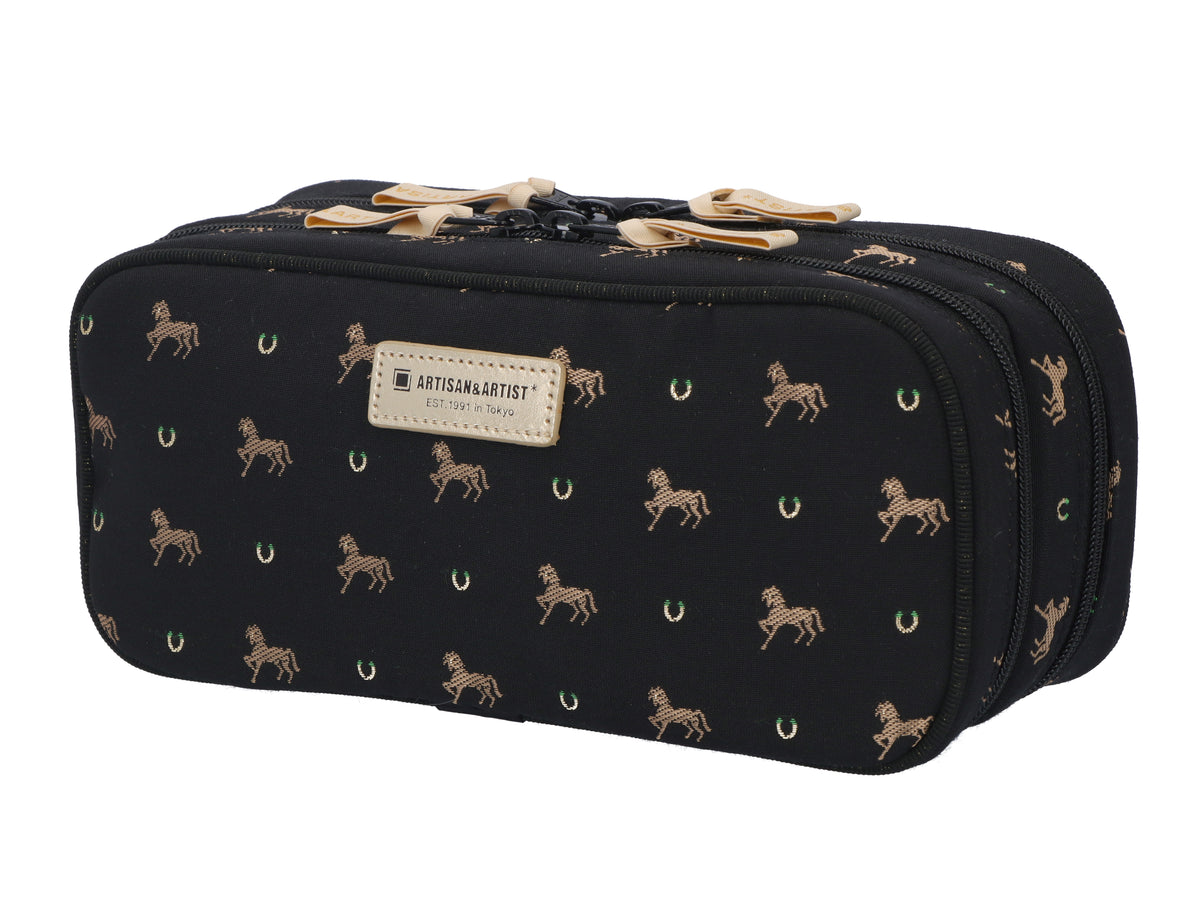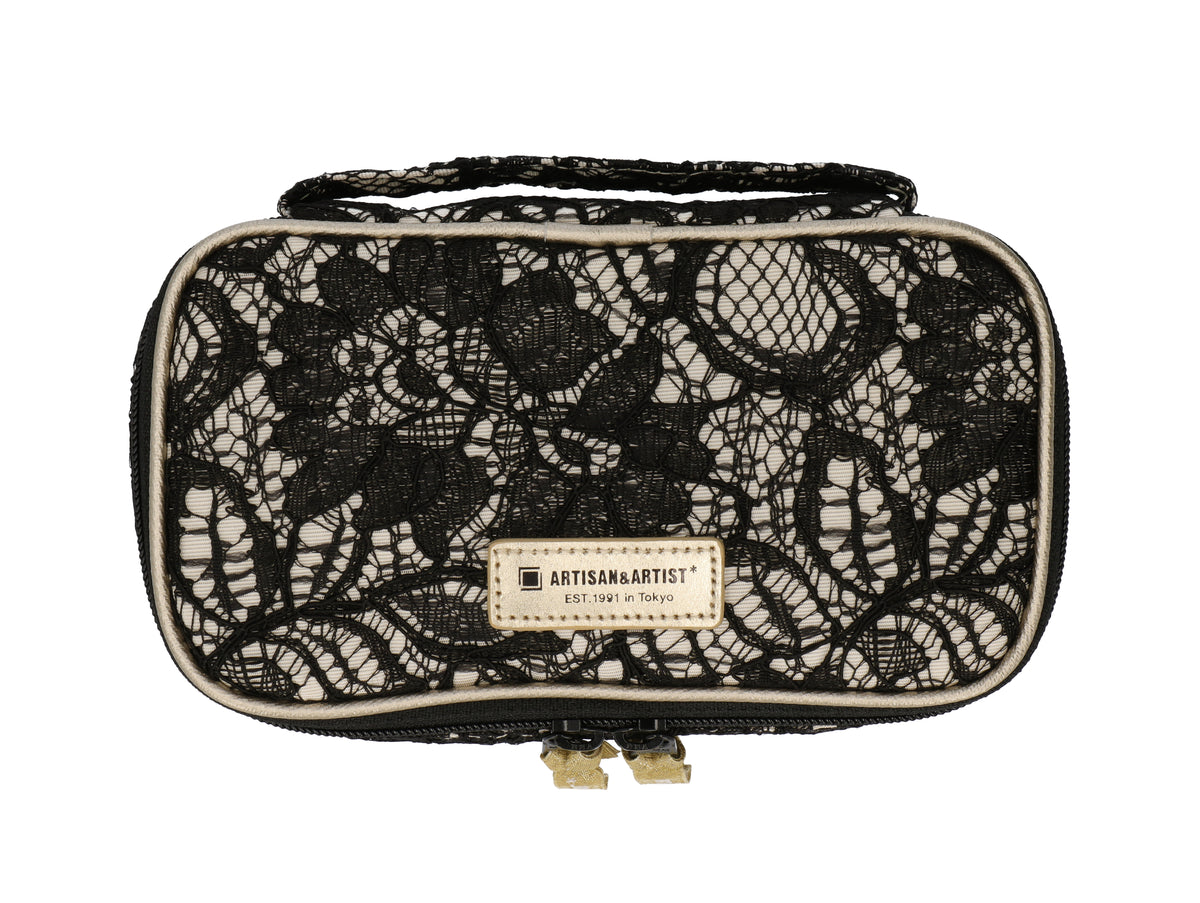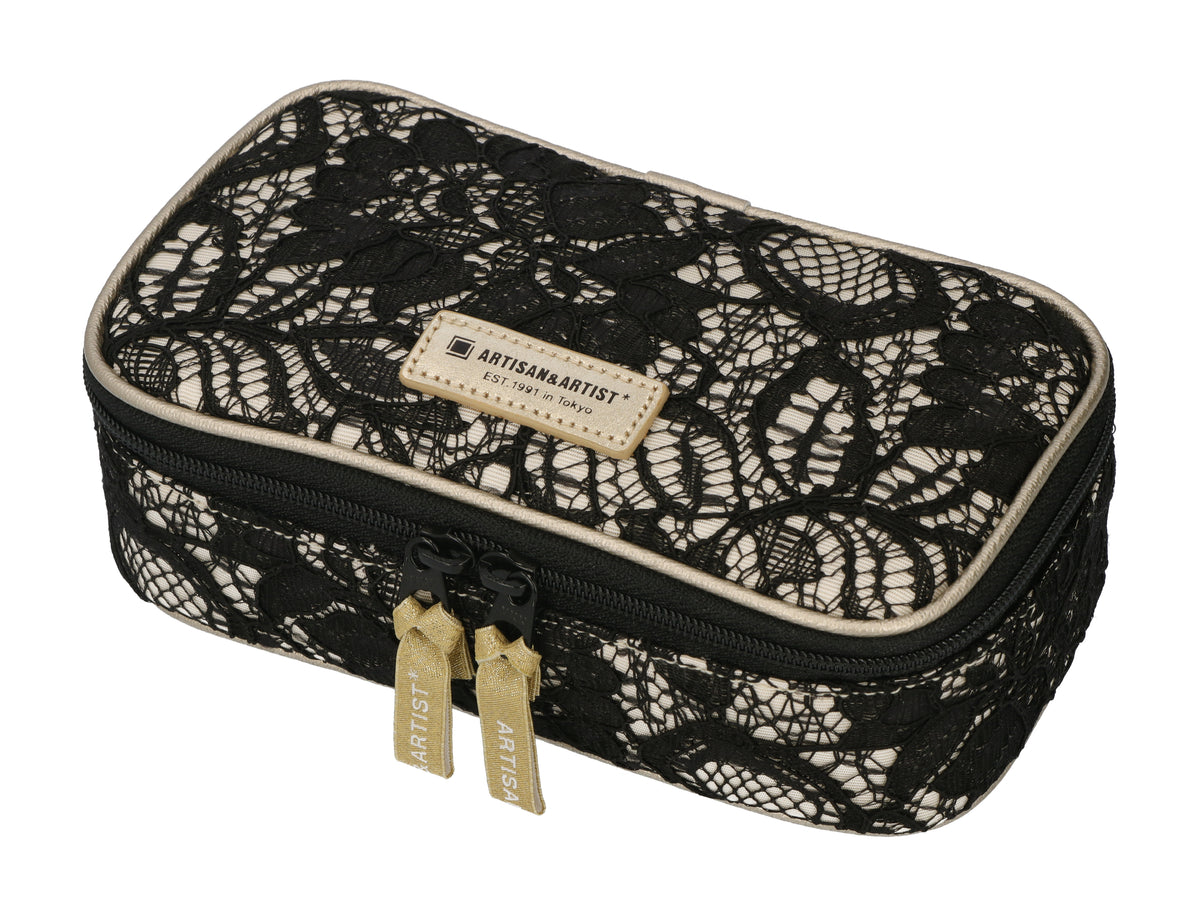
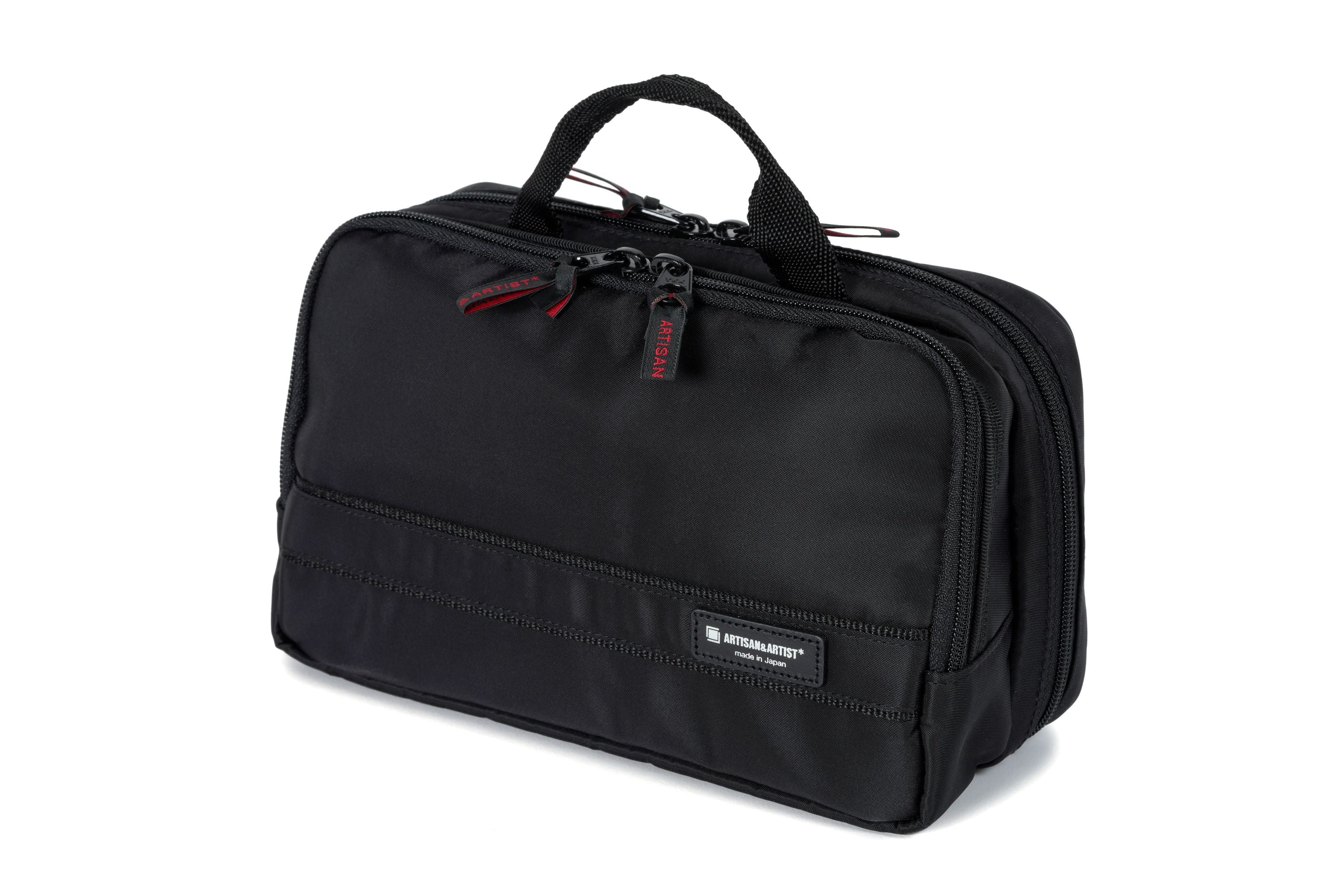
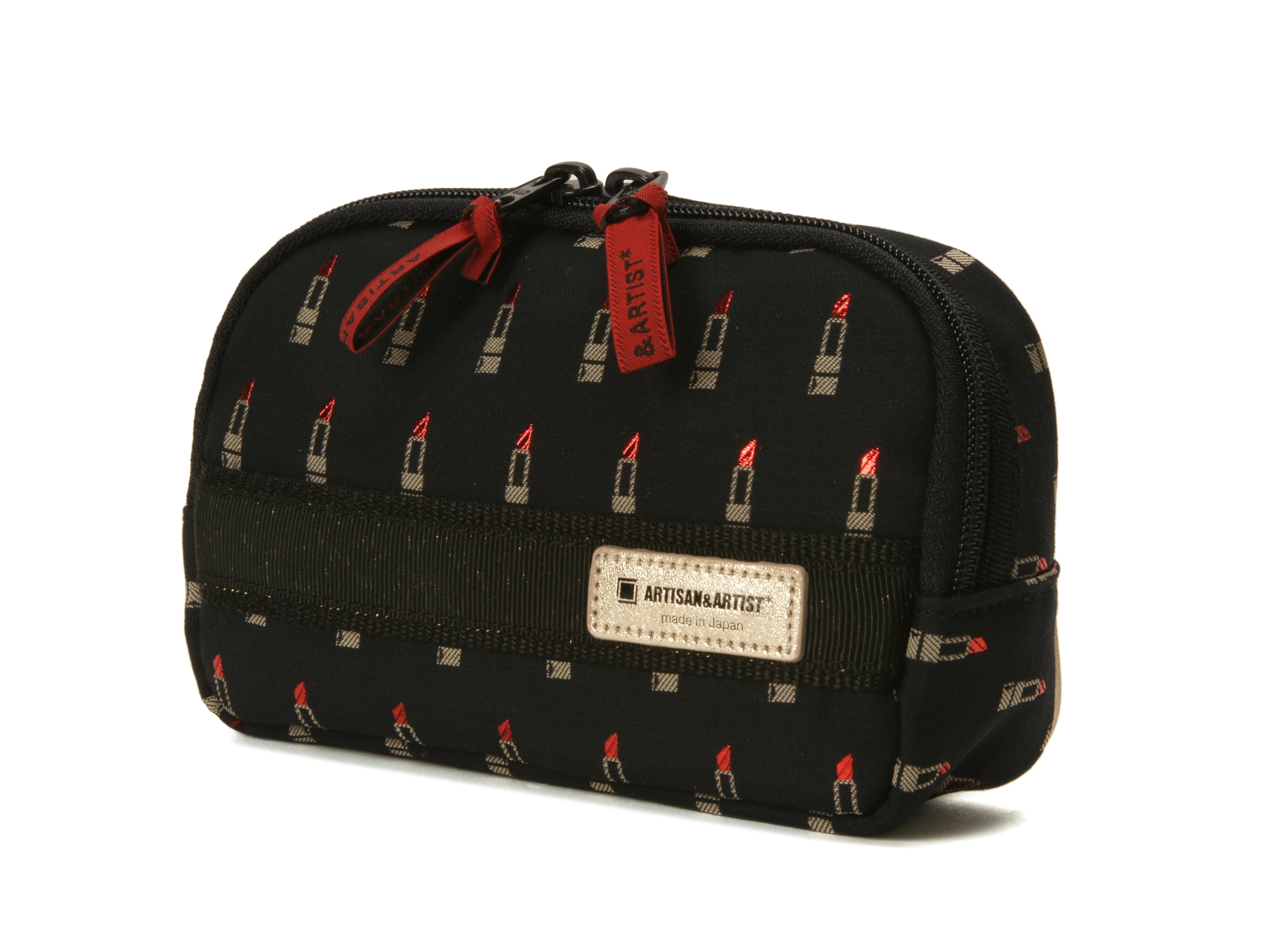
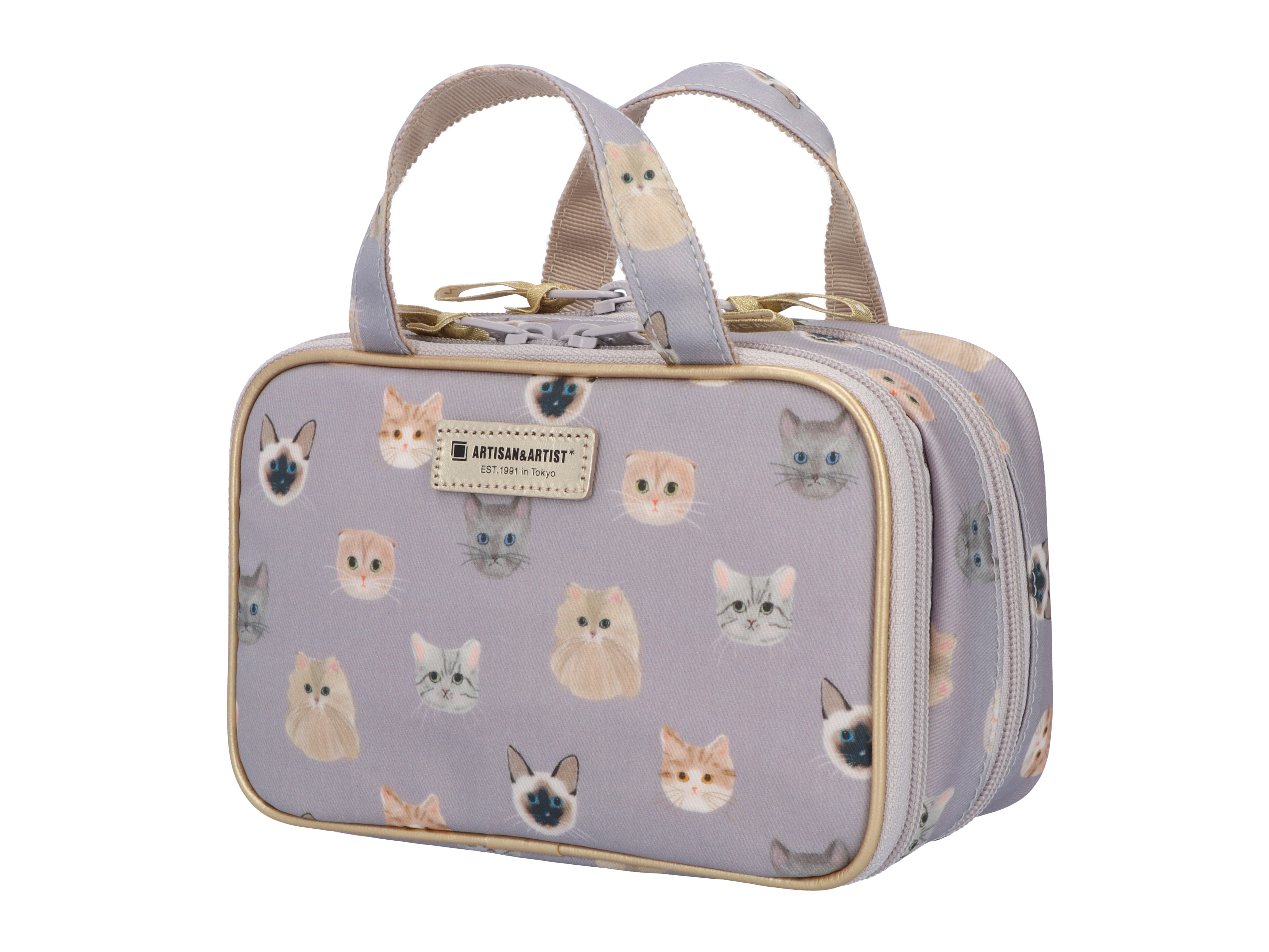
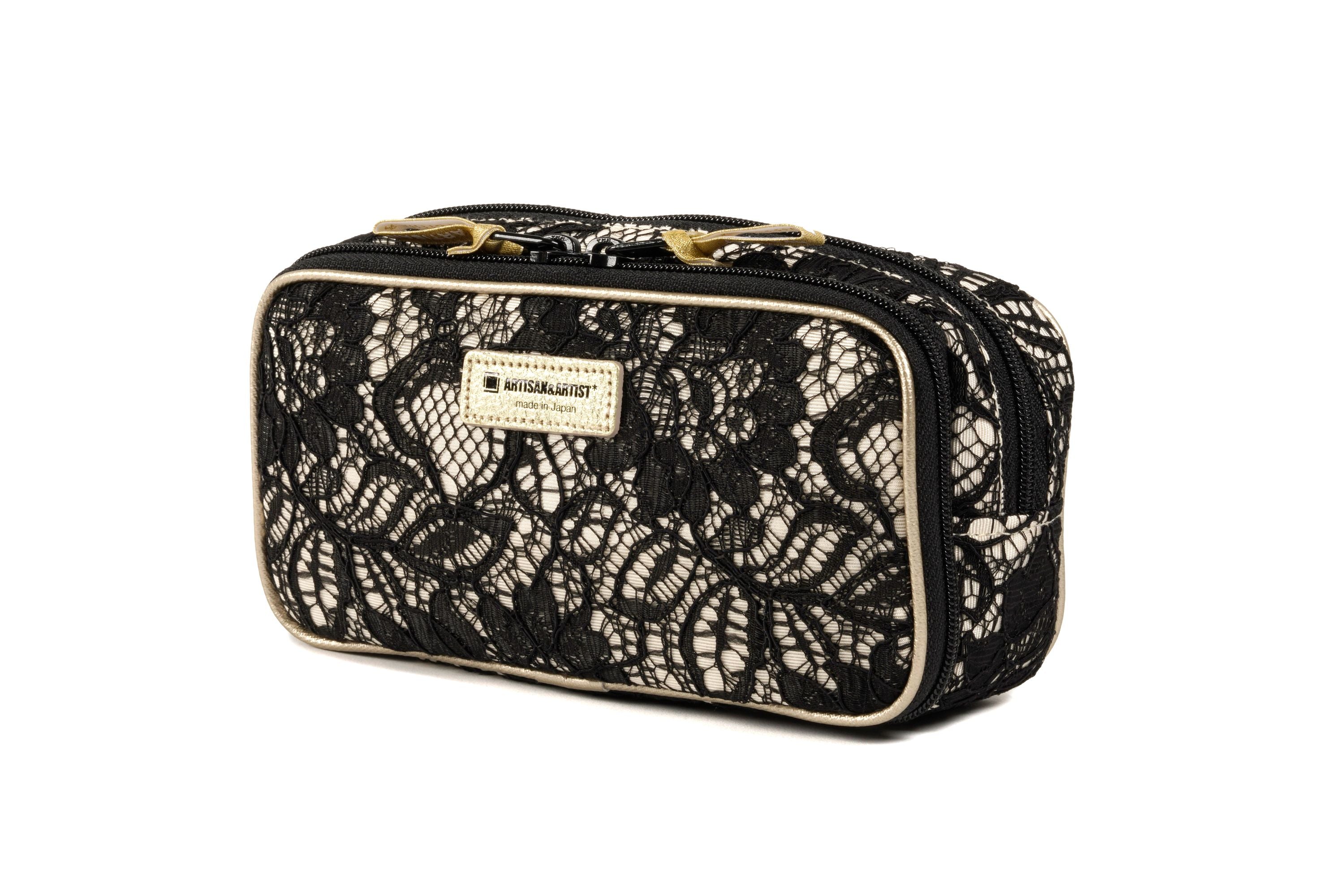
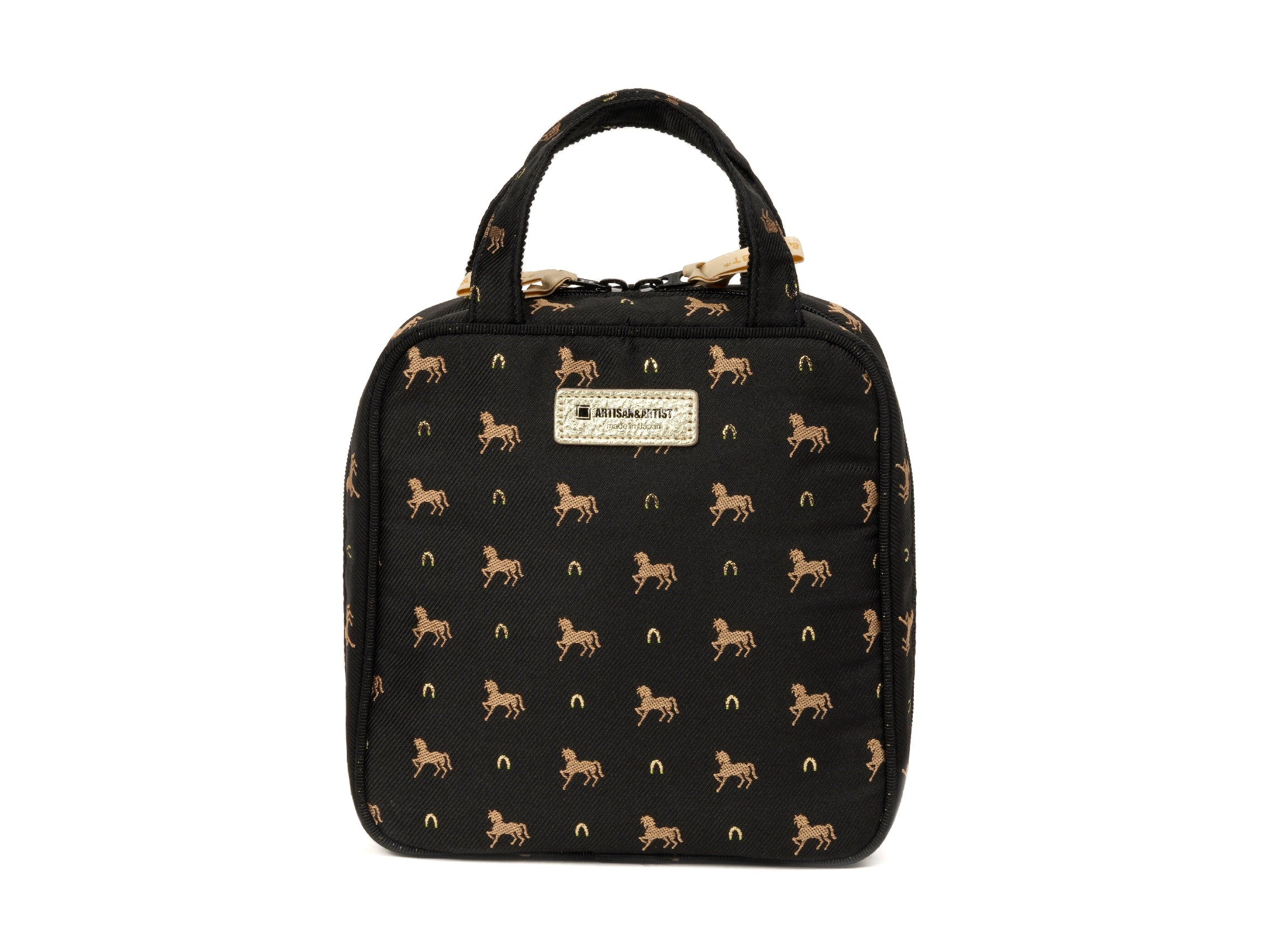
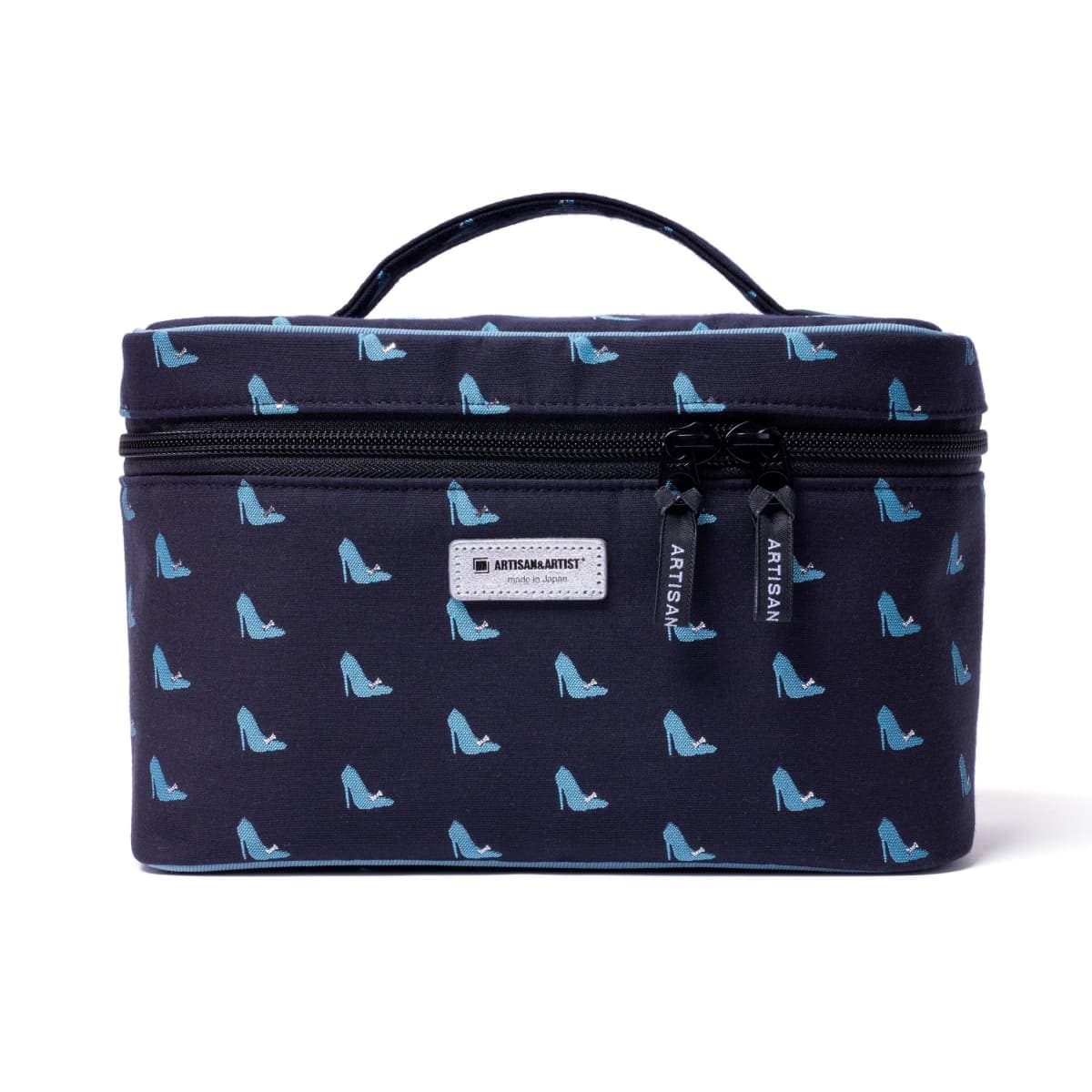

Every Artisan & Artist pouch starts from the same assumption: a place for everything, and everything in its place. That assumption has a name, and a history. The Tokyo workshop has built to it since 1991, not as a recent discovery, but as inherited practice.
What Actually Backs up That Claim

"A place for everything" is a pleasant thing to hear about a bag. It's a fair thing to want proof of, too, rather than take on faith.
For Artisan & Artist, that proof is a name and a history. The 5S method, seiri (sort), seiton (set in order), seiso (shine), seiketsu (standardize), and shitsuke (sustain), began on Japanese factory floors as a documented system for organizing physical work, and it's the real origin of the phrase this article opened with. The Tokyo workshop has built to it since 1991: a method with an industrial history behind it, carried into the construction of every pouch rather than adopted as a slogan.
That's what the rest of this article walks through: naming the system, and showing exactly where in the pouch each part of it lives.
What It Looks like in Construction

Three of the five principles show up directly in how a pouch is built, each as a specific, physical choice rather than a general claim about quality.
Seiton, setting in order, appears as fixed-position tool loops and holder flaps. A brush, a pen, or a small tool has one place it returns to, regardless of how full the rest of the pouch is. The item is never buried under whatever was packed afterward, because its position doesn't depend on what else is inside.
Seiso, shine, appears as contrast-colored interior lining. A dropped item against a dark lining disappears; against a lining in a visibly different shade, it's seen the moment the pouch opens. The color choice is a working feature, there so nothing gets lost inside its own container.
Shitsuke, sustain, is the hardest principle to build into an object, because it's about whether a system holds up over time rather than on day one. In a pouch, it shows up as base rigidity: a shape built to hold its form when empty, not only when full, so the organization inside doesn't collapse the one day the pouch isn't packed to capacity.
This is also where the boundary of this article sits. The shape and silhouette decisions, slope versus vanity versus micro pouch, and the construction behind that choice, diagonal cuts, interior brush holders, and vinyl base rigidity, are covered in full in [Makeup Pouch vs Vanity Bag: How to Choose the Right Shape]. This piece stays one level up: the craft tradition and the principle behind it, not the shape mechanics.
The same logic extends to why compartments matter in the first place: that argument, and the case for vertical over flat storage as a form of damage prevention, is made in full in [Makeup Bag Organizer]. And once a pouch is organized, keeping it that way over the months that follow is its own separate subject, covered in [How to Store Makeup Properly].
Which One, for Whom
Two pouches put these principles into practice in different, equally valid ways, and the choice between them comes down to how you actually want to see and use what you're carrying, not which one is better.

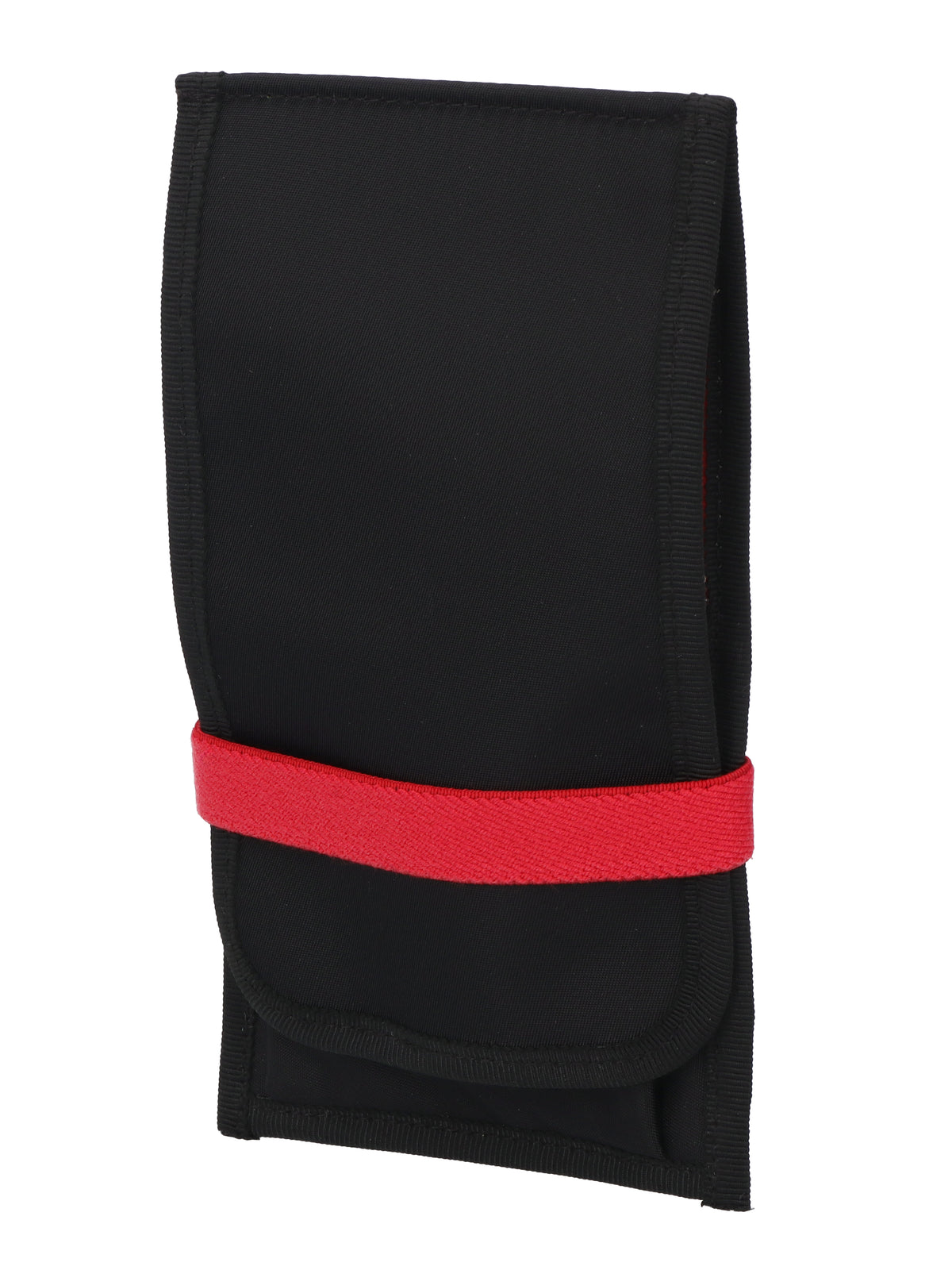
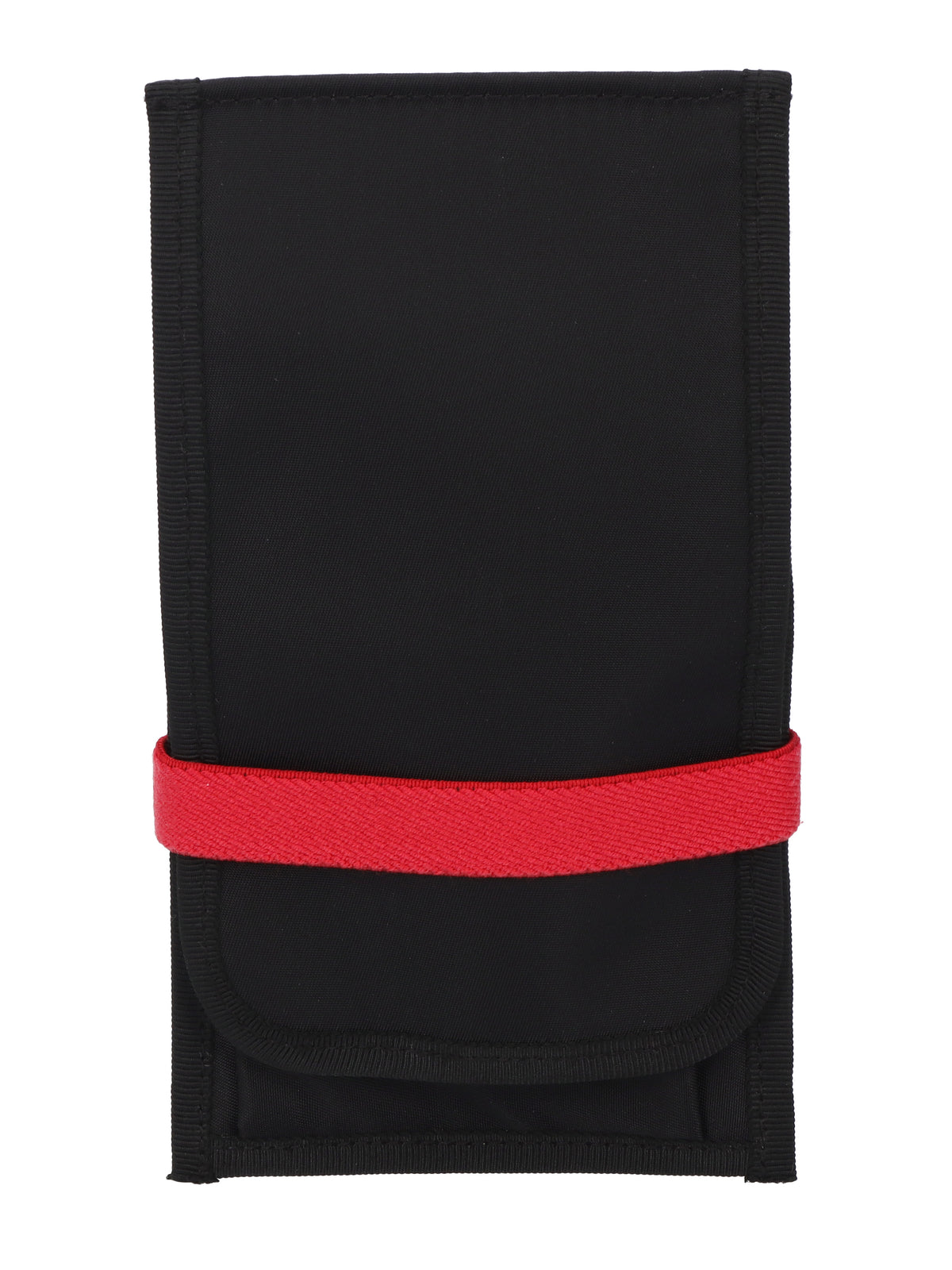
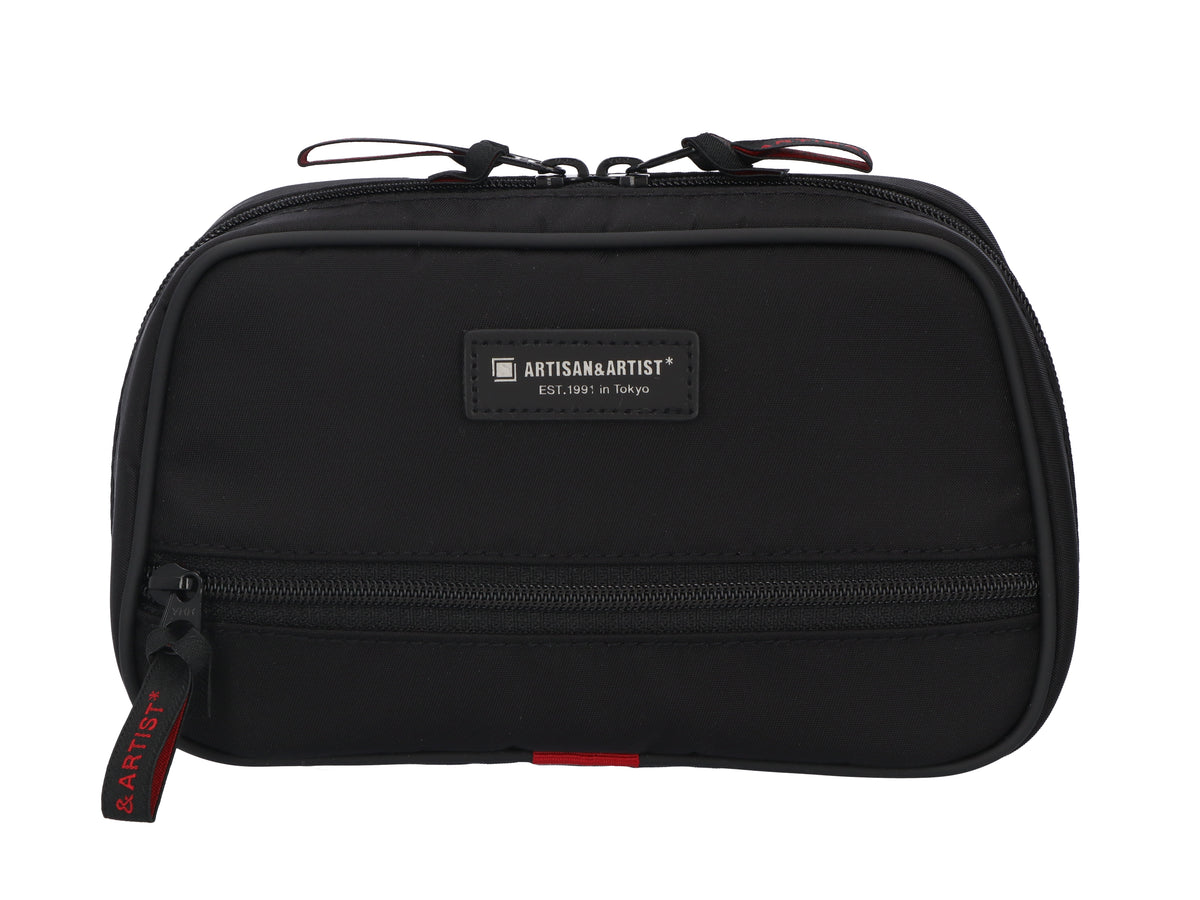
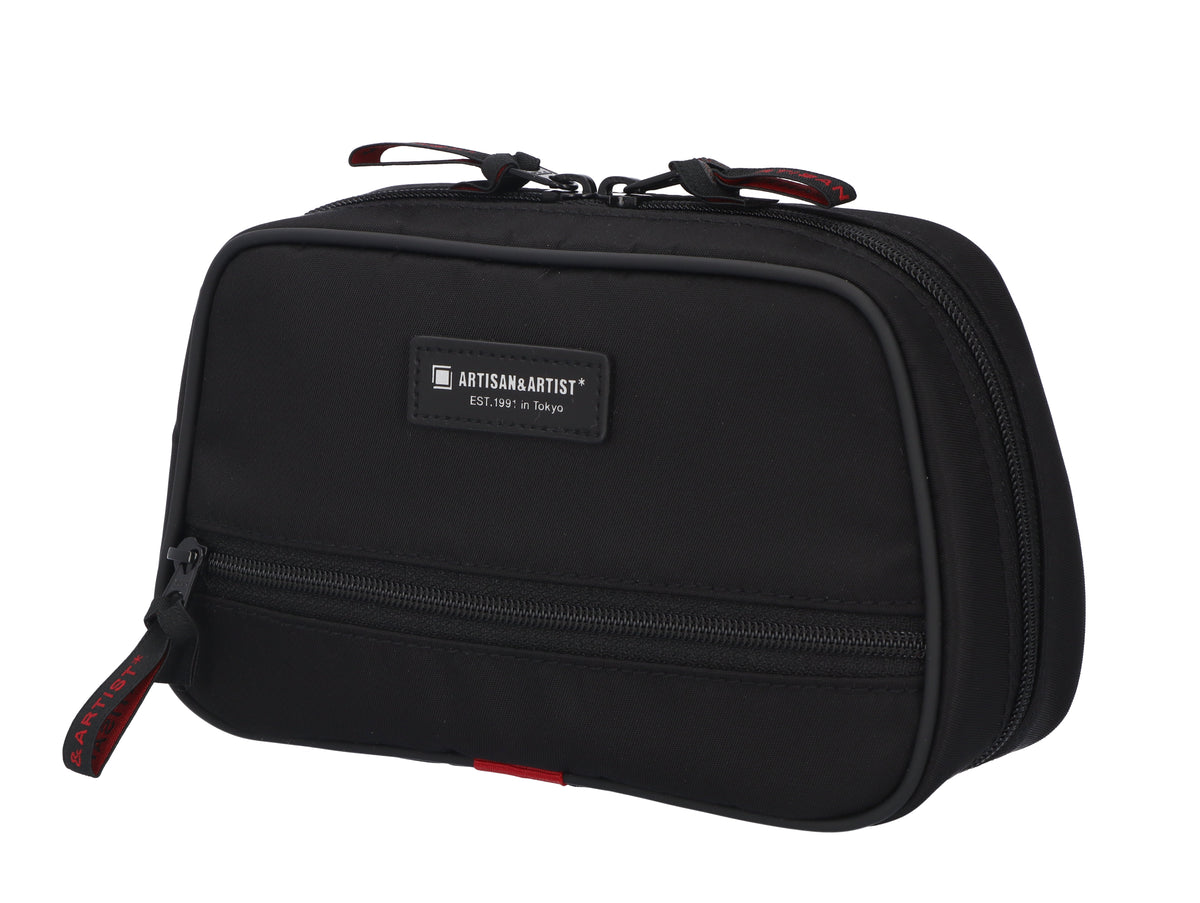
If you like to see everything at a glance: the Miss Panthère Slope Shape Pouch (MN110H) has a brush holder that folds forward the instant you unzip it, so nothing sits hidden behind anything else. Open it, and the layout is already there in front of you: the seiton principle made literal.

If you're paring down to fewer, better things: the Subtraction Daily Use Pouch (6WP-SB836) takes its name from hikizan, subtraction, a recognized idea in Japanese design discourse that favors reducing to the essential over adding more. Its ripstop construction, durable and light in a way more associated with mountaineering gear than cosmetics, gives that idea a second, concrete expression: less bag, more capability per ounce.
The Artisan Upgrade
Both pouches are confirmed active with stock in Shopify admin as of October 13, 2026, and both are new to the blog, which also resolves the Large Slope Shape family's repeated appearance across earlier articles.

If you want to open your pouch and see everything in its place without digging, the Miss Panthère Slope Shape Pouch (MN110H, ¥7,350) is worth considering. Its forward-folding brush holder is visible the moment the zipper opens, which is the everyday-visibility argument above, built into the bag itself rather than asserted about it.

If you're simplifying your life by focusing on fewer, but higher-quality items, the Subtraction Daily Use Pouch (6WP-SB836, ¥9,967), also available in Ivory and Yellow) is another option. The name states the idea directly, and the ripstop construction is a craft detail worth knowing about on its own, independently.
Between the two, they demonstrate both arguments this article has made rather than pointing to a single, single-answer recommendation. Either is a reasonable place to start.
Frequently Asked Questions
What is the Japanese 5S method?
A system for organizing physical work, developed on Japanese factory floors, built around five principles: sort, set in order, shine, standardize, and sustain. It's the documented origin of the phrase "a place for everything, and everything in its place."
What do seiri, seiton, seiso, seiketsu, and shitsuke mean?
Sort, set in order, shine, standardize, and sustain. Each is a distinct discipline: removing what doesn't belong, giving what remains a fixed place, keeping it visibly clean, making that standard repeatable, and making it last.
How does Japanese manufacturing discipline apply to everyday objects like a makeup pouch?
The same principles that organize a factory floor translate directly into how a pouch is built: fixed positions for tools and brushes, interior lining that makes a dropped item visible immediately, and a base rigid enough to hold its shape whether the pouch is full or nearly empty.