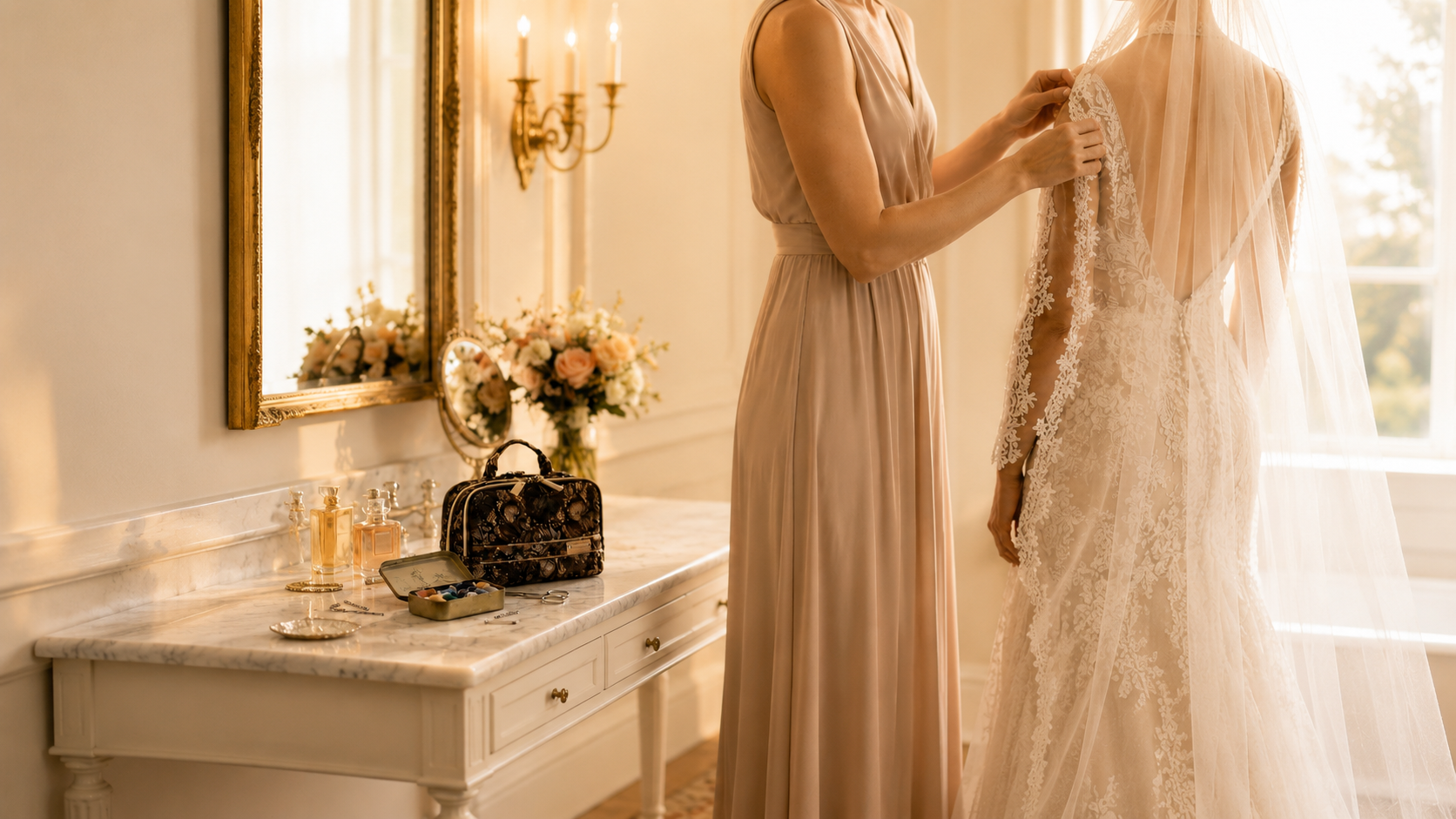

The role is understood, almost universally, as a ceremonial one. The maid of honor stands closest to the bride, holds the bouquet through the vows, signs as a witness, and gives a toast that the room either remembers for years or politely forgets by dessert. That is the version of the job most people picture when they are asked, and it is the version most of us say yes to before thinking it through. It is also the smallest part of it. Maid of honor duties are, in practice, several months of background logistics that nobody photographs, and the ceremony is the brief public appearance at the end of them.
If you said yes on instinct and are now trying to work out the shape of what you agreed to, here it is, in roughly the order it will arrive.
What the maid of honor is actually for

A wedding generates a volume of small decisions that the couple cannot reasonably carry alone, and a second volume of emotional weather that they should not have to manage in public. Your job is to absorb a defined share of both. The first is delegation. The second is harder to name and matters more.
Bridesmaids can be handed tasks. The maid of honor holds the context: which relative is difficult and why, which vendor is behind schedule, what the bride has already decided and does not want reopened. She is the person the bride can speak frankly to at eleven at night without it becoming a family matter by morning.
So the useful way to understand the duties of a maid of honor is not as a list of responsibilities but as two standing commitments. Run a workstream competently, and be reliably available. Everything below follows from those two.
Before the wedding: the months nobody sees

The work arrives in a predictable sequence, and knowing the sequence is most of the battle.
Engagement to about nine months out
Mostly presence. Celebrate properly, then be available for the early anxiety about guest lists and budget. Offer opinions when they are asked for and be careful about volunteering them when they are not. Somewhere in this period, say clearly what you can give in time and in money. That conversation is far easier in month one than in month seven.
Nine to six months out
The wedding party takes shape. You will often help the bride think through who is in it, then become the administrative center of the group: collecting measurements, coordinating dress orders, chasing the person who has not replied, tracking who has paid for what.
Six to three months out
The bridal shower, and usually the bachelorette. These are yours to lead. They are also the only part of the wedding where your judgment sets the tone rather than the bride's, so lead them in her taste rather than yours.
Three months to the final week
Confirmations. Fittings, transport, accommodation for out-of-town bridesmaids, and the seating question that someone will raise late. Write the speech in this window, not the night before.
The last seven days
Gather the things you will personally be responsible for on the day: the rings if you are holding them, the vow book, the marriage license if the couple has asked you to carry it. Get the timeline in writing from the planner or venue coordinator so you are not the one guessing at eight in the morning.
What you're expected to pay for, and what you're not
The prevailing convention in the United States, and across most British and Australian weddings, is that the wedding party pays for its own presentation and its own travel. That means the dress, alterations, shoes, hair and makeup if the bride has arranged a group booking, flights, and accommodation. The maid of honor customarily contributes to the shower and the bachelorette, and often organizes how those costs are split across the bridesmaids.
This is the part of the role where custom varies most. In many families, and in much of Asia, the couple or their parents cover a far larger share, and the wedding party is expected to contribute time rather than money. Ask early what the expectation is in this particular family rather than assuming the version you read online. The principle below holds regardless of which convention applies.
What you are not expected to pay for is any part of the wedding itself. Not the flowers, not the favors, not the gap when a vendor raises a price in month eight. If you choose to cover something, that is a gift, and it should be treated as one rather than absorbed into the budget as an assumption.
The move that prevents most friction is naming your number early and privately. A single sentence works: here is what I can put toward the shower and the bachelorette, and here is my ceiling for travel. Said in month one it sounds organized. Said in month seven it sounds like a withdrawal.
Planning the bridal shower without losing your mind

A bridal shower checklist is more useful as a sequence than as an inventory, because the order is what keeps the cost and the guest list under control.
Eight weeks out: confirm the date with the bride, get the guest list from her in writing, and agree on the budget with everyone contributing.
Six weeks: lock the venue, whether that is a private room or a host's home, and send invitations.
Four weeks: food, drinks, and any rentals. Confirm dietary requirements as replies come in.
Two weeks: decorations, the registry link if the couple is using one, and one or two activities that suit the actual guest list rather than the ones you saw online.
The week of: a written running order, someone assigned to record gifts as they are opened, and a plan for getting those gifts home.
Two decisions that will save the most trouble are to take the guest list from the bride directly, so nobody is accidentally omitted and the blame does not land on you. And settle the home-versus-venue question early, because the budget, the timing, and the amount of work you personally do all follow from it.
How to divide the work among the bridesmaids

Most people want to know how many bridesmaids is normal before they think about what the bridesmaids will actually do. Three to five is the usual range in the United States and the United Kingdom. Larger parties are common at bigger weddings, at family-heavy ones, and in traditions where every sibling and cousin is included as a matter of course, which is closer to the norm than the exception in a great many places. The number matters much less than the division.
Divide by area, not by task. A task list needs a manager, which becomes another job for you. Ownership does not. Give one person the shower, one the bachelorette, one group logistics such as dresses, measurements, and payments, and one the day-of timeline. If the wedding party is small, take two areas yourself and keep the principle intact.
Two group chats also help more than they should: one that includes the bride for announcements, and one without her for coordination, so she sees decisions rather than deliberation.
The speech

Two to three minutes. One specific story that shows who the bride is rather than a general claim that she is wonderful. Address the partner directly at least once, because a toast that forgets half the couple is a toast the family notices. Close on the two of them rather than on you.
Write it three weeks out, read it aloud twice to hear where it drags, and print it on a card. Phones die and screens dim. Resist the urge to build confidence at the bar beforehand.
On the day itself

Your position is beside her and slightly behind, and your practical job is to be findable. You will be handed things continuously across fourteen hours: her phone, her lipstick, the rings, the vow book, cash for someone who forgot, a pair of glasses, a ring box that needs to disappear before the photographs. What belongs in a wedding emergency kit, and who should be carrying it, is covered in full in our wedding day emergency kit checklist. Assemble it the week before, and do not leave it in the hotel room.
Preparation as a form of care

There is a reason this role goes to one person rather than being spread evenly across the party. Someone has to hold the whole picture, and holding it is a form of attention that the bride will feel even when she cannot name it. The speech is the part that gets remembered. The months of quiet administration are the part that made the day possible, and almost none of it will be visible in the album.
That is the nature of preparation. Done well, it disappears. What remains is a bride who was not asked to solve anything on the morning of her wedding, which is the actual gift.
Frequently asked questions
What does a maid of honor pay for?
Her own dress, alterations, shoes, and travel, plus a share of the bridal shower and the bachelorette. She does not pay for any element of the wedding itself. Anything beyond her own presentation and those two events is a gift rather than an obligation.
What are the rules of a maid of honor?
There are conventions rather than rules, and maid of honor duties vary more between families than most guides admit. The consistent ones are these: lead the shower, coordinate the bridesmaids, sign as a legal witness where the couple asks you to, give the toast, and be the bride's first point of contact for anything she does not want to raise with family. Everything else is negotiable between the two of you.
Who walks down the aisle with the maid of honor?
In a traditional processional she walks alone, immediately before the flower attendants and the bride, and stands closest to the bride at the altar. Many couples now pair the wedding party, in which case she walks with the best man. Confirm at the rehearsal rather than assuming.
How far in advance should the maid of honor plan the bridal shower?
Begin about eight weeks out and hold the shower itself somewhere between four weeks and two months before the wedding. Earlier risks guests forgetting the date; later collides with fittings, final payments, and out-of-town arrivals.
The Artisan Upgrade
Once you know what you will be carrying, the container becomes a practical decision rather than a stylistic one. Across a fourteen-hour day you will move from a hotel suite to a ceremony to a reception, and you will need to produce one small item at a time, often standing in front of guests, without opening something that looks like luggage.

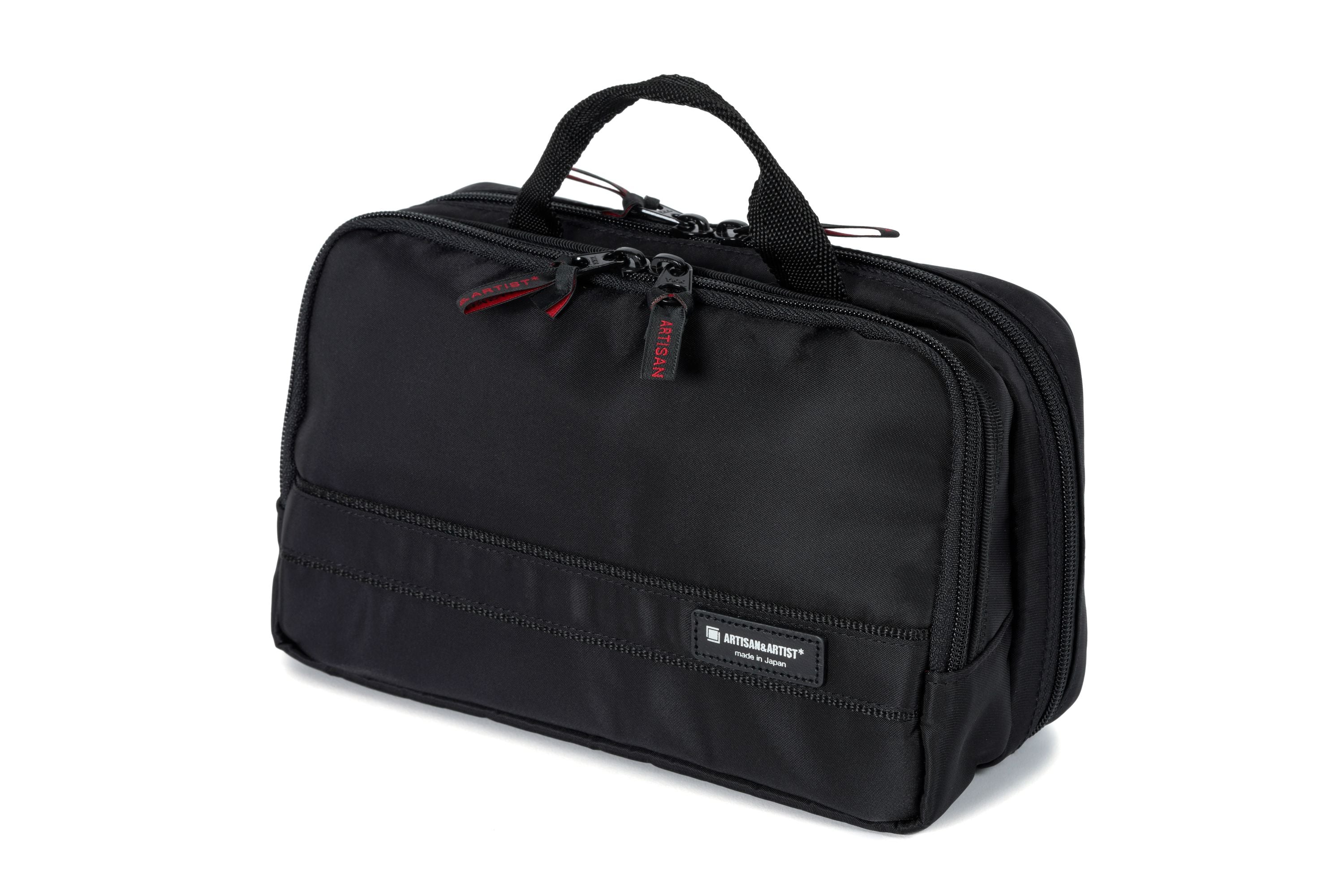
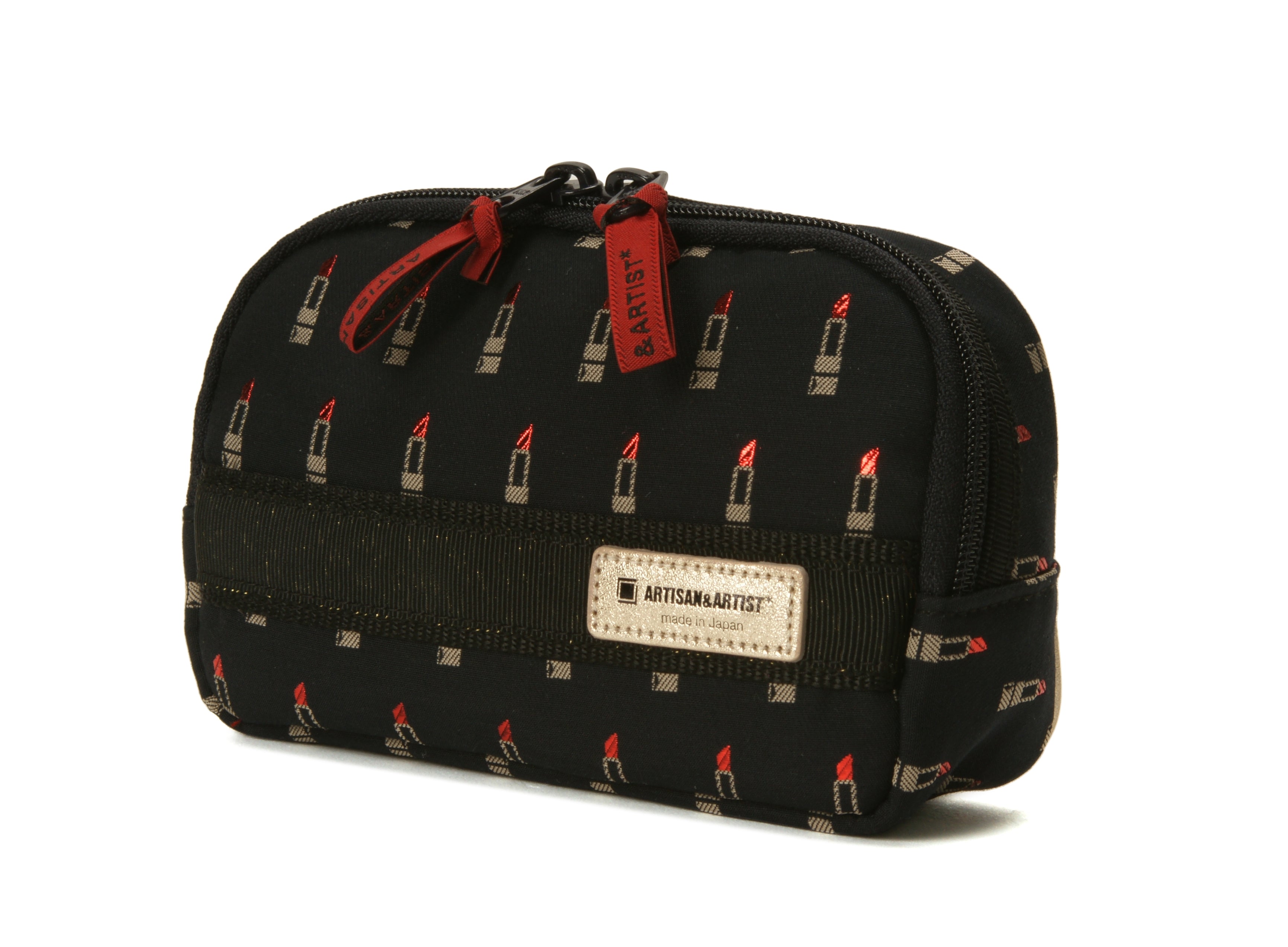
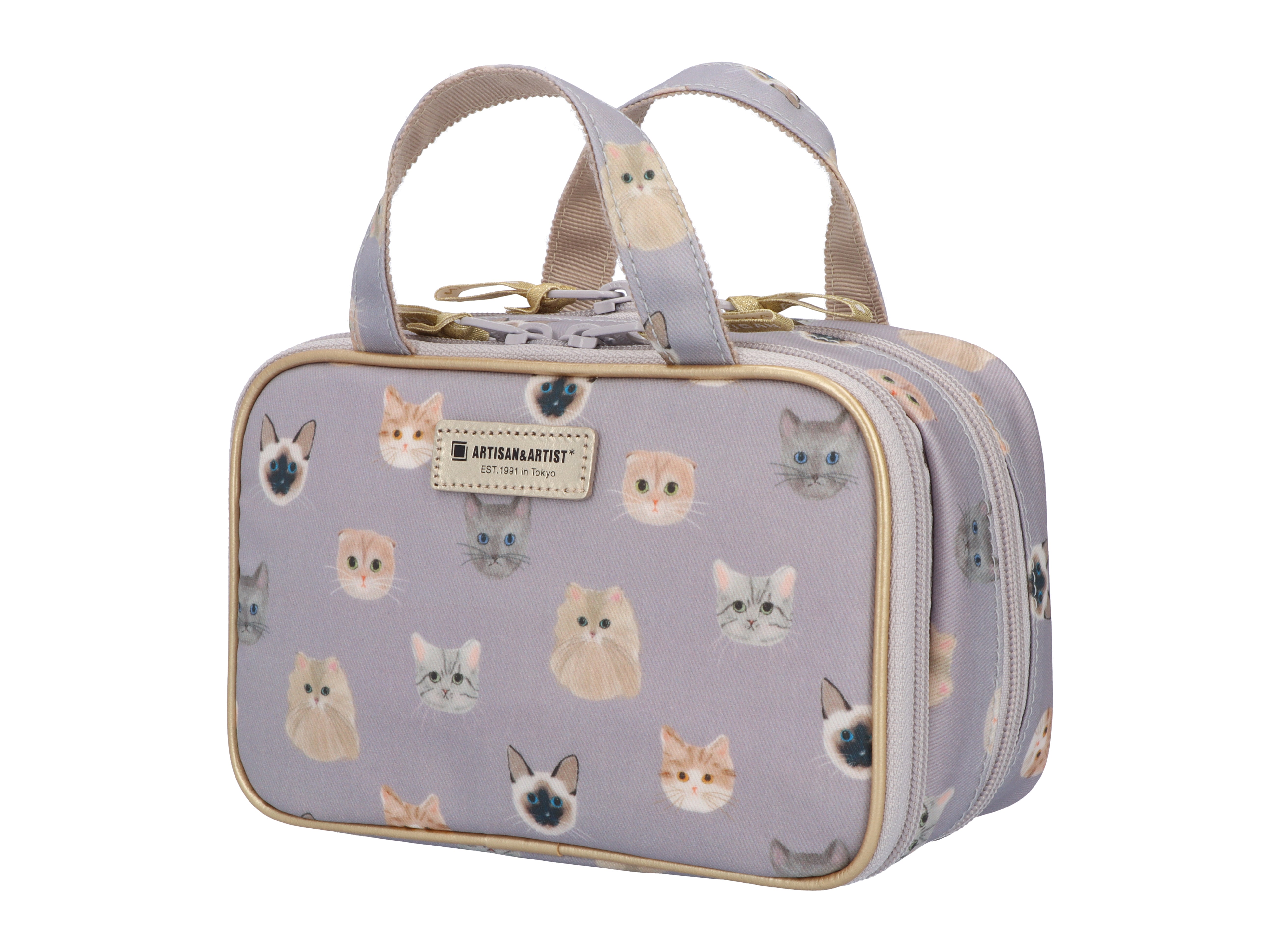
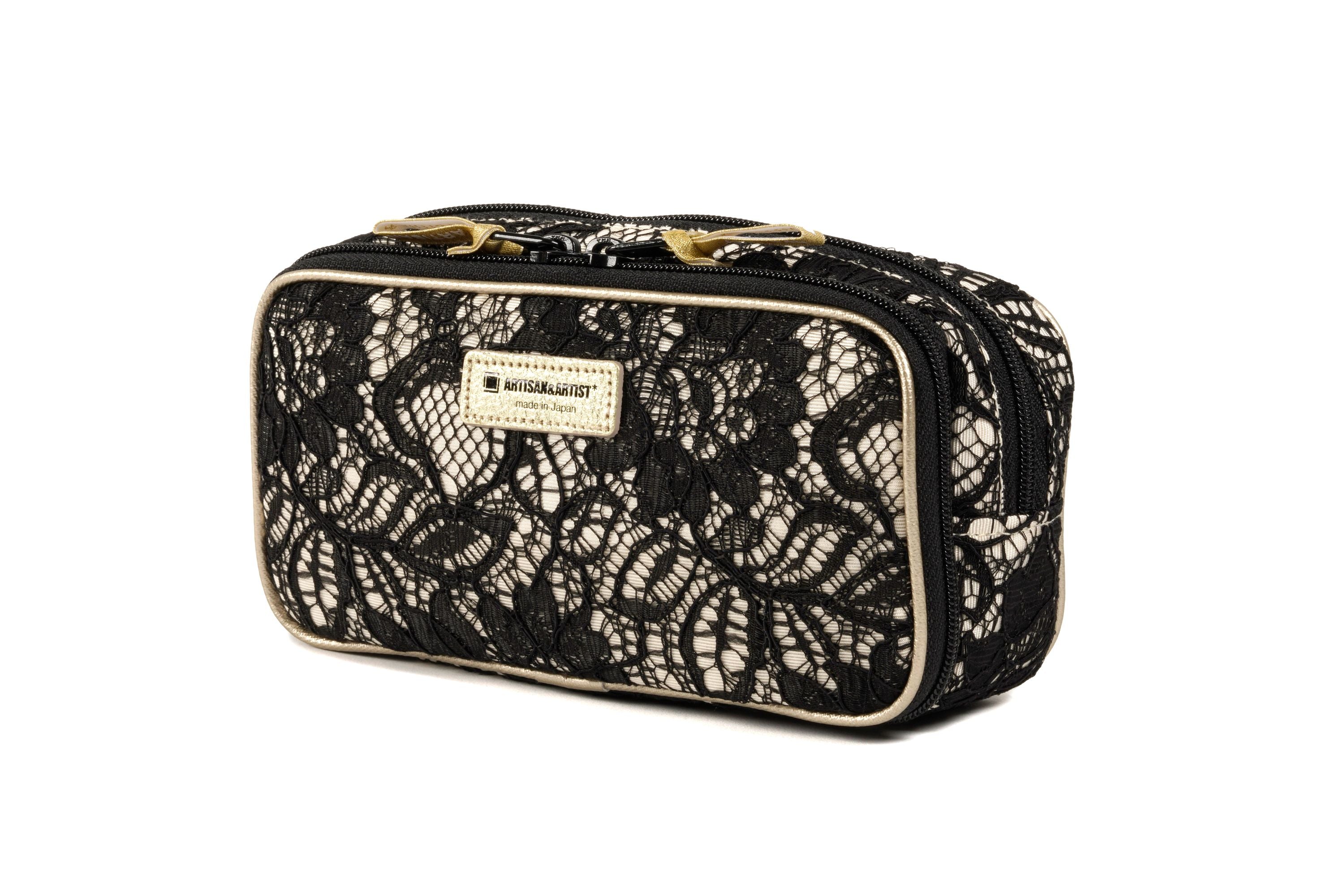
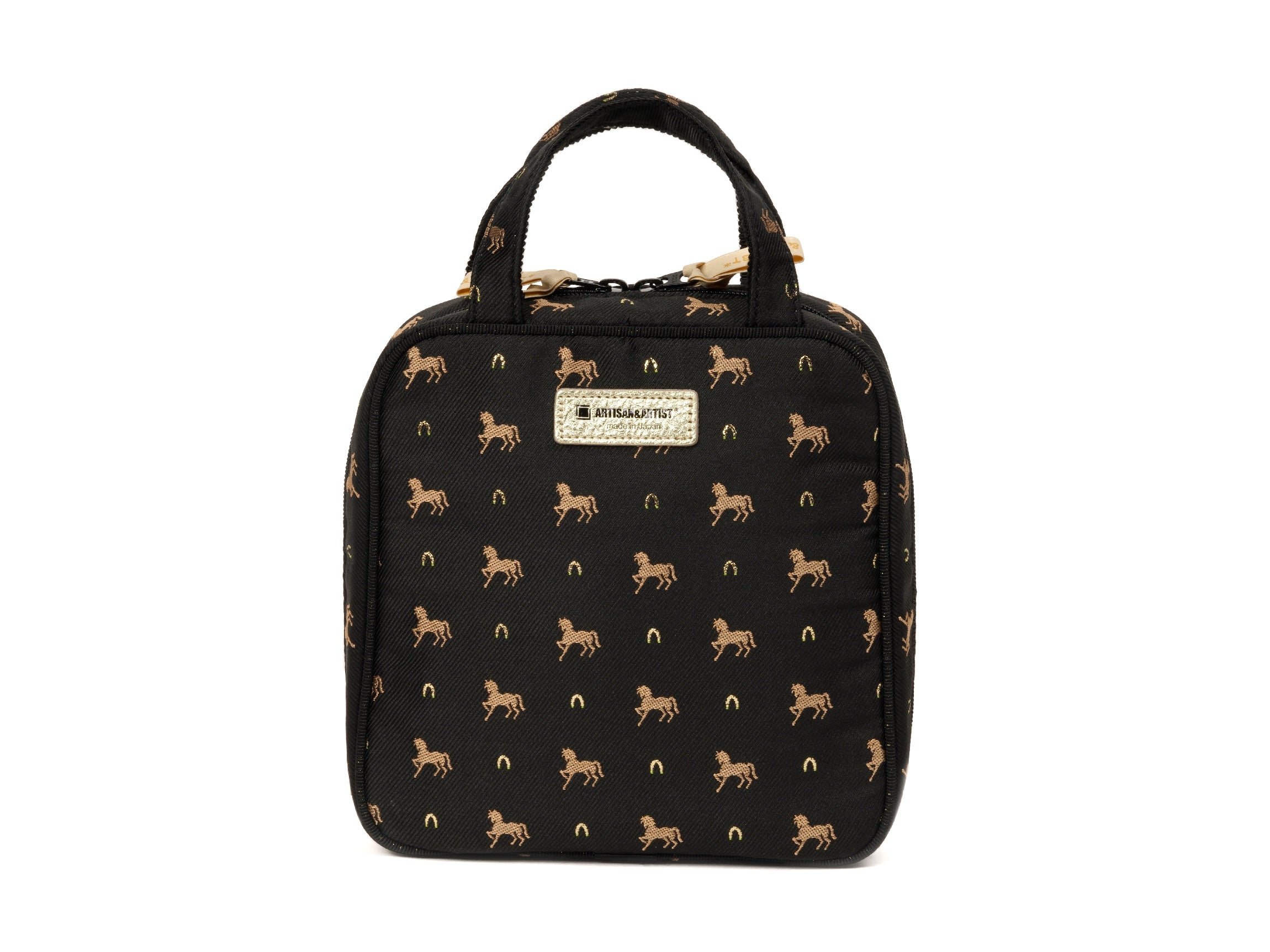
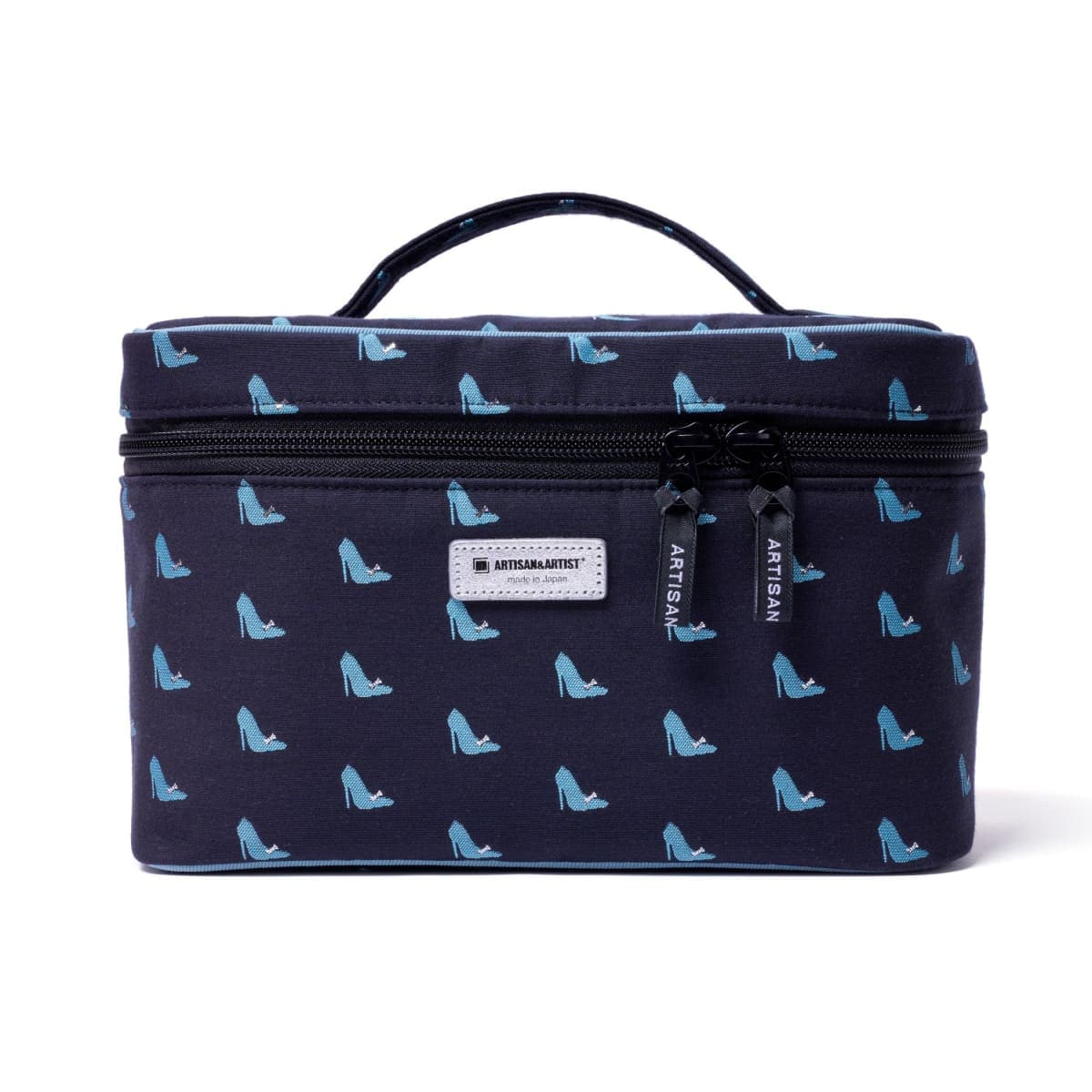
The Classic Monotone Large Slope Shape Makeup Bag (CM120) is built around a bag-in-bag structure, which is the feature that matters here. Smaller items live in their own separated sections rather than settling to the bottom, so retrieving the bride's lipstick does not mean excavating the vow book, the rings, and your own phone first. The slope-shaped opening holds itself open when unzipped, so you can see the contents in one look instead of feeling for them. It reads as a bag you chose rather than a kit you were assigned, which is the difference between setting it on a table at the reception and hiding it under a chair.
For the bride herself, or for a bridesmaid who travels constantly, our guide to gifts for travel lovers covers the same thinking applied to a smaller budget.