
Put the damp cloth down. The instinct on seeing foundation on a white collar is to rub it, and rubbing is what turns a mark the size of a fingerprint into a shadow the size of a palm. Pigment goes sideways into the weave, then downward into the fibers. Most advice on how to get makeup out of clothes starts with a product. This starts with what the product is made of, because that is what decides the method.
Two rules govern everything below. Never rub, only blot. And never put the garment in a dryer until the stain is fully gone, because heat sets pigment permanently.
Why makeup is harder to remove than food or dirt

Coffee is water-soluble. Mud is a solid sitting on the surface. Makeup is neither, and that is the whole problem.
Most complexion products are pigment suspended in oil, sometimes with silicone and wax added for wear time. The formula is engineered to stay put through humidity, movement, and a full day of skin oil. It does not care that it has landed on cotton instead of a cheekbone. Water alone runs straight past it, which is why rinsing under a tap accomplishes so little and why the panic sets in.
The useful mental shift is to treat the fabric the way you would treat your face. You do not remove waterproof mascara with water. You use an oil or a micellar formula, because like dissolves like. The same chemistry applies to a sleeve. Match the remover to the formulation, and the stain lifts. Guess, and you set it.
One more principle before the specifics. Work from the back of the fabric where you can, pushing the stain out the way it came in rather than driving it further through.
Foundation and concealer

This accounts for more of these accidents than everything else combined, and treatment depends on which formula you own.
Oil-based and long-wear formulas need a degreaser. A single drop of a plain degreasing dish soap worked gently into the mark with a fingertip, left for five minutes, then flushed with cool water from the reverse side, dissolves the oil carrier and lets the pigment release. Repeat rather than scrub. Two gentle rounds beat one aggressive one.
Water-based and sheer formulas often respond to micellar water on a cotton pad, blotting from the outside of the stain inward so the edges do not spread. If the mark survives, follow with the dish soap step.
Silicone-heavy formulas, the ones that feel slippery and claim transfer resistance, are the stubborn case. Give the dish soap longer, up to fifteen minutes, and expect to repeat. When the visible mark is gone, launder as usual and air dry. Check the fabric in daylight before it goes anywhere near heat.
Lipstick

Wax plus concentrated pigment makes this the hardest of the common stains, and it is also the one most likely to end up on someone else's shirt.
Lift any surface residue first with the edge of a spoon or a dull knife, scraping in one direction. Do not press. Then treat the wax with a solvent rather than a detergent: rubbing alcohol on a cotton pad, blotted, with a clean white cloth underneath to catch what transfers. Change the cloth position as it picks up color, because a saturated cloth returns pigment to the fabric.
Once the wax breaks down, the remaining pigment responds to dish soap and cool water. Long-wear liquid lipstick is more resistant again; alternate alcohol and soap in short rounds rather than extending either one.
Mascara and eyeliner

Regular mascara behaves like a water-based stain and usually surrenders to cool water and a degreasing dish soap.
Waterproof mascara does not, and the reason is identical to the reason it stays on your lashes through an emotional ceremony. It contains film-forming polymers and wax designed to repel water. Reach for an oil or a micellar remover, work it in gently, let it sit for a few minutes, then follow with dish soap to lift the oil you just introduced. Gel and pencil eyeliner respond to the same sequence.
Resist hot water throughout. Heat sets the polymer.
Pressed powder, blush, and eyeshadow

This is the counterintuitive one, and it is where most garments are lost.
Do not wet powder. Loose pigment sitting on the surface of a fabric is not yet a stain; it is dust. Adding water turns it into a paste and drives it into the weave, at which point it becomes a genuine problem.
Lift it dry instead. Tip the garment away from you and tap the back of the fabric so gravity does the work. Follow with the sticky side of tape pressed and pulled straight up, never dragged. A vacuum nozzle held slightly above the fabric works well on a larger spill. Only once the visible powder is gone should you treat whatever faint shadow remains as an oil-and-pigment stain, using the dish soap method.
When the fabric complicates it

Getting makeup out of a white shirt is mostly a question of patience rather than technique. White cotton tolerates repeated gentle rounds, and repetition is what works. Once the mark is gone, an enzyme laundry detergent and a cool wash will handle the residual haze. Avoid chlorine bleach on foundation stains, because it can react with pigment and leave a yellow cast that is worse than the original mark.
Silk, wool, and anything with acetate or a bonded finish should not meet dish soap, alcohol, or vigorous handling. Blot away what will lift with a dry cloth, resist every other impulse, and take the garment to a cleaner within a day or two. Tell them what the stain is. A cleaner treating an unknown mark guesses, but a cleaner told it is silicone-based foundation does not!
Dry-clean-only labels are instructions, not suggestions. Structured tailoring in particular can distort when spot-treated at home.
Carpet and upholstery

The principle for getting makeup out of carpet is the same, with one addition: the stain has depth, so containment comes first.
Lift what is loose, dry, before anything else. Then work with as little liquid as the job allows, blotting with a white cloth and moving to a clean section each time. A solution of a few drops of dish soap in cool water, applied to the cloth rather than poured onto the carpet, prevents the liquid from carrying pigment down into the backing where it will wick back up as it dries.
Finish by blotting with plain water on a fresh cloth to remove the soap, then press dry with a towel weighted flat. On upholstery, check the manufacturer's cleaning code first, because some fabrics are solvent-only and water will leave a ring larger than the stain.
What not to do

Hot water. It sets pigment and polymer alike, on every stain type discussed here.
Bar soap. It leaves a residue that traps the pigment it was meant to release.
Scrubbing, brushing, or working the fabric between your knuckles. All three spread the mark and abrade the surface, which shows in daylight long after the stain has gone.
The dryer, before you are certain. Check the damp fabric in natural light rather than bathroom light, because a faint shadow that survives one cycle is usually permanent.
Preventing the next one

While accidents do happen while makeup is being applied, many do in transit, too. A cap works loose in a bag, a compact cracks under the weight of everything stacked on it, or a used brush may brush against a folded blouse, transferring a little pigment without anyone realizing. If that doesn’t cause a mark on your clothes, you might notice something once you open your makeup.
The common cause is that the products are lying down. A foundation bottle stored flat pools product against the cap, and pressure plus movement does the rest. A compact stored on its edge under weight is a compact waiting to shatter. Neither is a laundry problem. Both are storage problems, and storage is something you can decide once rather than manage repeatedly.
That is the more useful definition of care. It is not the ten minutes of rescue work after a spill; it is the arrangement that made the spill unlikely. The same logic governs how to store makeup properly at home, and it applies with more force to anything that moves.
Frequently asked questions
Does foundation stain clothes permanently?
Rarely, if it is treated before heat reaches it. Foundation is oil and pigment, and both respond to a degreasing dish soap and cool water. What makes a foundation stain permanent is a tumble dryer cycle, chlorine bleach on a colored fabric, or vigorous rubbing that pushes pigment deep into the weave.
What removes makeup from clothes fast?
For most complexion products, a single drop of degreasing dish soap worked in gently, left for five minutes, then flushed with cool water from the reverse side. For waterproof mascara and long-wear lipstick, an oil-based or micellar remover first, then the dish soap to lift the oil.
Will dish soap remove makeup from clothes?
Yes, for anything oil-based, which covers most foundation, concealer, cream blush, and lipstick residue. Dish soap is formulated to break down grease, and the oil carrier is what binds pigment to fabric. It is less effective on dry powder, which should be lifted away dry before any liquid is applied.
Can you still get makeup out of clothes after they've been through the dryer?
Sometimes, though the odds drop sharply. Try an extended soak in cool water with an enzyme laundry detergent, up to several hours, followed by the dish soap treatment. Repeat rather than escalate. If two full rounds make no difference, a professional cleaner is the remaining option.
The Artisan Upgrade
Once you know that leaks come from bottles lying flat, the container stops being a matter of taste. It becomes the fix.

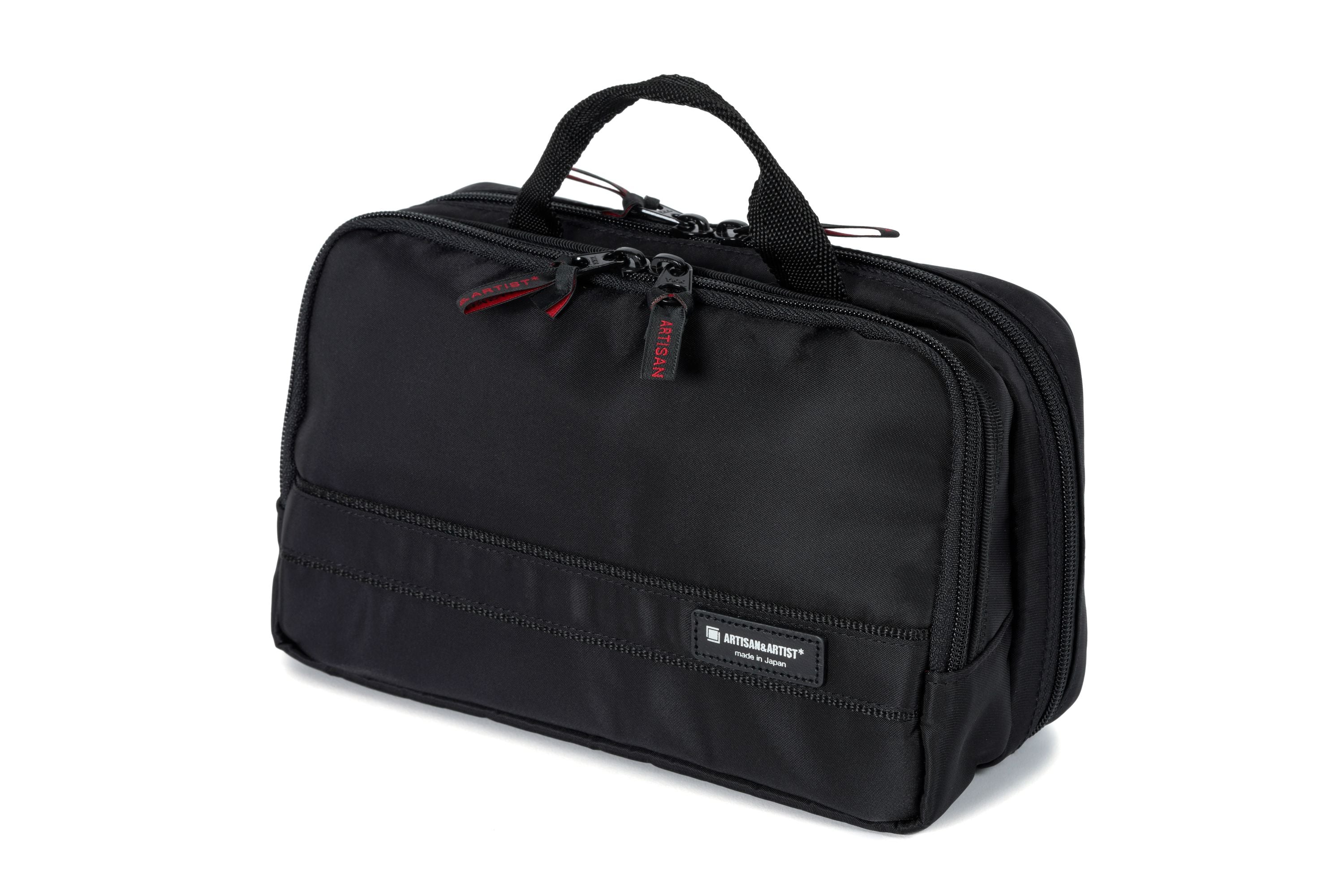
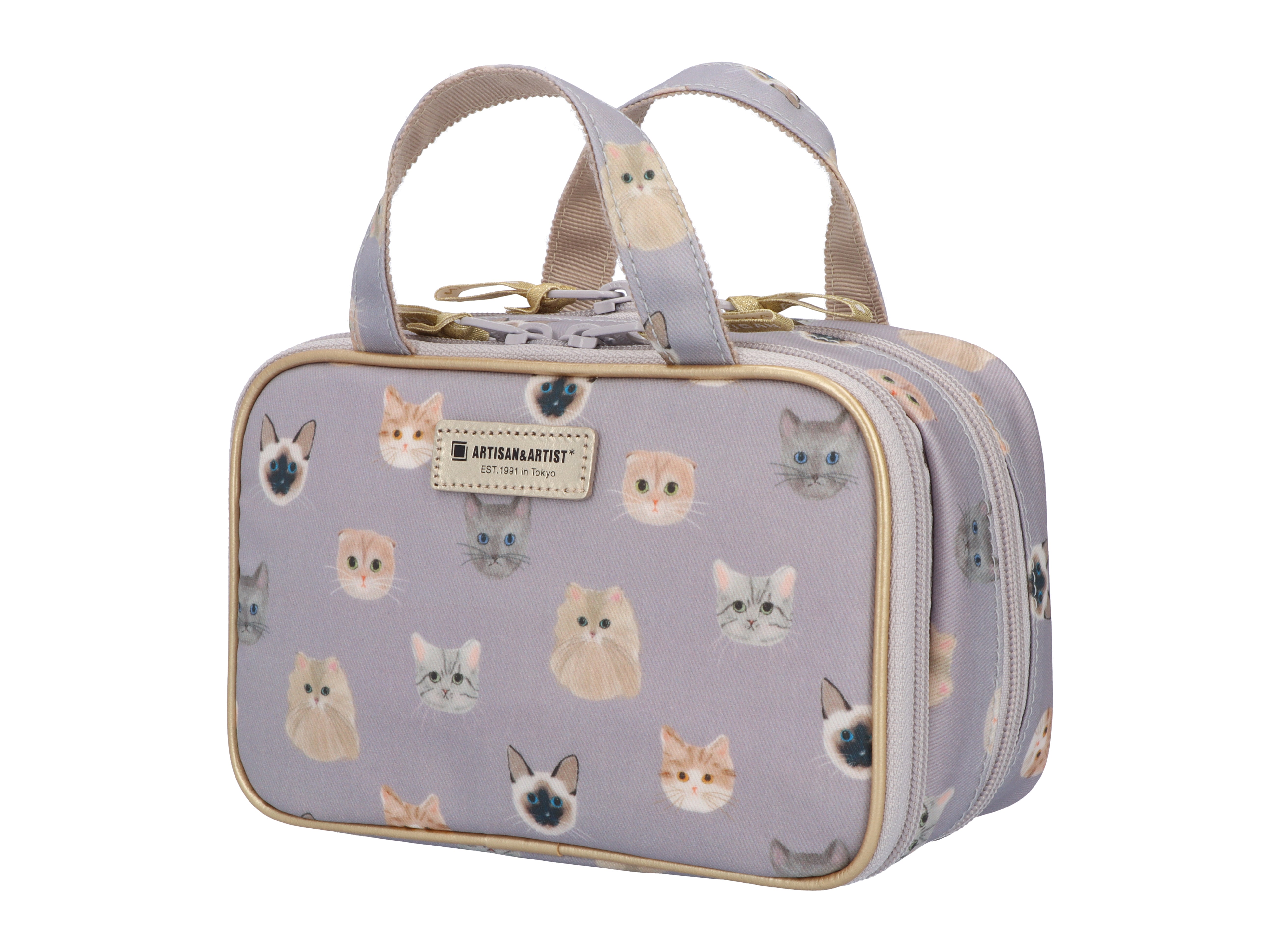
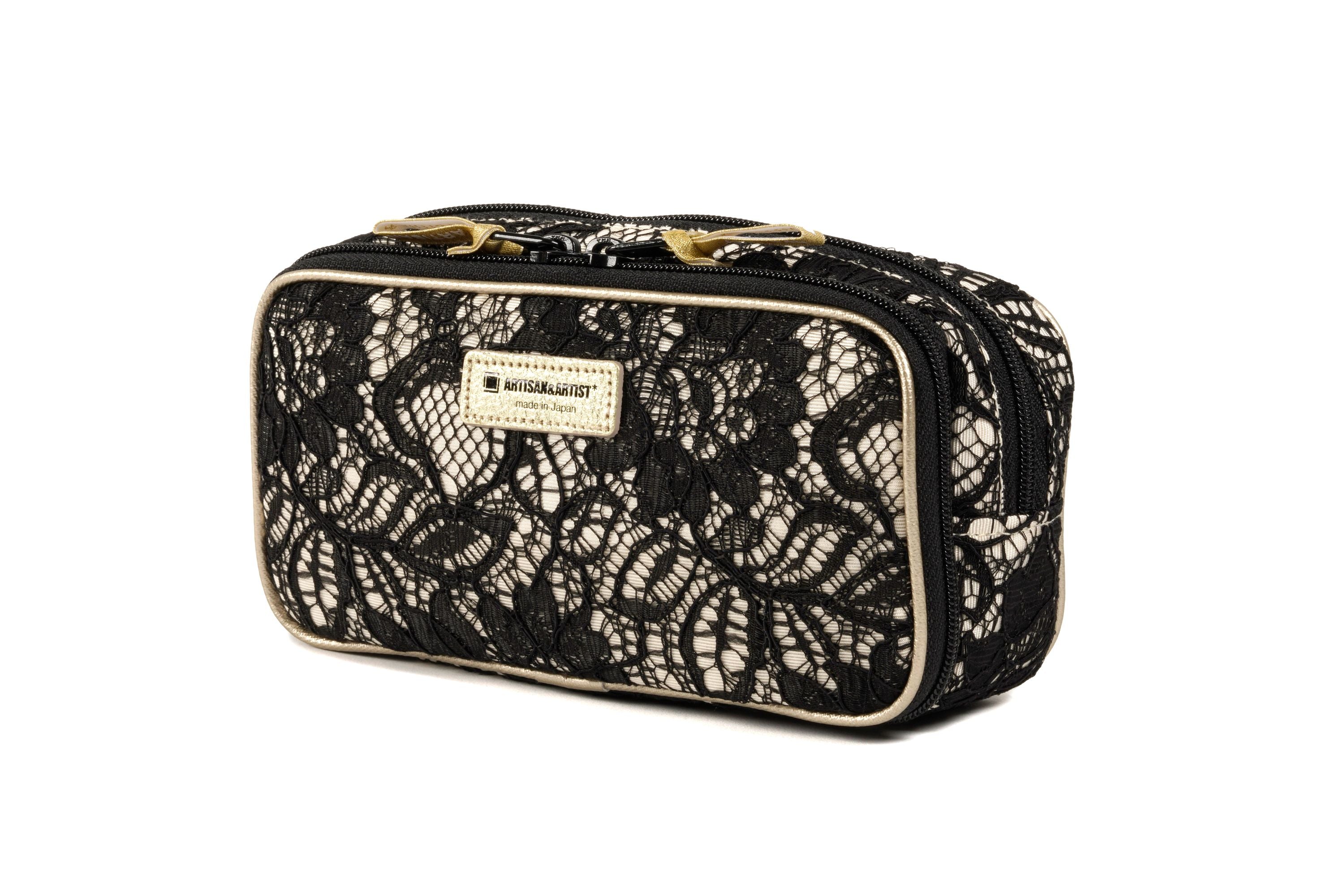
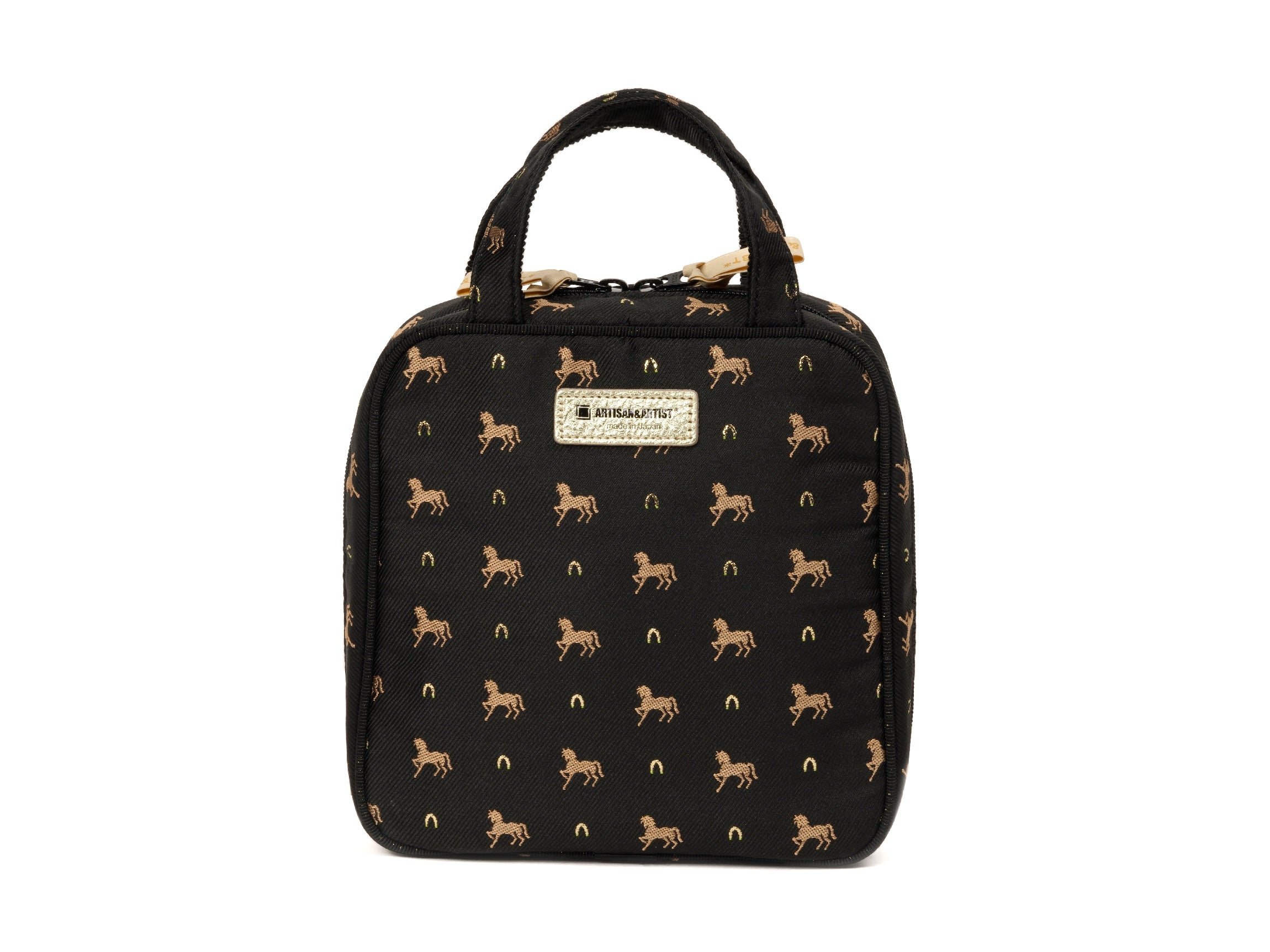
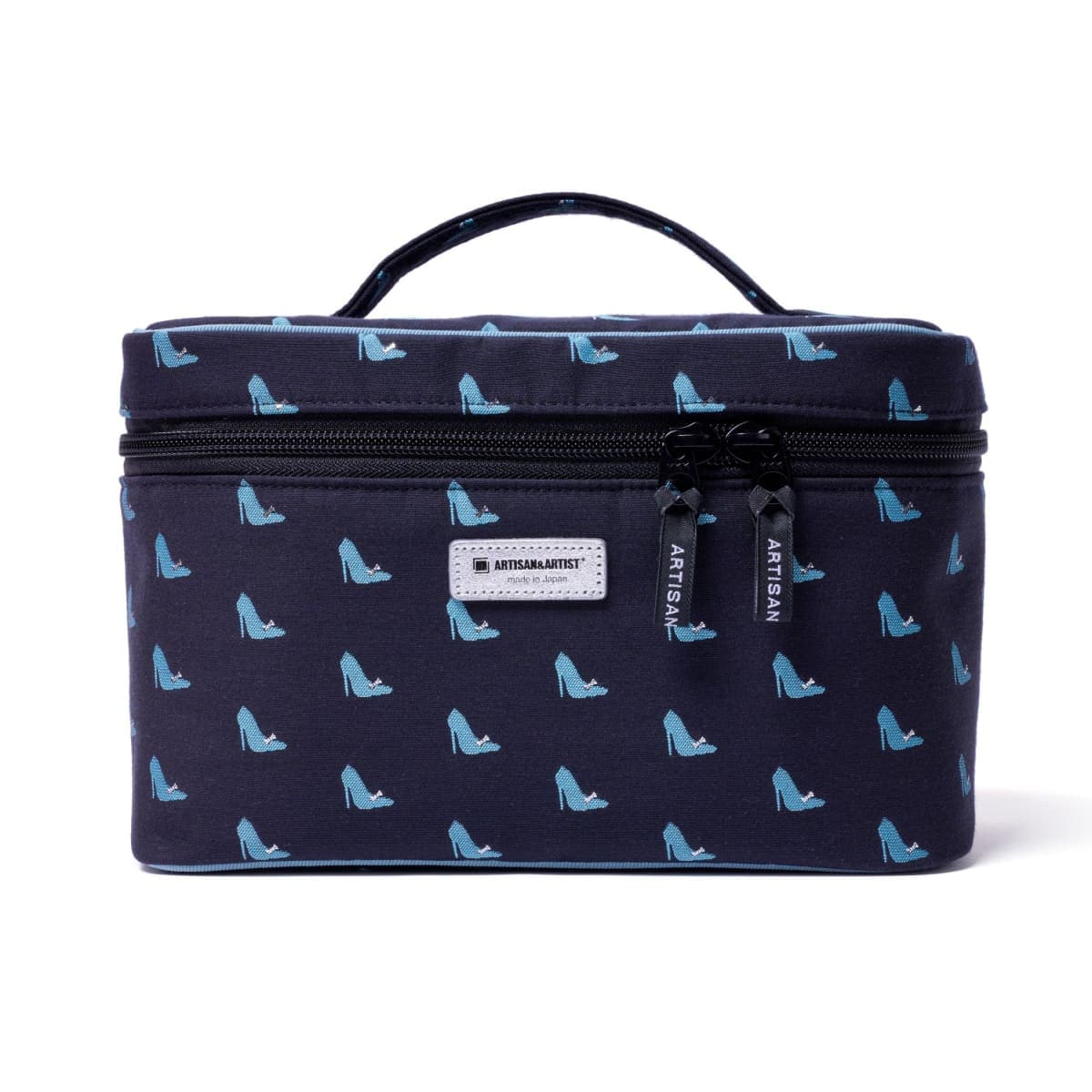
The Wish of a Night Medium Specialist Makeup Pouch (SH616) is box-shaped rather than soft, at 7.5 × 3.5 × 2.4 inches (190 × 90 × 60 mm), and its holder section is built to stand foundation bottles, serums, and slim palettes upright. A bottle that stands up does not pool product against its cap, and a cap that stays sealed does not transfer to whatever is packed beside it. The outer fabric carries a water-repellent finish, which matters on the day something does escape, though it is the outer shell that is treated rather than the nylon lining. In midnight navy, the interior is also forgiving of the exact accident under discussion.
If your current arrangement is one large pouch holding everything at once, our guide to why the right makeup bag organizer changes everything covers the structural reasoning in more depth. For the highest-stakes version of this problem, a stain on a wedding morning, the wedding day emergency kit checklist has the field repair.