

Every brush in a makeup collection is doing two jobs at once. It applies product, and it collects everything that product leaves behind: oil, dead skin cells, residual pigment, and whatever settled into the bristles the last time they touched a counter or the bottom of a bag. Skip the cleaning long enough and that buildup stops being incidental. It transfers back onto the skin with every use, dulls how the product applies, and quietly shortens the working life of a brush that was not inexpensive to begin with.
Cleaning a brush properly takes about two minutes, and the method that protects the bristles is simpler than most people assume. The part that trips people up is not the washing. It is the drying and the storing that happens afterward.
Why Clean Brushes Matter More Than People Think

A dirty brush works against the skin it is meant to care for. Bacteria and trapped oil applied daily to the face are a documented contributor to clogged pores and breakouts, particularly along the jaw and cheeks where foundation and powder brushes make the most contact. Buildup also changes how a brush performs: bristles clumped with old product apply unevenly and lay down more product than intended, because they can no longer hold and release it the way clean fibers do.
There is a lifespan cost, too. Product that dries into the base of the bristles, at the ferrule, stiffens the fibers and eventually works at the glue holding them in place. A brush cleaned properly and regularly will outlast one that is not by years.
How Often You Actually Need to Do It
Not every brush needs the same attention. Eye brushes touch product in thin layers near a sensitive area, so they benefit from a weekly wash. Foundation and powder brushes carry heavier product loads over more surface area, so every one to two weeks is the working standard.
| Brush type | Recommended cleaning frequency |
|---|---|
| Eye brushes (shadow, blending, liner) | Weekly |
| Foundation and concealer brushes | Every 1–2 weeks |
| Powder and bronzer brushes | Every 1–2 weeks |
| Brushes used with cream or liquid product | Weekly, or after each use if shared |
A brush used daily on liquid product needs more frequent attention than one reserved for setting powder once a week.
What to Clean Them With

A gentle cleanser is the standard choice: a mild, sulfate-free soap or a dedicated brush shampoo formulated to lift oil and pigment without stripping the natural oils that keep bristles soft. For brushes carrying heavy foundation buildup, a single drop of a degreasing dish soap worked gently through the bristles cuts through what a standard cleanser leaves behind. For a lighter refresh between full washes, micellar water on a folded paper towel lifts surface product without wetting the brush at all.
What to avoid matters just as much. Harsh bar soap and anything with a high alcohol content will dry out natural bristles over time, making them brittle and prone to shedding. And regardless of what cleanser is used, keep water and product away from the ferrule, the metal band that holds the bristles to the handle. That is where the glue lives, and repeated soaking is what loosens it.
How to Deep Clean, Step by Step

- Wet the bristles under lukewarm running water, tilting the brush so water runs away from the ferrule rather than into it.
- Place a small amount of cleanser in your palm and swirl the brush gently in circular motions, working product through the bristles without pressing the base into your hand.
- Rinse under lukewarm water, angling the brush downward, until the water runs clear.
- Squeeze excess water gently between a clean towel, reshaping the brush head as you go.
- Repeat the swirl-and-rinse for brushes with heavy buildup, particularly foundation brushes.
The whole process, once familiar, takes under two minutes per brush.
A Faster Clean Between Deep Washes
Daily brush users do not need a full wash every day. A quick spot clean with micellar water or a brush cleaner spray on a paper towel, swirled for a few seconds, removes surface product and keeps a brush usable between deeper washes. This is especially useful for anyone switching between cream products in one routine, where a fast wipe prevents color transfer without a full rinse and dry cycle.
How to Dry Them Without Ruining the Shape

Drying is where most brush damage actually happens, more often than the washing itself. Reshape the bristles while they are still damp, coaxing them back into their original taper or dome. Then lay the brush flat on a towel with the bristle end overhanging the edge of a counter or shelf, so air can circulate underneath.
Never dry a brush standing upright in a cup. Gravity pulls water down through the bristles and into the ferrule, where it can loosen the glue and, over time, cause the handle's finish to swell or crack. Flat drying takes longer but protects the brush at exactly the point where damage tends to start.
How to Store and Carry Them

A brush that has just been washed and dried properly can undo all of that care in the way it is kept afterward. Dust settles into loose bristles left in a drawer. Humidity in a bathroom cabinet invites the same bacteria a clean brush was just rinsed of. And brushes packed loose for a trip, the scenario covered in How to Pack a Makeup Bag in a Carry-On and Flying With Makeup? TSA & Packing, splay, shed, and pick up whatever else is riding alongside them.
The simplest fix is a dedicated, covered home. Some Artisan & Artist pouches include pockets built specifically to hold brushes upright and separated from the rest of a kit, and certain models, including the slope-shape 110H pouch and the brand's vanity-style makeup bags, add a clear vinyl cover over the brush holders that keeps bristles protected and visibly hygienic between uses. More on the full storage and shelf-life picture lives in How to Store Makeup Properly.
When to Replace a Brush
Good care extends a brush's life, but it does not make it permanent. Watch for three signals: bristles shedding steadily rather than the occasional stray hair, a head that has splayed outward and will not hold its shape even after reshaping, and a ferrule loose enough to wobble against the handle. Any one of these means cleaning alone can no longer correct the brush's performance or its hygiene.
Common Mistakes
A few habits undo good intentions faster than anything else:
- Soaking the entire brush, handle included, rather than just the bristle head
- Using hot water, which breaks down the glue at the ferrule over repeated washes
- Drying upright in a cup instead of flat
- Using a hairdryer on high heat to speed up drying, which warps synthetic bristles
- Putting a brush away, or into a bag, before it is completely dry
Each is a small shortcut in the moment. Repeated over months, they are the difference between a brush that lasts years and one replaced every few.
A clean brush is a small, recurring act of care, not a chore to get through. It is the same instinct behind choosing a well-made pouch over a disposable one: maintaining what you already own, properly, so it keeps performing the way it did when it was new. Precision in the small routines tends to show up in the larger ones too.
Frequently Asked Questions
What can you use to clean makeup brushes? A gentle, sulfate-free cleanser or dedicated brush shampoo. A drop of degreasing dish soap helps with heavy foundation buildup, and micellar water works well for a quick refresh between full washes.
How often should you clean your makeup brushes? Eye brushes weekly. Foundation, concealer, and powder brushes every one to two weeks, more often if used daily with liquid product.
Can you clean makeup brushes with dish soap or micellar water? Yes, with limits. Dish soap is effective on heavy buildup but should not become the everyday cleanser, as it can be drying with repeated use. Micellar water suits frequent spot cleaning but does not replace a periodic deep clean.
How do you dry makeup brushes without ruining them? Reshape the bristles while damp, then lay the brush flat with the bristle end overhanging the edge of a towel so air reaches all sides. Never dry a brush standing upright, since water can travel into the ferrule and loosen the glue.
The Artisan Upgrade
A freshly cleaned brush is only as good as where it lives afterward. Loose in a drawer, it collects dust. Jammed into a bag with everything else, it splays or sheds. Stood upright in an open cup, it gathers the same airborne grime a wash just removed. The answer is a dedicated, covered home for the bristles, and two pieces from the Artisan & Artist collection are built around that idea.

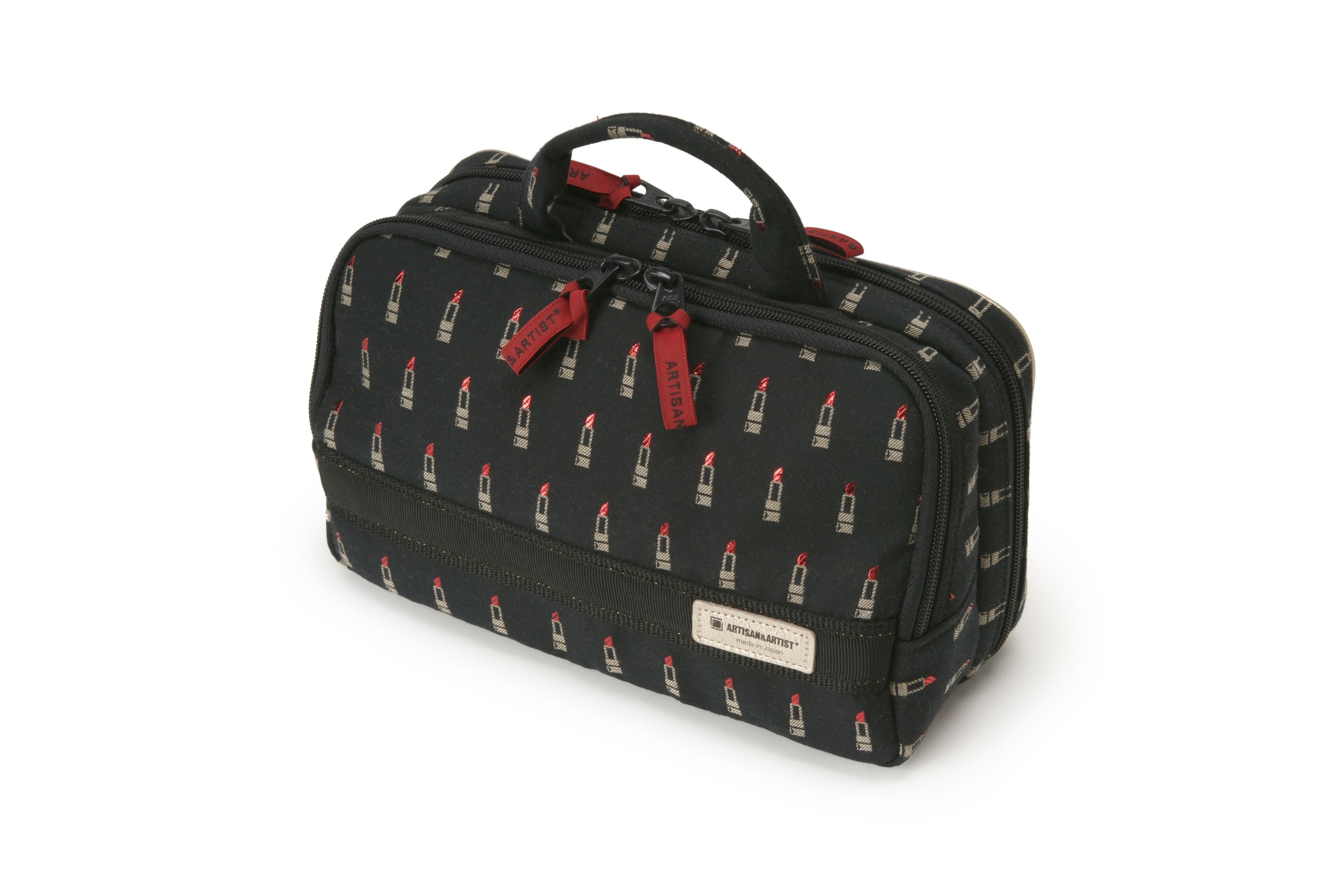
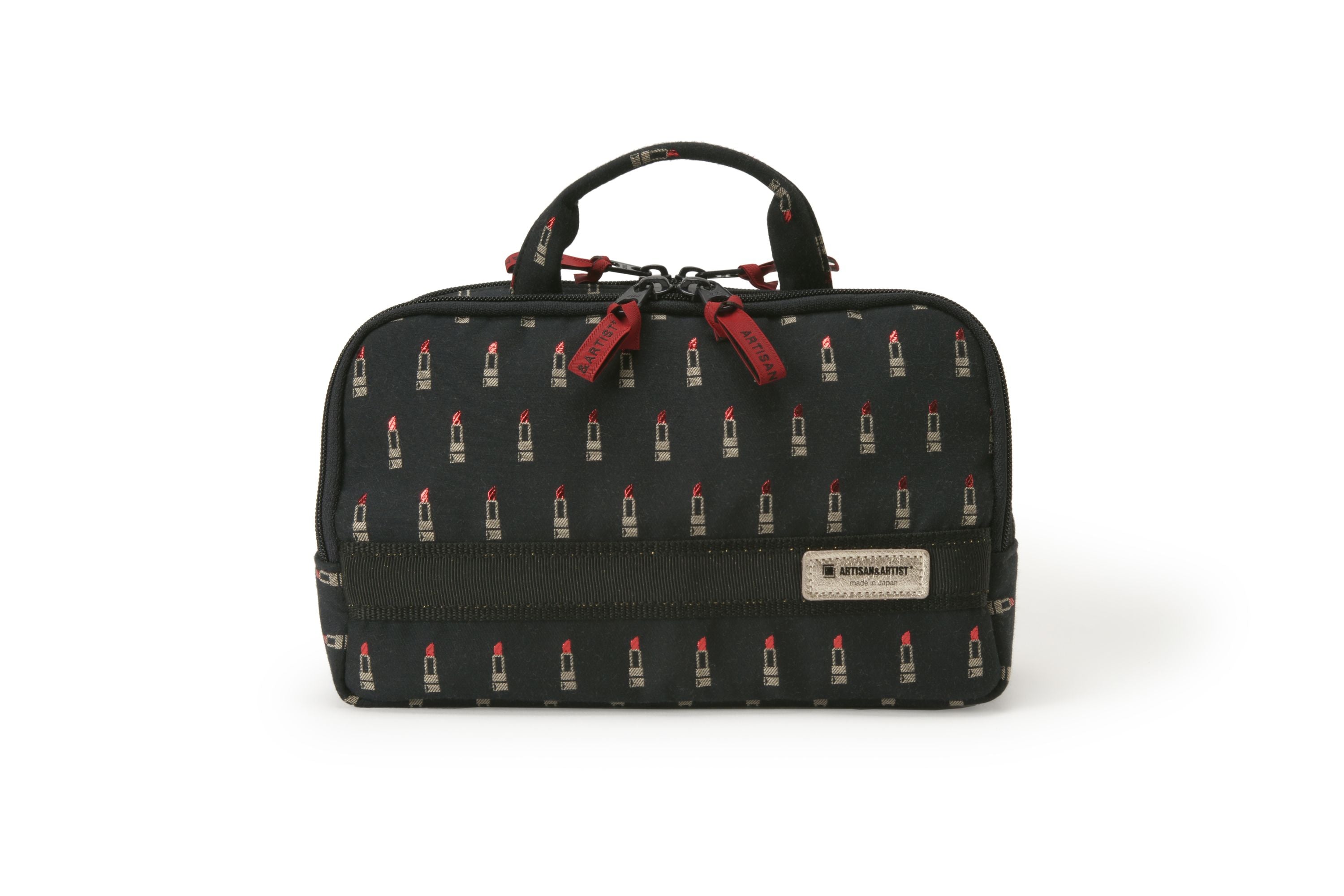
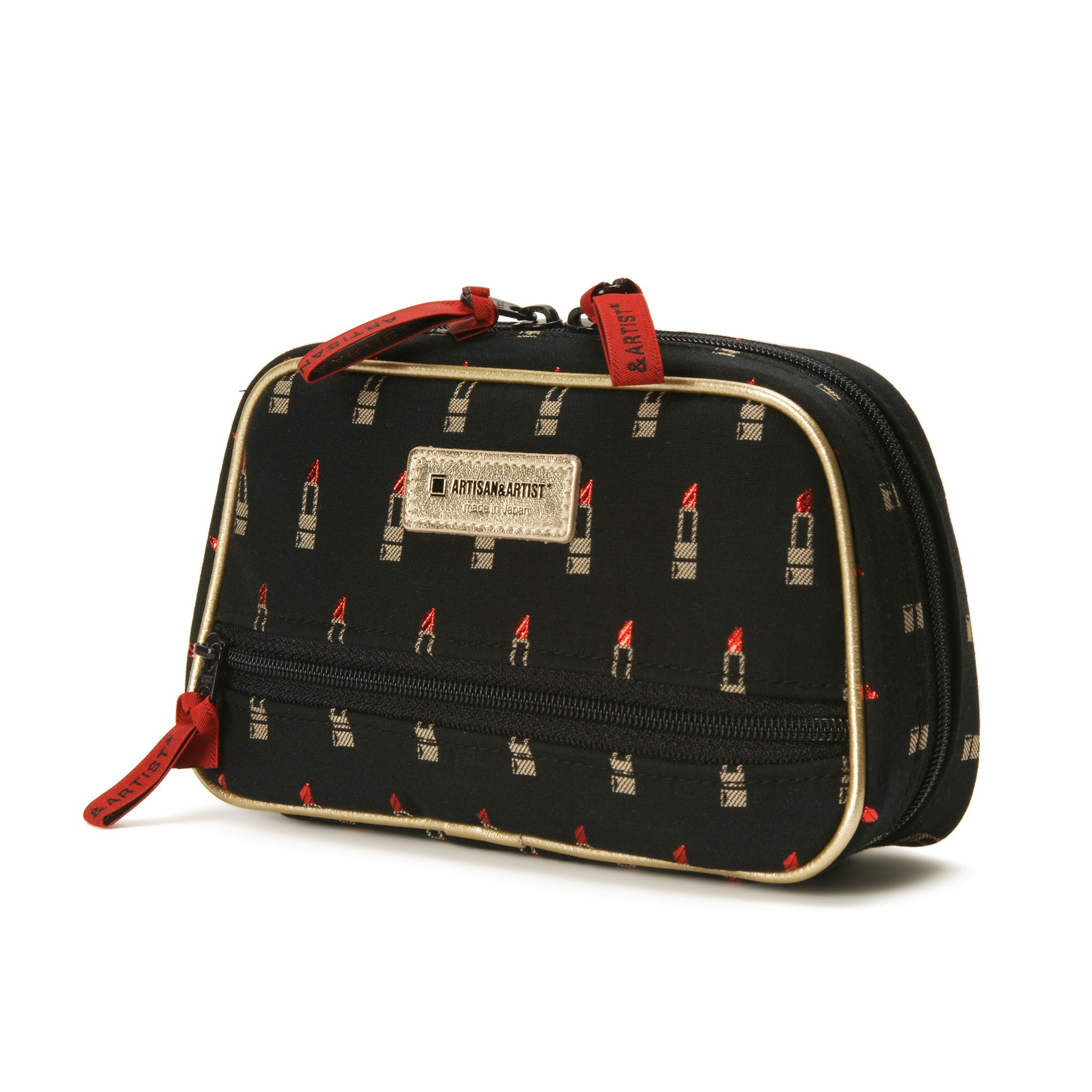
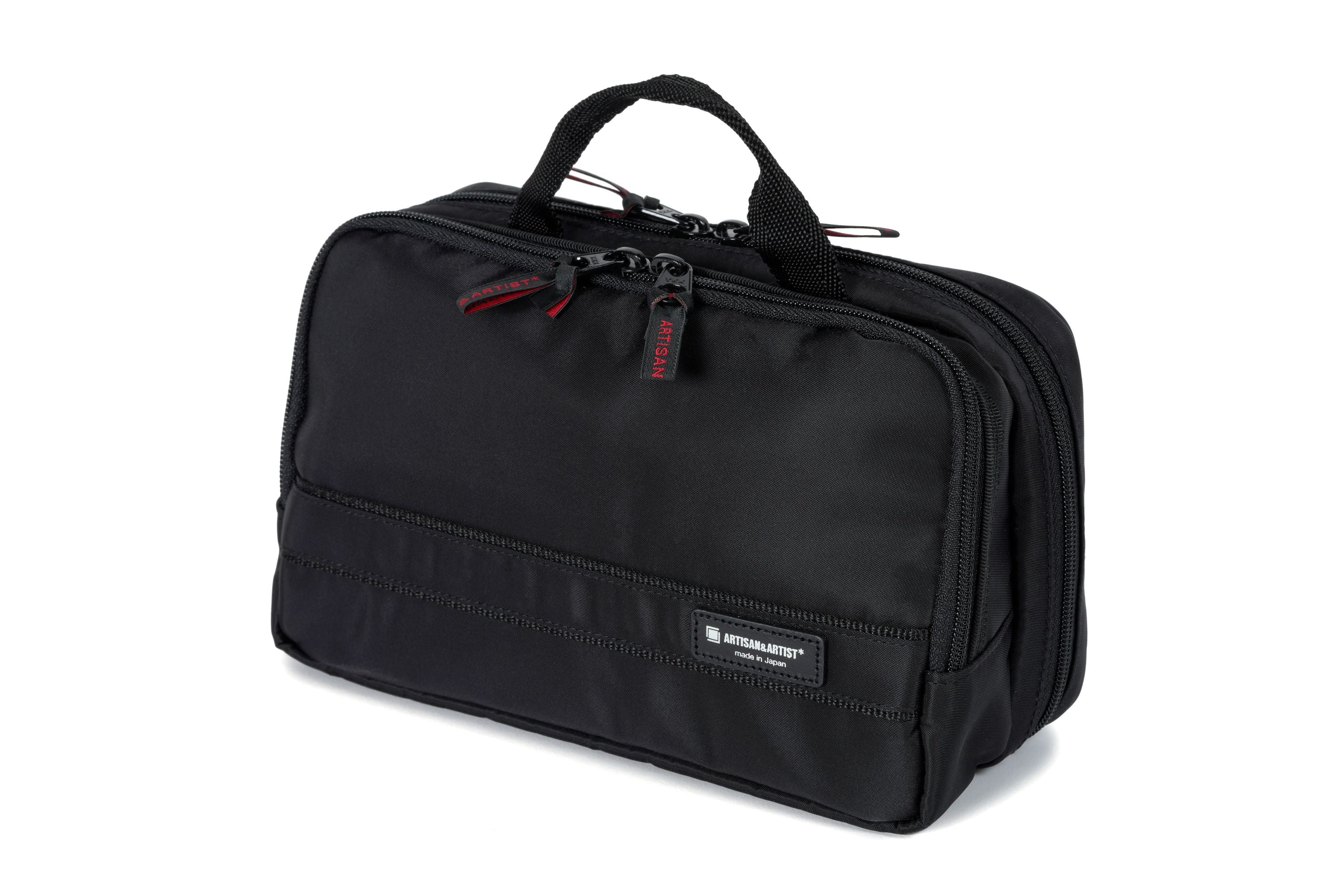
The Valiant Rouge Slope Shape Makeup Pouch (LI110H) is the everyday and travel answer. Two brush holders sit at the front, each with an elastic opening, and a vinyl base and flap are included to protect the delicate bristles and maintain hygiene between uses. The slope-shape front folds down when unzipped, so brushes stay visible and reachable without tipping the rest of the pouch out. A cleaned brush stays covered, dust-free, and separated from everything else riding in the bag.

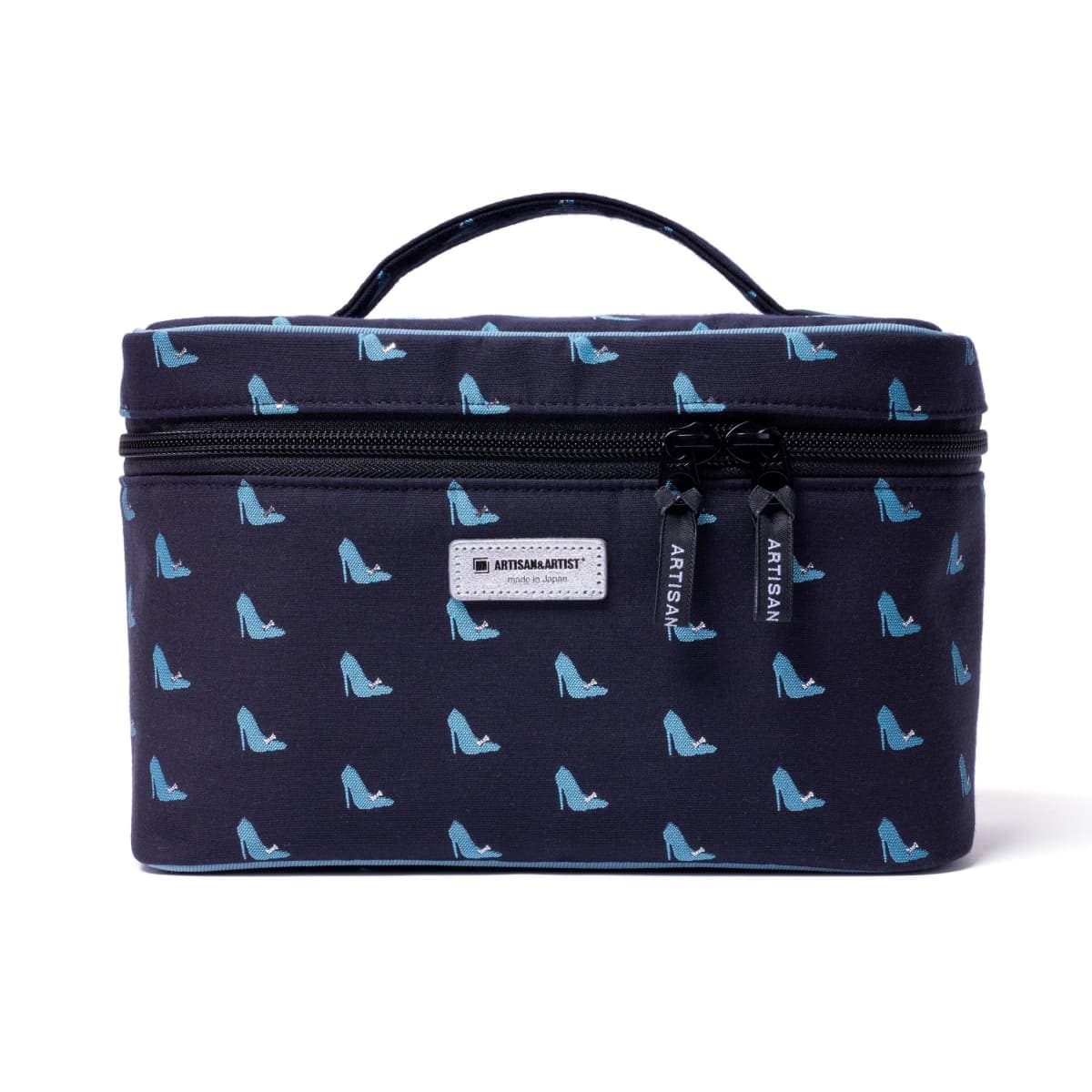
For a full collection kept at home, the Isola Large Vanity Makeup Bag (IO23) takes the same idea further. Five brush holders line the inside of the lid, sized for brushes as well as pen-style items like mascara wands, and a vinyl brush cover prevents loose powder from spilling while protecting the bristles beneath it. Between the two, they cover the daily kit and the full collection, and both reflect the same principle: craftsmanship that anticipates how something will actually be used, not only how it looks on a shelf.
Clean brushes stay clean when they have a proper, covered place to live. That is the quiet, ongoing work of good tools.